
When I meet patients in the clinic, many say, “My finger catches a little, but I’m not sure if it’s serious enough to need treatment.” Indeed, trigger finger syndrome often starts with just a simple stiffness or catching sensation in its early stages, so many people don’t recognize it as a condition and overlook it.
However, these symptoms often begin with increased friction and inflammation between the finger tendon and its sheath. If symptoms recur, the tunnel through which the tendon passes can gradually narrow, making finger movement increasingly unnatural. Therefore, recognizing and identifying early symptoms is paramount.
In today’s post, we will explain the main symptoms of trigger finger, its progression stages, and self-check methods you can use to identify it.

Hello, from the place where kind hearts reside, This is Sunyujae Korean Medicine Clinic. If you meet 3 or more of the following self-check items for trigger finger, you may suspect trigger finger.
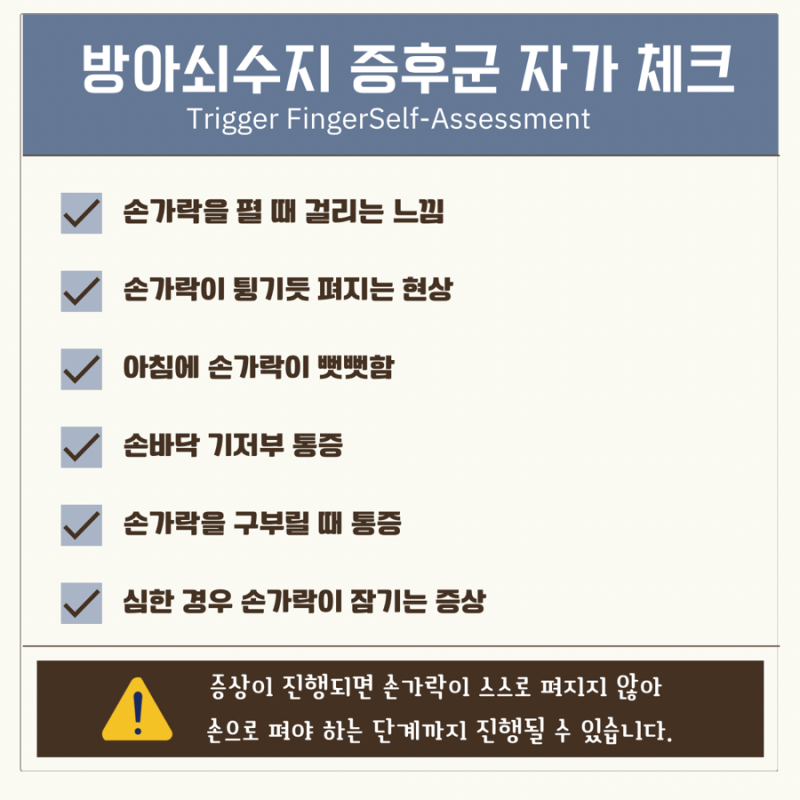
Trigger finger symptoms are often more pronounced, especially in the morning. This is because the fingers are barely moved during the night, leading to swelling in the tissues around the tendon, and when the finger is first moved in the morning, the tendon catches as it passes through the sheath. Additionally, tenderness or a small nodule may be felt at the junction of the palm and finger.
This is known as a change that occurs as the tendon thickens due to repetitive friction. Trigger Finger Progression Stages Trigger finger is sometimes classified into stages according to the severity of symptoms using a standard called the Quinnell Grade. As trigger finger progresses, treatment can become more difficult, making early diagnosis and treatment crucial.
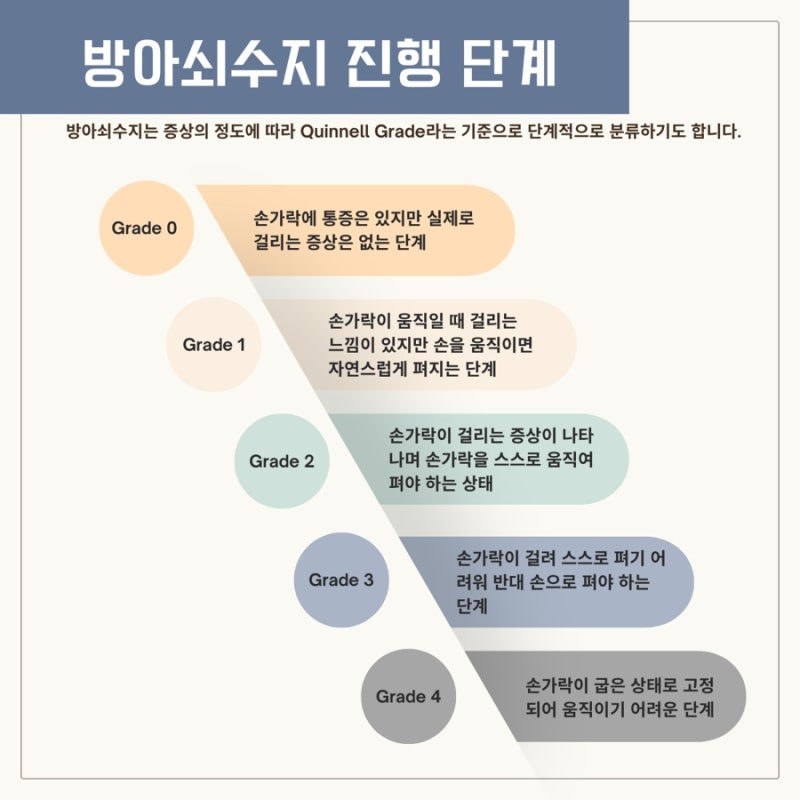
In particular, if it progresses to Grade 3 or higher, there is a high possibility of severe tendon thickening and pulley stenosis, and restricted finger movement may also occur. Progression of Trigger Finger at Sunyujae Korean Medicine Clinic As trigger finger progresses, treatment can become more difficult, making early diagnosis and treatment crucial.
Trigger finger initially presents with finger stiffness in the morning. It starts with a degree of stiffness. However, if left untreated, it can lead to finger locking, worsening pain, and limited hand function. Many cases improve without surgery if treated early.
In the early stages, inflammation and swelling around the tendon are the main causes, but over time, as the tendon thickens and the sheath narrows, mechanical stenosis can become more pronounced. Fingers are the most used joints. Suji-gu Korean Medicine Clinic. Fingers are the most used joints in daily life. Movements such as holding a cup, writing, and using a smartphone are repeated thousands of times a day.
This repetitive use can place continuous strain on the finger tendons and sheaths. Activities that involve repeating the same motion, such as smartphone use or keyboard work, can particularly increase friction on the finger tendons, raising the risk of trigger finger. Even small stretches and slight adjustments to hand-use habits can reduce the burden on finger joints and tendons.
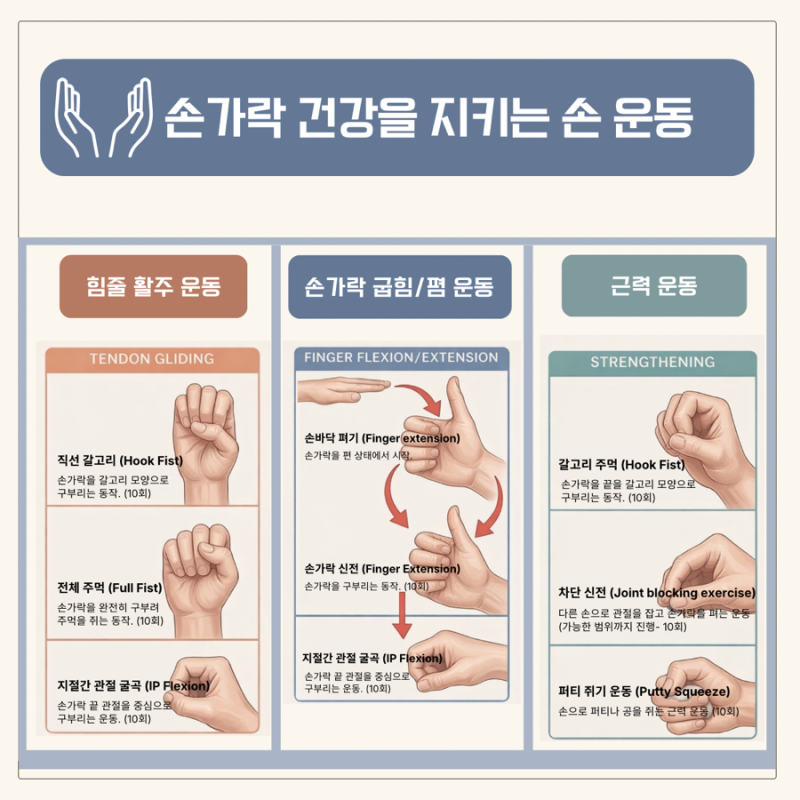
Incorporating simple hand exercises into your daily routine can also help maintain smooth movement of your finger tendons. Hand exercises for finger health: “These exercises can improve the gliding of the finger flexor tendons (FDS, FDP) and maintain joint range of motion, aiding in the functional recovery of trigger finger patients.” The flexor tendons are the main tendons that bend the fingers, and for natural finger movement, these tendons must move smoothly within the sheath.
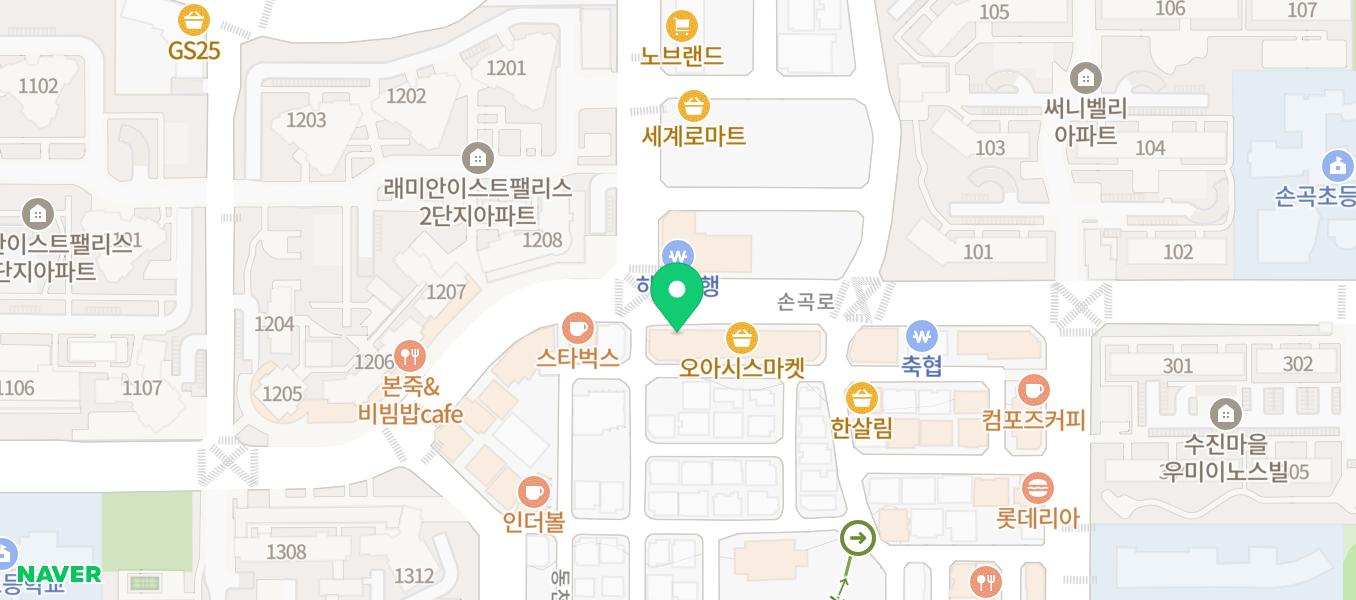
Light stretching and exercise can help improve tendon gliding and relieve tension in surrounding tissues. However, if the pain is severe or your finger frequently locks, it is important to seek an accurate diagnosis from a specialist rather than trying to resolve it with self-exercises alone. Suji-gu Dongcheon-dong Sunyujae Korean Medicine Clinic. At Sunyujae Korean Medicine Clinic in Dongcheon-dong, Suji-gu, we utilize musculoskeletal ultrasound to examine the tendons and pulley structures and
we collaboratively determine the most suitable treatment plan for each patient’s condition. If your finger frequently catches or you experience persistent morning stiffness in your fingers, please consult us to have your condition checked.
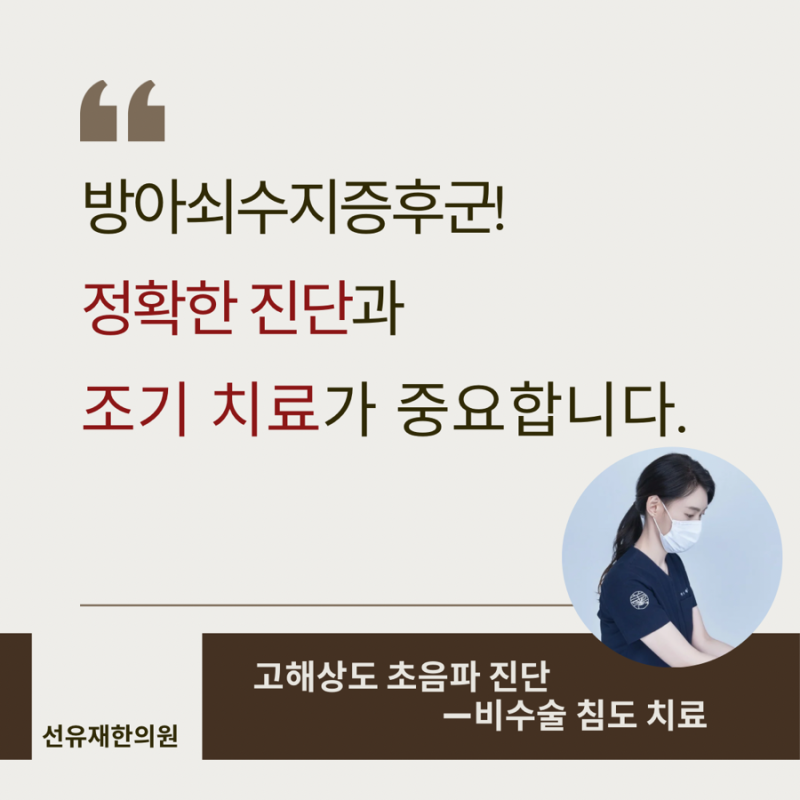
We hope you will join Sunyujae Korean Medicine Clinic, where we share valuable information for a healthy life. Sunyujae Korean Medicine Clinic in Suji-gu pursues evidence-based medicine and integrative medicine.
This post was written directly by the medical staff of Sunyujae Korean Medicine Clinic to provide medical information, in compliance with Article 56(2) and Article 57(3) of the Medical Service Act. The duration and outcome of treatment may vary from person to person, so please consult a qualified practitioner before beginning treatment.
Consultation & Booking
Have questions? Reach us anytime via KakaoTalk or phone.