
Trigger finger often begins with a slight stiffness in the finger. However, over time, it can lead to a catching sensation, pain, and in severe cases, finger locking. Therefore, it is important to assess the current condition and choose an appropriate treatment method.
In today’s post, we will explain the non-surgical acupotomy treatment and the Korean medicine complex treatment approach for trigger finger.

Non-surgical Acupotomy Treatment “Don’t miss the small signals your finger sends.” Non-surgical treatment is a therapy that helps the tendon move more naturally by relieving tension and adhesion in the tissues around the tendon without incisional surgery. Trigger finger often occurs when the pathway through which the flexor tendon, which moves the finger, narrows.
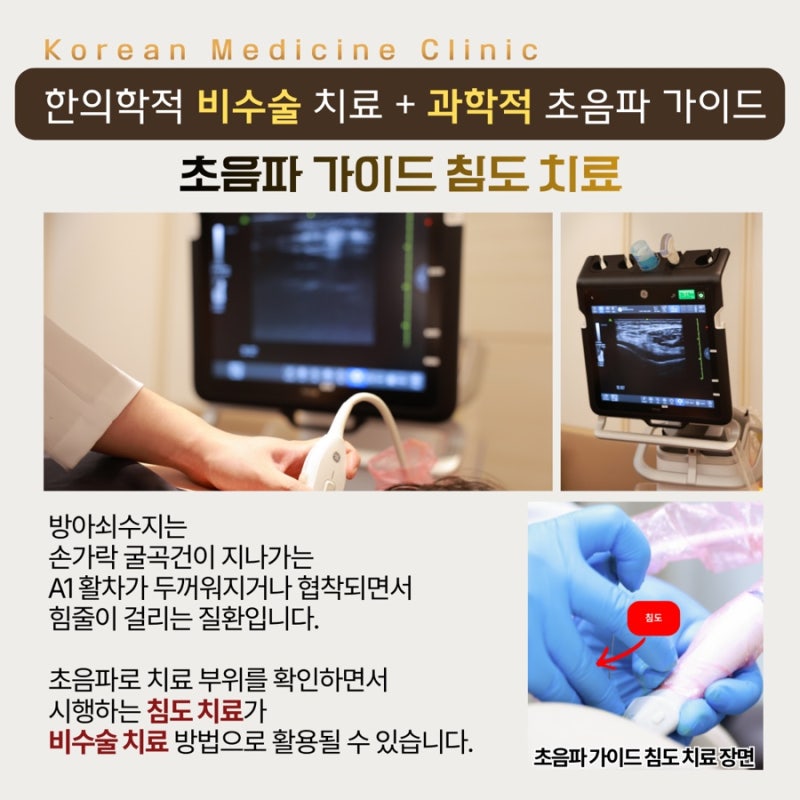
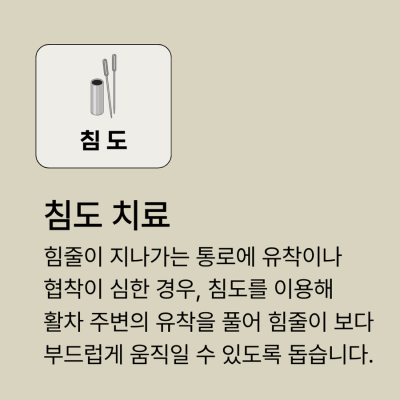
Especially where the palm meets the finger, if the A1 pulley in that area thickens or becomes stenosed, a catching phenomenon may occur when the tendon passes through. In such cases, one of the non-surgical treatments that can be performed is acupotomy. Acupotomy is a treatment that uses a special flat-shaped needle to delicately dissect adherent tissues around the tendon or thickened tissues around the A1 pulley, thereby improving tendon gliding and helping the finger move more smoothly.
Clinically, an important goal of treatment is to relieve stenosis in the A1 pulley area where the flexor tendon passes and to improve tendon gliding. It can also help relieve tension in the soft tissues around the tendon and reduce localized inflammatory reactions.
– Treatment possible without incision – Relatively less damage to surrounding tissues – Relatively quick return to daily life The purpose of treatment is ‘restoring finger movement’. The core of trigger finger treatment is to enable the tendon to move naturally again.
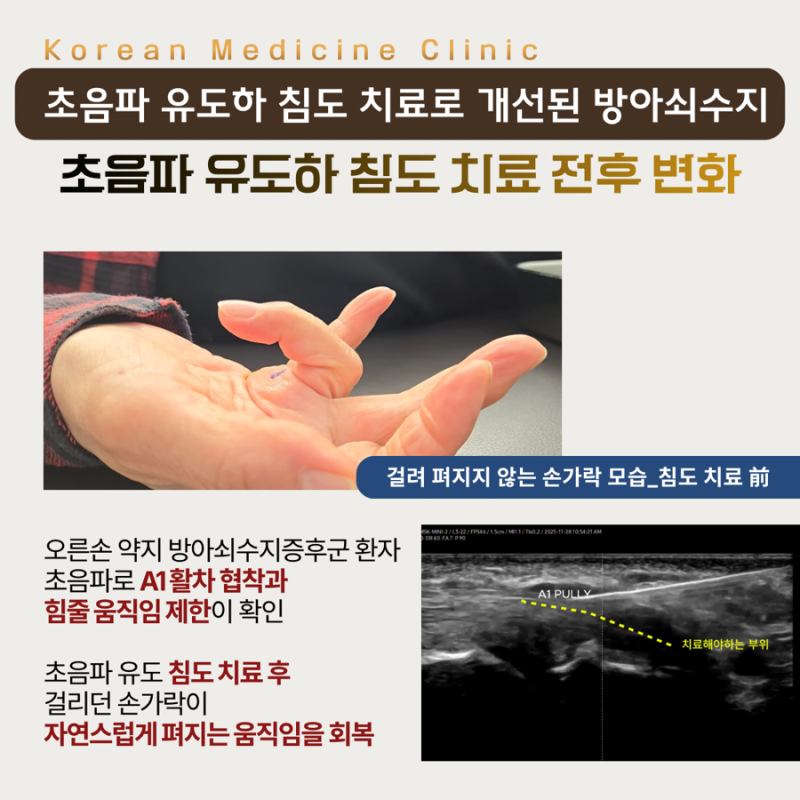
Changes Before and After Ultrasound-Guided Acupotomy Treatment at Sunyujae Korean Medicine Clinic in Dongcheon-dong, Suji-gu. Trigger Finger Improved with Ultrasound-Guided Acupotomy Treatment. A patient who visited our clinic was diagnosed with trigger finger syndrome affecting the right ring finger. Ultrasound confirmed restricted tendon movement and revealed stenosis in the A1 pulley area. After precisely releasing the stenosed tissue with ultrasound-guided acupotomy, the finger that was caught and unable to extend, after treatment,
naturally extended along with the other fingers, restoring normal movement.
Trigger Finger, Korean Medicine Complex Treatment. Trigger finger is often not simply a problem with a single finger, but rather results from the combined action of inflammation around the tendon, tissue tension, and changes in blood flow. In particular, stenosis in the A1 pulley area where the finger flexor tendon passes and tension in the soft tissues around the tendon can collectively have an impact.
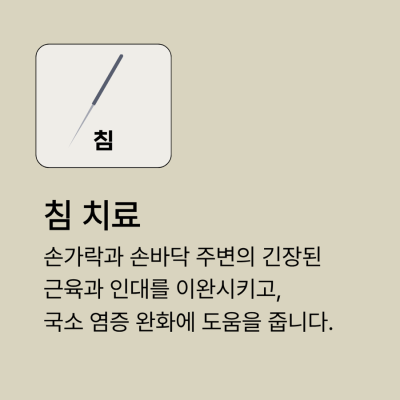
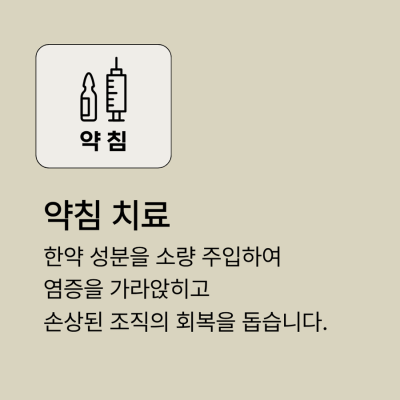
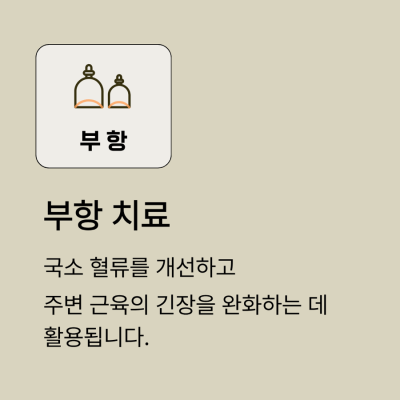
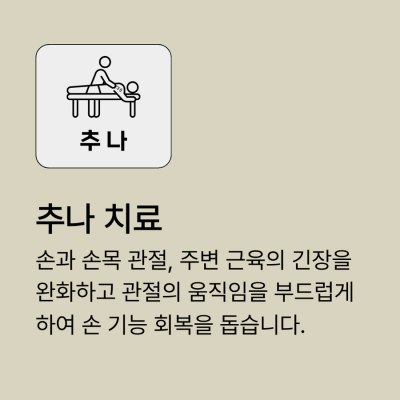
At our Korean medicine clinic, we approach this condition with a complex treatment method that combines various therapies, taking these factors into account.
Since the treatment method for trigger finger can vary depending on the severity of symptoms and the patient’s condition, it is important to establish an appropriate treatment plan based on an accurate diagnosis. https://m.blog.naver.com/sunyujae21/224213881560 We hope you will join Sunyujae Korean Medicine Clinic, which shares valuable information for a healthy life.
Sunyujae Korean Medicine Clinic in Suji-gu is evidence-based and pursues integrated medicine.
This post was written directly by the medical staff of Sunyujae Korean Medicine Clinic to provide medical information, in compliance with Article 56(2) and Article 57(3) of the Medical Service Act. The duration and outcome of treatment may vary from person to person, so please consult a qualified practitioner before beginning treatment.
Consultation & Booking
Have questions? Reach us anytime via KakaoTalk or phone.