
Trigger finger, medically classified as Stenosing Tenosynovitis, occurs when the sheath through which the finger tendons pass narrows, hindering smooth tendon movement. Specifically, when stenosis occurs at the A1 pulley, located where the palm and finger meet, a characteristic ‘clicking’ or ‘catching’ symptom appears when moving the finger.
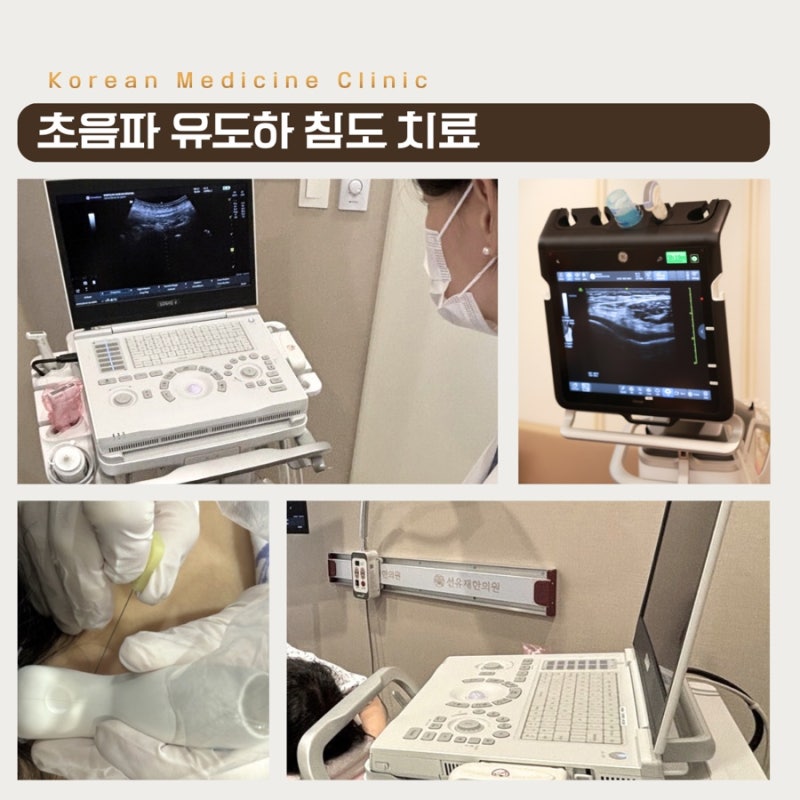
Recently, studies on acupotomy using ultrasound (Ultrasound-Guided Acupotomy) for trigger finger treatment have also been reported. The advantage of using ultrasound is that it allows for more precise treatment by visualizing the tendon and pulley structures in real-time. In today’s post, we will explain trigger finger treatment, focusing on research trends in ultrasound-guided acupotomy from SCI(E) studies published over the past five years, and answer the questions patients most frequently ask. Hello, this is Sunyujae Korean Medicine Clinic in Dongcheon-dong, Suji-gu, where good intentions reside.


5-Year SCI Review: Ultrasound-Guided Acupotomy for Trigger Finger: 2021-2026 Evidence
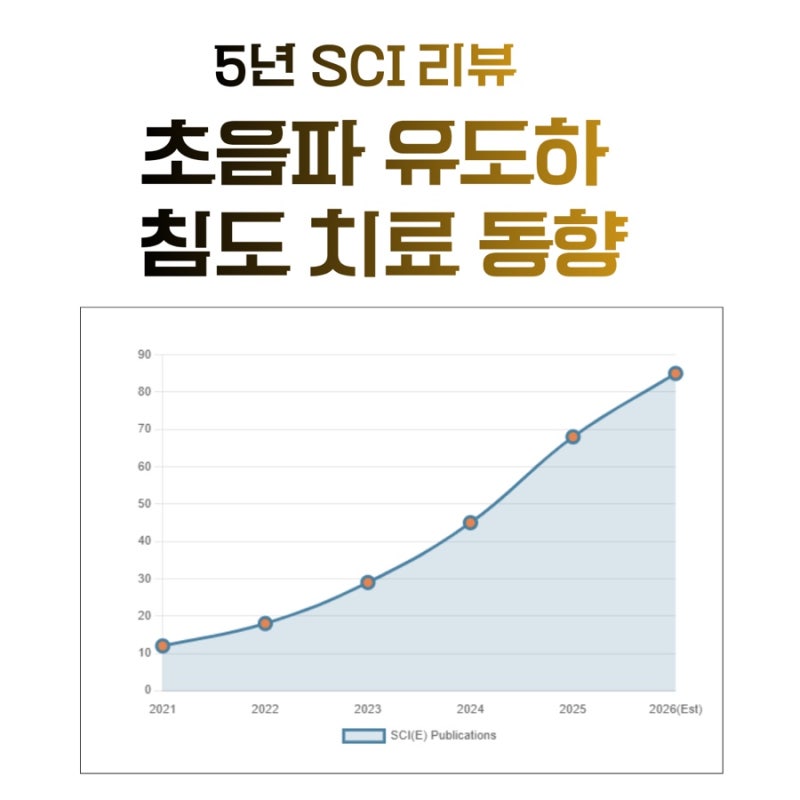
1. Research Trends and Introduction (Research Landscape) Over the past five years, there has been a surge in SCI(E) level papers demonstrating the efficacy and safety of ultrasound-guided acupotomy in the treatment of trigger finger. This method overcomes the limitations of traditional blind acupotomy and corticosteroid injections (CSI), establishing itself as a new standard treatment that accurately targets the A1 pulley, minimizing damage to surrounding nerves and blood vessels.
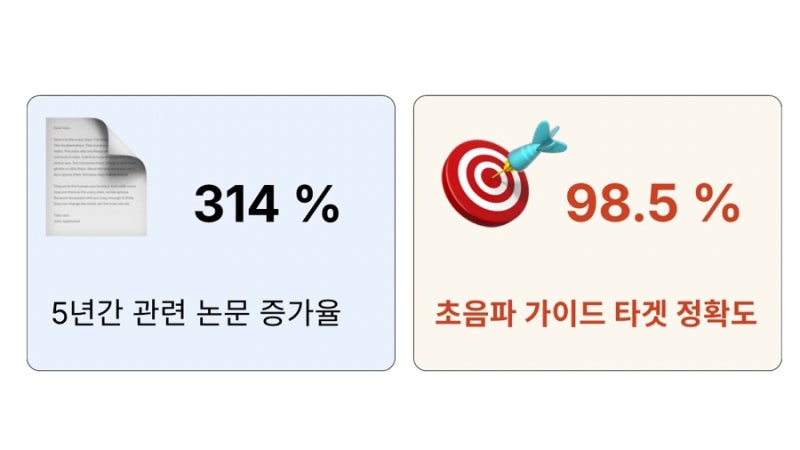
2. Clinical Efficacy Comparison (Clinical Efficacy) Meta-analyses of numerous randomized controlled trials (RCTs) have shown that ultrasound-guided acupotomy achieved significantly higher cure rates compared to conventional treatments in long-term follow-ups of 6 months or more, and also had the lowest recurrence rate. It overcomes the temporary effect limitations of steroid injections through structural resolution.
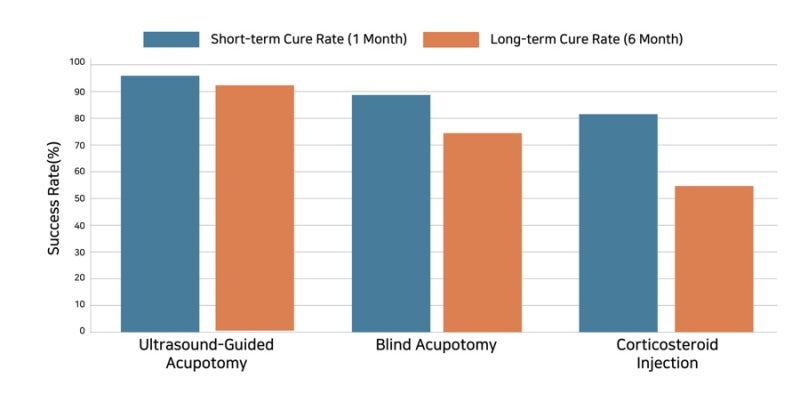
3. Safety Profile (Safety) Several studies have reported that the rates of tendon injury and nerve damage, which are the biggest risks of blind manual treatments, virtually approach ‘0’ with ultrasound guidance. 4. Pain Reduction Pattern (VAS Scores) An investigation into the distribution of patients’ subjective pain assessment (VAS) scores before and after treatment revealed a rapid reduction in pain within 1 month after the procedure, which tends to be stably maintained for up to 6 months.
5. Ultrasound-Guided Acupotomy_Conclusion and Clinical Significance (Conclusion) Visualized Precision Real-time ultrasound imaging allows direct visualization of the degree of A1 pulley thickening and surrounding structures, enabling minimally invasive incision. Fast Recovery Speed Compared to traditional open surgery, there is no scarring, and daily life can be resumed on the day of the procedure.
Fundamental Structural Improvement Fundamental Structural Improvement This is a fundamental treatment method that resolves structural entrapment rather than relying on the pharmacological suppression of steroids, significantly reducing long-term recurrence rates.
Most Frequently Asked Questions by Patients Q. Can trigger finger get better on its own? In the early stages, symptoms may improve by reducing hand use and resting.
However, if inflammation around the tendon persists, symptoms may recur or worsen. Q. Does frequent hand use make it worse?
Repeated use of the fingers can increase friction between the tendon and the pulley, potentially worsening symptoms. Activities such as smartphone use, computer work, household chores, and golf can strain the fingers. Q. How is trigger finger treated?
Trigger finger often improves with non-surgical treatment, depending on the severity of symptoms. One of the representative treatments is acupotomy. Acupotomy is a treatment that uses a special flat-bladed needle to release adhesive tissues around the tendon and relieve tension in the narrowed tendon sheath, helping the tendon move smoothly.
Q. Which fingers are most commonly affected? Trigger finger can occur in any finger, but it is relatively common in the thumb, middle finger, and ring finger.
Q. Why is trigger finger worse in the morning? Because the hand is barely moved during the night, the tissues around the tendon can temporarily stiffen, making symptoms feel worse in the morning.
Q. When should I visit the clinic? If you experience repeated catching when extending your finger, persistent palm pain, or a locked finger, it is advisable to have your condition checked.
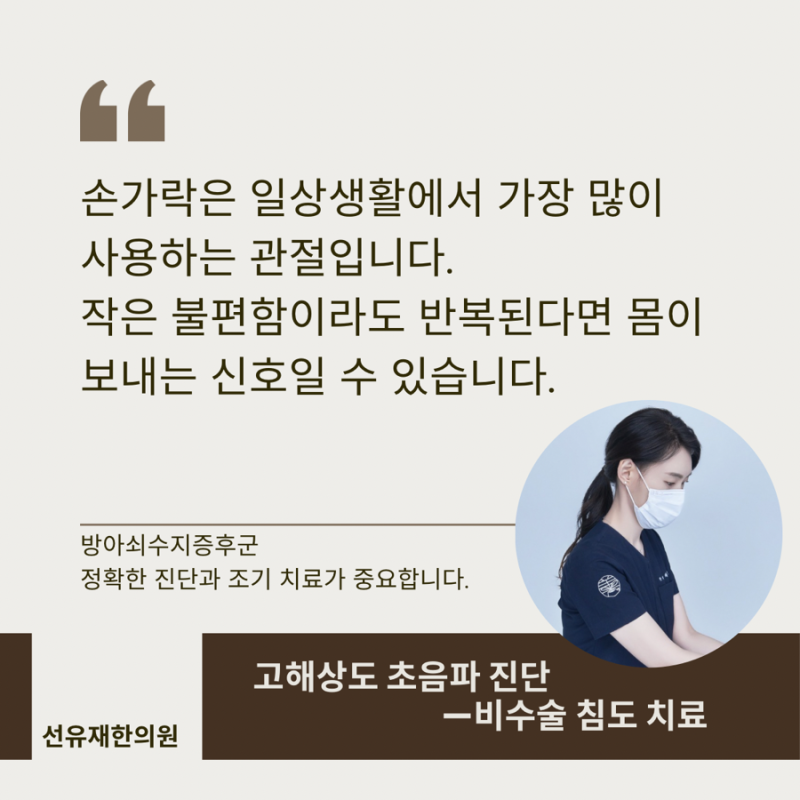
Trigger finger is a relatively common hand condition, but in its early stages, it often begins with simple finger stiffness, leading many to overlook it. However, if symptoms recur, they can lead to finger catching, palm pain, and finger locking, making early assessment of the condition crucial.
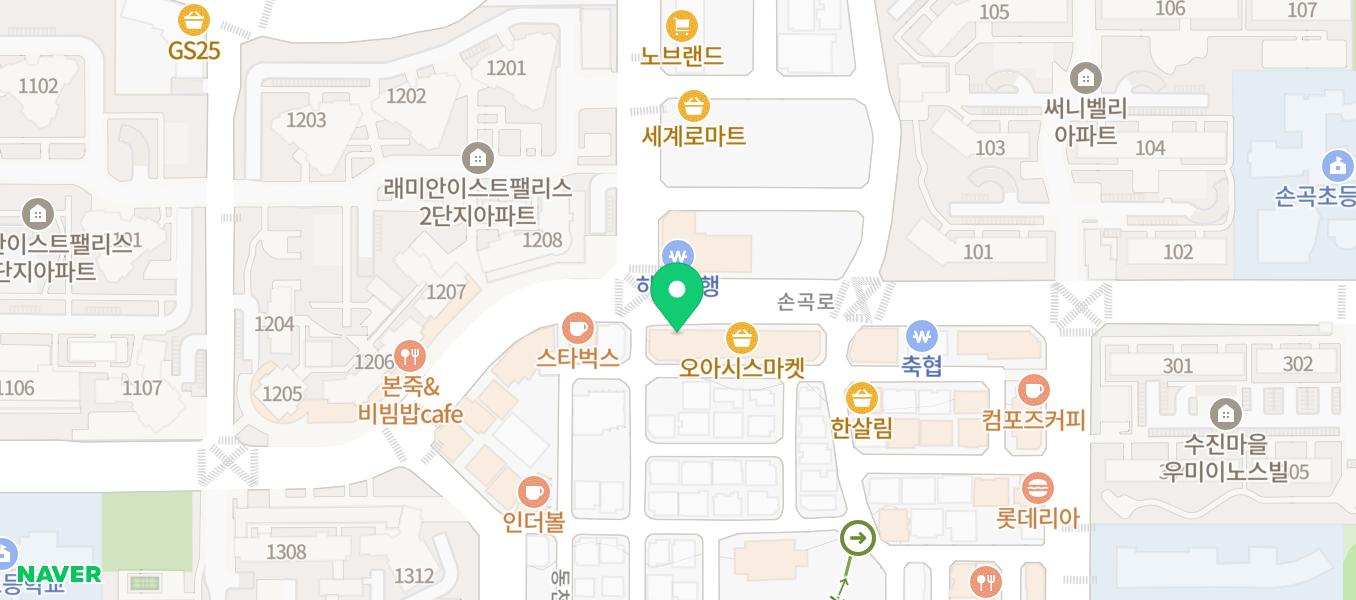
Fingers are among the most frequently used joints in daily life. Even minor discomfort, if repetitive, could be a signal from your body. At Sunyujae Korean Medicine Clinic in Dongcheon-dong, Suji-gu, we use high-resolution ultrasound to examine tendon and pulley structures, and we work with patients to determine the most suitable treatment plan for their condition.
If you frequently experience finger catching or persistent morning finger stiffness, we recommend seeking professional medical attention to assess your condition. We hope you will join Sunyujae Korean Medicine Clinic, which shares valuable information for a healthy life. Sunyujae Korean Medicine Clinic in Suji-gu pursues evidence-based medicine and integrative medicine.
This post was written directly by the medical staff of Sunyujae Korean Medicine Clinic to provide medical information, in compliance with Article 56(2) and Article 57(3) of the Medical Service Act. The duration and outcome of treatment may vary from person to person, so please consult a qualified practitioner before beginning treatment.
Consultation & Booking
Have questions? Reach us anytime via KakaoTalk or phone.