

Hello, this is Sunyujae Korean Medicine Clinic, where good hearts reside.
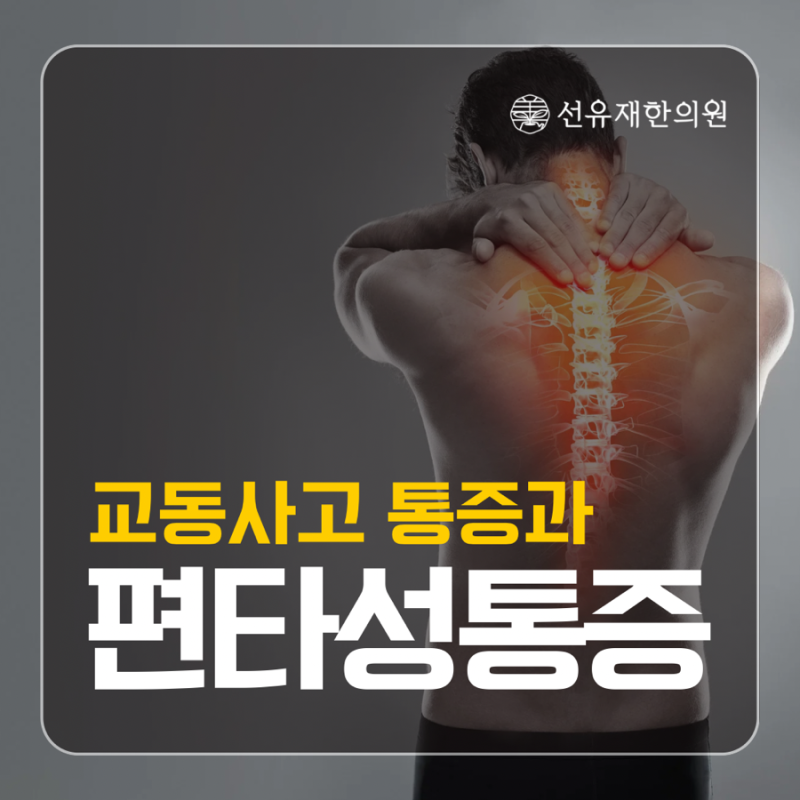

Pain that appears after a traffic accident has different characteristics from simple muscle pain. At the moment of impact, the muscles and ligaments in the body suddenly tense up to absorb the shock, and whiplash injury is particularly common in the neck area. Immediately after the accident, there may be no clear pain, but over time, symptoms such as neck stiffness, headaches, shoulder stiffness, and numbness in the arms and legs may appear.
Even if there are no visible external injuries, changes can occur in the deep structures of the body, so it’s important to observe your body’s reactions from the beginning. Today, we will discuss the characteristics of traffic accident pain, how whiplash injury manifests, and its process and significance. Post-accident pain at Seodaemun-gu Sunyujae Korean Medicine Clinic. Differences in pain patterns — Pain that doesn’t disappear with rest. General muscle pain only occurs when moving,
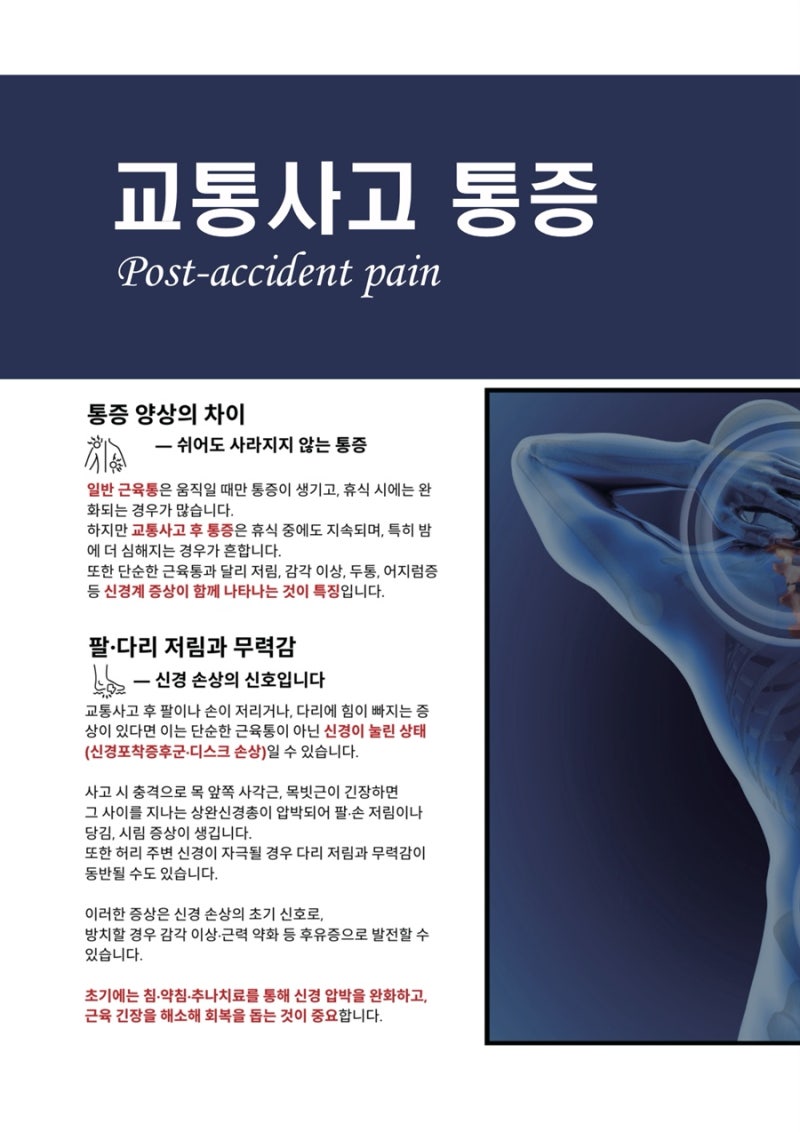
and often eases with rest. However, post-traffic accident pain often persists even during rest, and is particularly common to worsen at night. Furthermore, unlike simple muscle pain, it is characterized by accompanying neurological symptoms such as numbness, sensory abnormalities, headaches, and dizziness.
Numbness and weakness in the arms and legs — signs of nerve damage. If you experience numbness in your arms or hands, or weakness in your legs after a traffic accident, this may not be simple muscle pain but rather a pinched nerve (nerve entrapment syndrome or disc damage). When the anterior scalene and sternocleidomastoid muscles in the front of the neck tense up due to the impact of an accident, the brachial plexus passing between them can be compressed, leading to numbness, pulling, or cold sensations in the arms and hands.
Furthermore, if nerves around the lower back are irritated, leg numbness and weakness may also accompany. These symptoms are early signs of nerve damage, and if left untreated, can develop into sequelae such as sensory abnormalities and muscle weakness. In the early stages, it is important to alleviate nerve compression and relieve muscle tension through acupuncture, pharmacopuncture, and Chuna manual therapy to aid recovery.
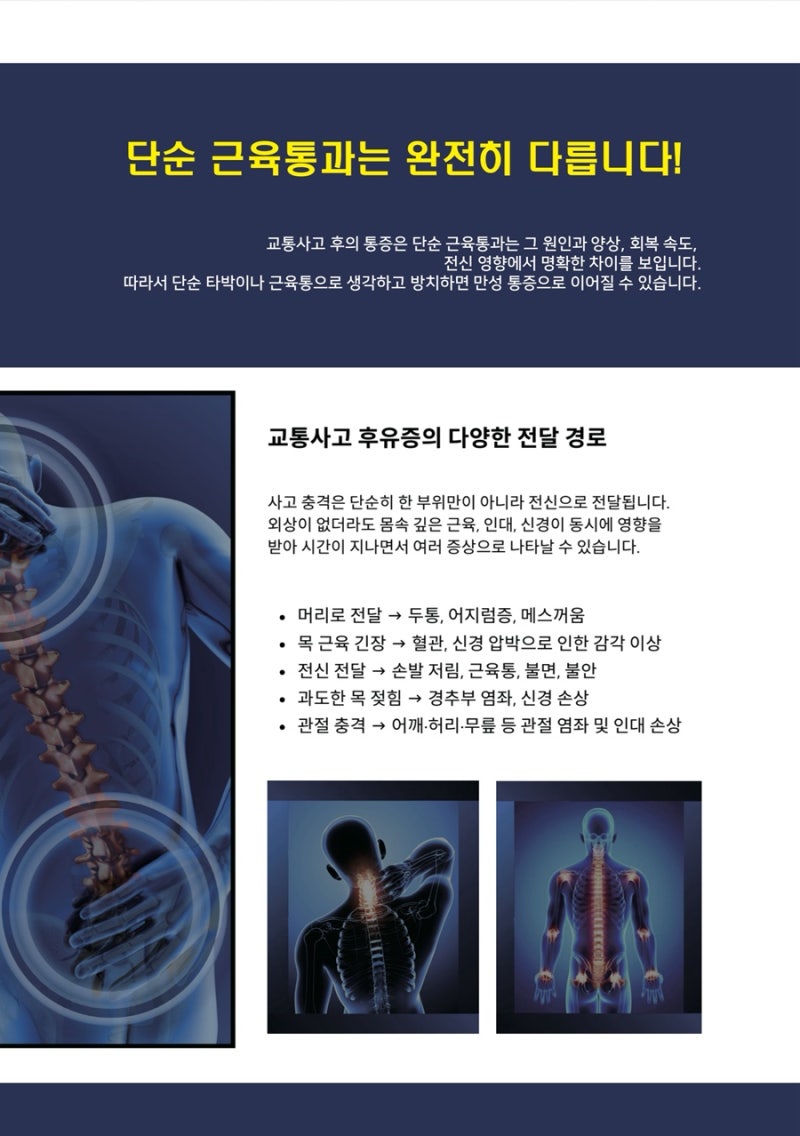
It’s completely different from simple muscle pain! Pain after a traffic accident shows clear differences from simple muscle pain in its cause, pattern, recovery speed, and systemic impact. Therefore, if you dismiss it as a simple bruise or muscle pain and leave it untreated, it can lead to chronic pain.
Various Transmission Pathways of Traffic Accident Sequelae The impact of an accident is transmitted not just to one area but throughout the entire body. Even without external injuries, deep muscles, ligaments, and nerves within the body can be simultaneously affected, leading to various symptoms over time. – Transmitted to the head → Headaches, dizziness, nausea – Neck muscle tension → Sensory abnormalities due to blood vessel and nerve compression – Systemic transmission → Numbness in hands and feet, muscle pain, insomnia, anxiety
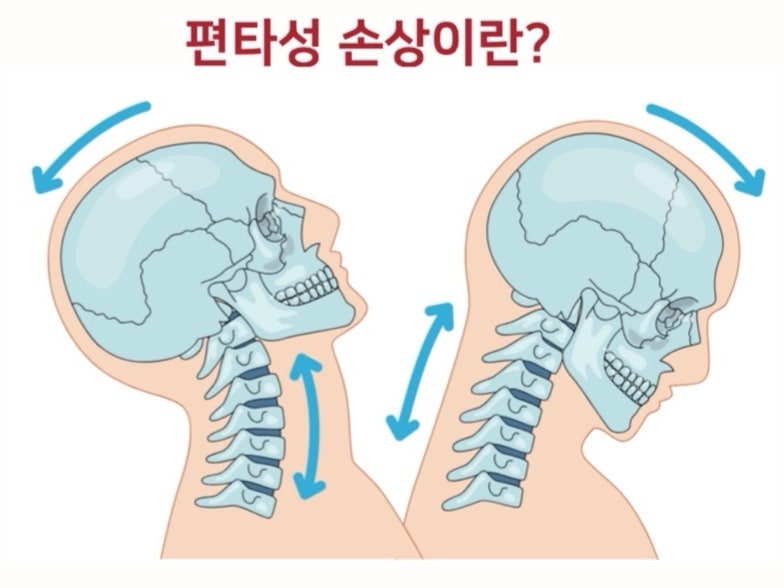
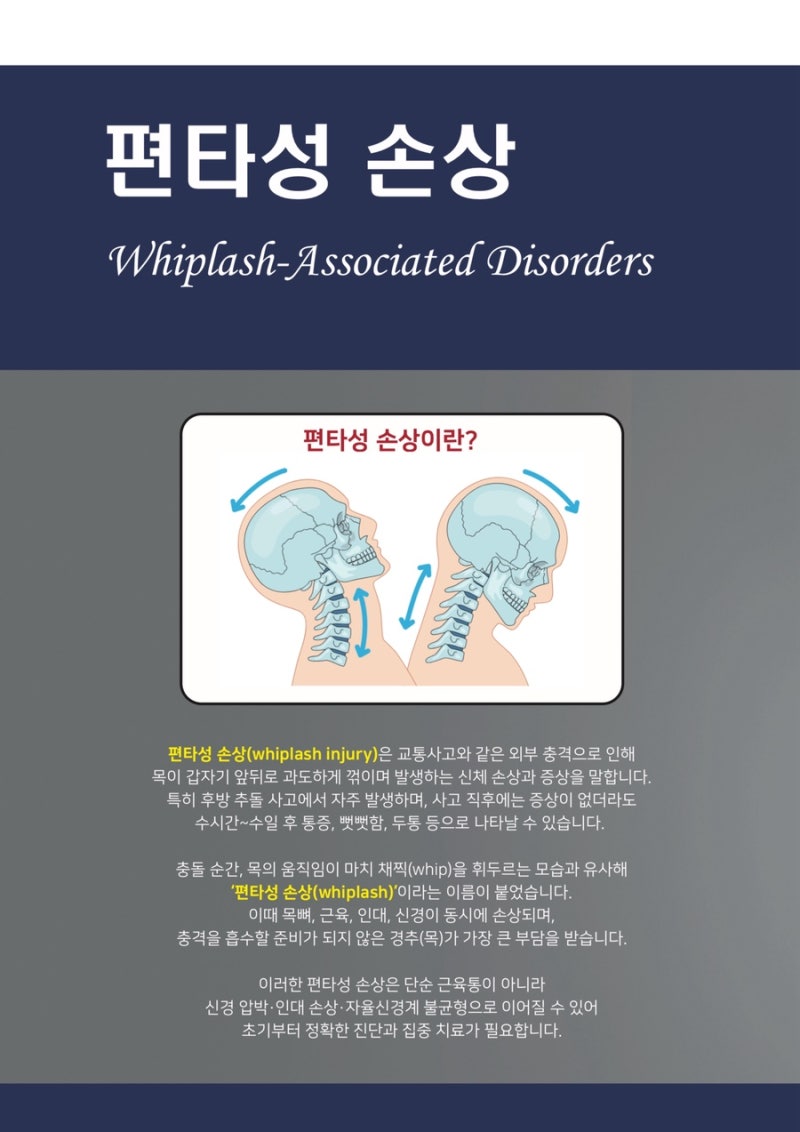
– Excessive neck hyperextension → Cervical sprain, nerve damage – Joint impact → Joint sprains and ligament damage in shoulders, lower back, knees, etc. Whiplash-Associated Disorders at Suji-gu Sunyujae Korean Medicine Clinic. Whiplash injury refers to physical damage and symptoms that occur when the neck is suddenly and excessively bent forward and backward due to external impact, such as a traffic accident.
It frequently occurs in rear-end collisions, and even if there are no symptoms immediately after the accident, pain, stiffness, and headaches may appear several hours to several days later. At the moment of impact, the movement of the neck resembles the flick of a whip, hence the name ‘whiplash injury’. At this time, the cervical vertebrae, muscles, ligaments, and nerves are simultaneously damaged, and the cervical spine (neck), unprepared to absorb the impact, bears the greatest burden.
Such whiplash injury is not just simple muscle pain but can lead to nerve compression, ligament damage, and autonomic nervous system imbalance, thus requiring accurate diagnosis and intensive treatment from the outset.
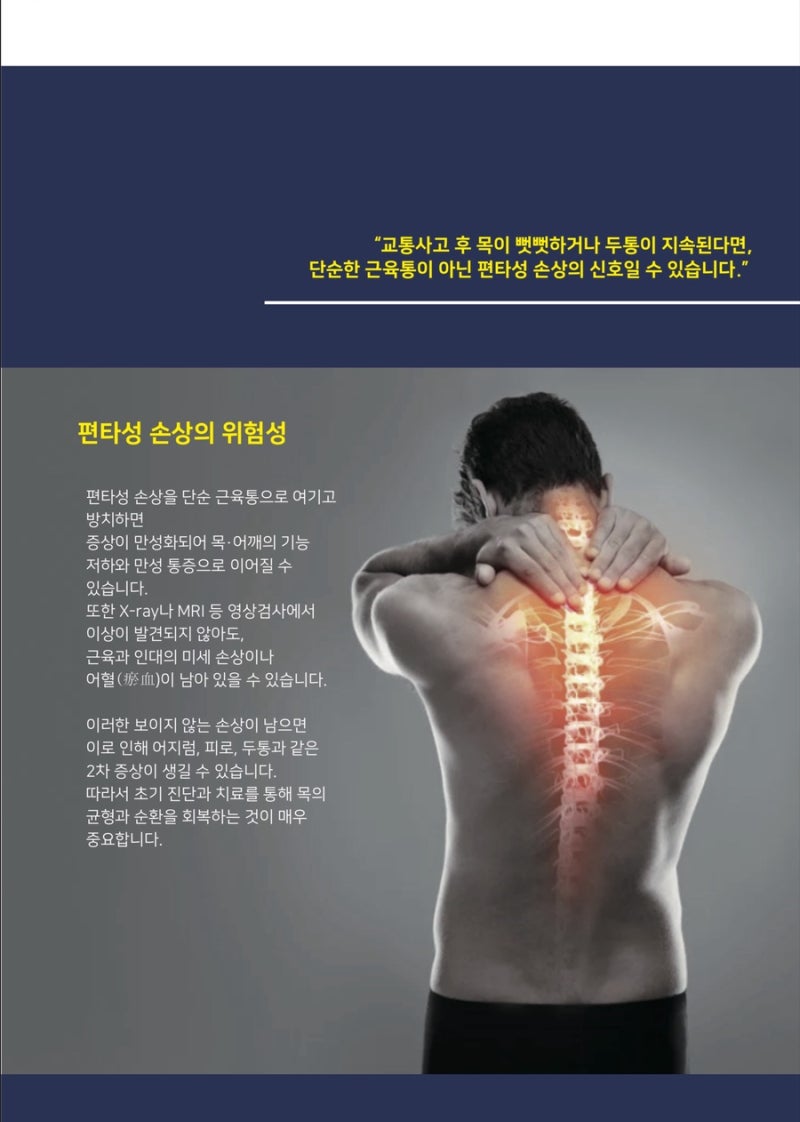
If you experience neck stiffness or headaches after a traffic accident, it could be a sign of whiplash injury, not just simple muscle pain. Suji-gu Sunyujae Korean Medicine Clinic. If whiplash injury is considered simple muscle pain and left untreated, symptoms can become chronic, leading to reduced neck and shoulder function and chronic pain. Furthermore, even if imaging tests such as X-rays or MRI show no abnormalities, microscopic damage to muscles and ligaments or eohyeol (blood stasis) may remain.
If such unseen damage remains, it can lead to secondary symptoms such as dizziness, fatigue, and headaches. Therefore, early diagnosis and treatment to restore neck balance and circulation are crucial. Symptoms like pain, stiffness, or numbness after a traffic accident are often not merely muscle tension but rather structural changes remaining due to the tension at the moment of impact and whiplash injury.
The recovery process after a traffic accident varies for each individual. It’s important to examine what your current symptoms mean and gradually adjust to help your body regain a comfortable balance. We hope you don’t take the signals your body sends lightly.
https://m.blog.naver.com/sunyujae21/224071567038
Valuable information for a healthy life We hope you will join Sunyujae Korean Medicine Clinic in sharing valuable information for a healthy life. Sunyujae Korean Medicine Clinic in Suji-gu pursues evidence-based medicine and integrative medicine.
This post was written directly by the medical staff of Sunyujae Korean Medicine Clinic to provide medical information, in compliance with Article 56(2) and Article 57(3) of the Medical Service Act. The duration and outcome of treatment may vary from person to person, so please consult a qualified practitioner before beginning treatment.
Consultation & Booking
Have questions? Reach us anytime via KakaoTalk or phone.