Hello, this is Sunyujae Korean Medicine Clinic, where good hearts reside.

“Have you ever heard of the herbal medicine called Hwanggi (Astragalus)?” When I talk with patients in the consultation room, many know it as an ingredient in Samgyetang (ginseng chicken soup). That’s right. Since ancient times, Hwanggi (黃芪) has been widely used as an herbal medicine to boost energy and strengthen the body.
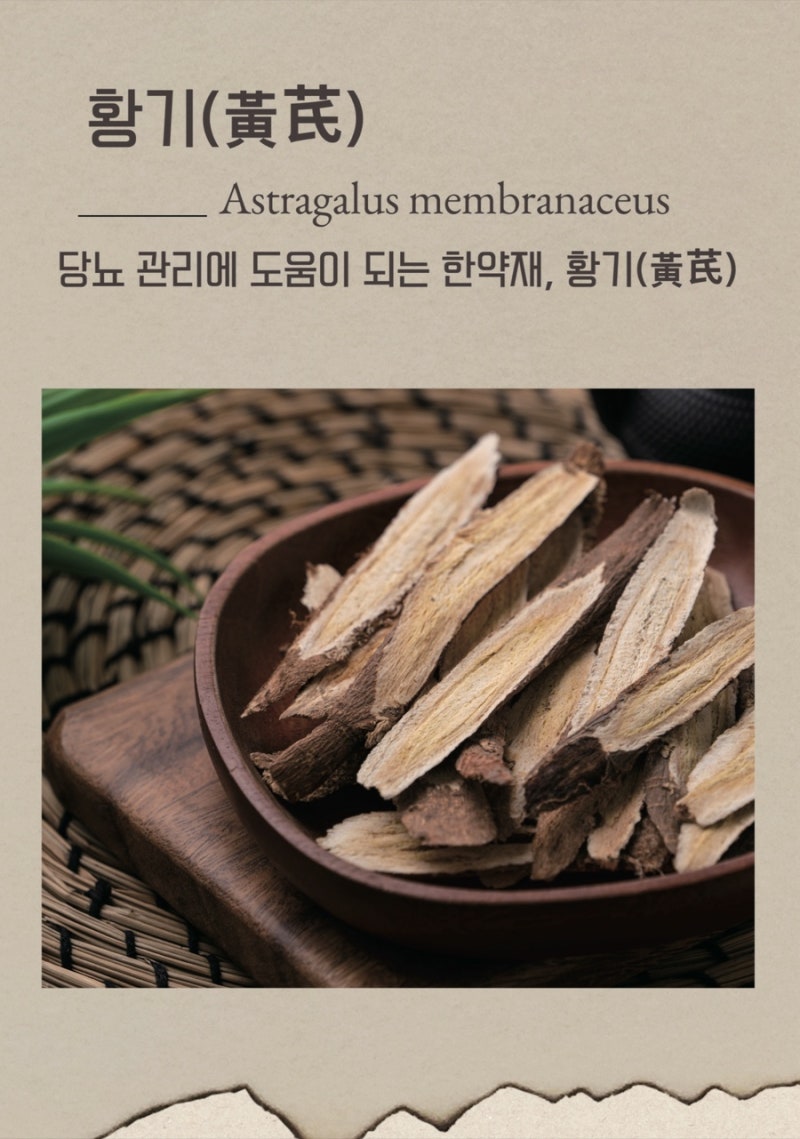
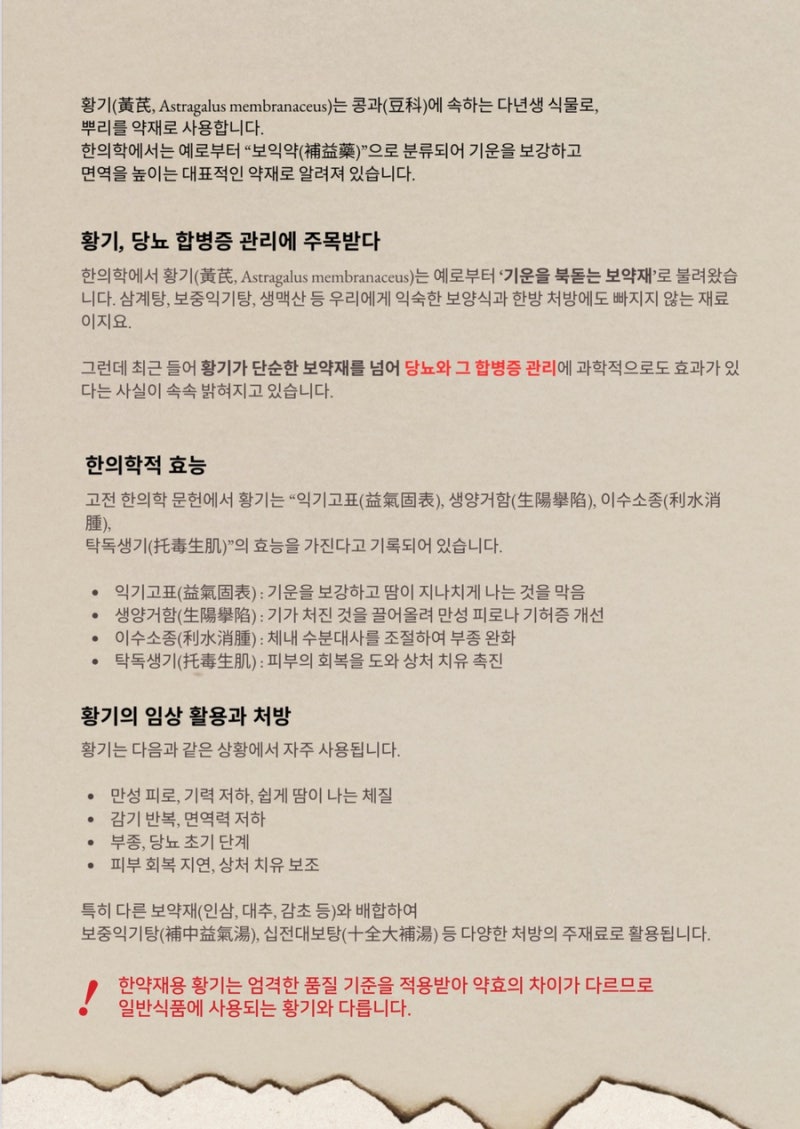
Today, let’s discuss the Korean medicine efficacy and uses of Hwanggi, and its connection to diabetes management. Hwanggi (黃芪), or Astragalus membranaceus, is a perennial plant belonging to the legume family (豆科), and its root is used as an herbal medicine. In Korean medicine, it has long been classified as a “Boikyak (補益藥)” (tonic medicine) and is known as a representative herbal medicine for strengthening vital energy and boosting immunity.
Hwanggi Gains Attention in Diabetes Complication Management. At Suji-gu Korean Medicine Clinic Sunyujae, Hwanggi (黃芪) has long been called a ‘tonic herbal medicine that boosts vital energy.’ It is an indispensable ingredient in familiar nourishing foods and traditional Korean medicine prescriptions such as Samgyetang, Bojungikgitang, and Saengmaeksan.
However, recently, Hwanggi has been recognized as more than just a tonic herbal medicine, with scientific evidence increasingly revealing its effectiveness in managing diabetes and its complications. Modern Research and Application in Diabetes: According to modern medical research, Hwanggi is reported to be effective in blood sugar control and improving insulin resistance.
Blood Sugar Control — Saponins and flavonoids, the main components of Hwanggi, improve insulin resistance and suppress blood sugar elevation.
Antioxidant Effect — It reduces cell damage caused by reactive oxygen species, contributing to the prevention of diabetic complications.
Kidney Protective Action — It has been reported to have an effect that alleviates the progression of complications such as diabetic nephropathy.
Lipid Metabolism Improved Lipid Metabolism — It helps lower the risk of cardiovascular diseases by regulating blood lipid levels.
These research findings demonstrate that Hwanggi is more than just a tonic medicine; it is an important herbal medicine for managing diabetes and metabolic diseases. Korean Medicine Efficacy: In classical Korean medicine texts, Hwanggi is recorded to have the efficacies of “Ikgi Gopyo (益氣固表), Saengyang Geoham (生陽擧陷), Isu Sojong (利水消腫), and Takdok Saenggi (托毒生肌).” * Ikgi Gopyo (益氣固表): Strengthens vital energy and prevents excessive sweating. * Saengyang Geoham (生陽擧陷): Lifts sunken qi, improving chronic fatigue or qi deficiency.
* Isu Sojong (利水消腫): Regulates fluid metabolism in the body to alleviate edema. * Takdok Saenggi (托毒生肌): Aids skin recovery and promotes wound healing. Clinical Applications and Prescriptions of Hwanggi: Hwanggi is frequently used in the following situations: * Chronic fatigue, low vital energy, tendency to sweat easily. * Recurrent colds, weakened immunity. * Edema, early stages of diabetes.
Delayed skin recovery, wound healing support — especially when combined with other tonic herbal medicines (such as ginseng, jujube, licorice),
it is used as a main ingredient in various prescriptions such as Bojungikgitang (補中益氣湯) and Sipjeondaebotang (十全大補湯). Hwanggi for herbal medicine use is subject to strict quality standards, resulting in different medicinal effects, and thus differs from Hwanggi used in general food products. At Suji-gu Sunyujae Korean Medicine Clinic, Hwanggi has long been recorded to “strengthen vital energy, regulate sweating, reduce edema, and aid wound recovery.”
Therefore, it has traditionally been frequently used when fatigue does not easily subside or when one sweats easily, or when recovery is slow. Furthermore, recent research is gradually revealing its potential in blood sugar management and complication prevention, gaining attention from both traditional and modern perspectives. Hwanggi for food use and Hwanggi for herbal medicine use are distinguished, and its application methods vary depending on an individual’s constitution and condition.
Therefore, if you are considering taking it, it is advisable to consult with an expert to determine the appropriate method of use for you. Just as Hwanggi, originating from a small root, has sustained our lives for centuries, it continues to be a valuable herbal medicine for maintaining health today.
We hope you will join Sunyujae Korean Medicine Clinic in sharing valuable information for a healthy life. Suji-gu Korean Medicine Clinic Sunyujae pursues evidence-based medicine and integrative medicine.
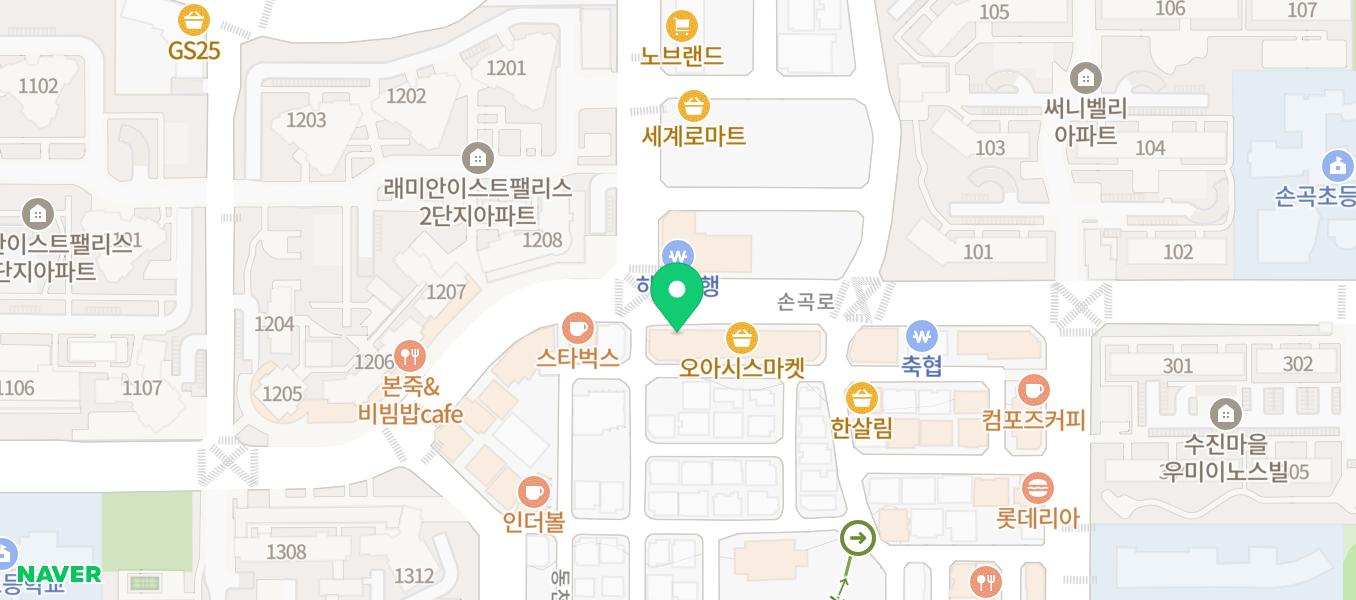
This post was written directly by the medical staff of Sunyujae Korean Medicine Clinic to provide medical information, in compliance with Article 56(2) and Article 57(3) of the Medical Service Act. The duration and outcome of treatment may vary from person to person, so please consult a qualified practitioner before beginning treatment.
Consultation & Booking
Have questions? Reach us anytime via KakaoTalk or phone.