
Hello, this is Dr. Hyocheong Chae, director of Sunyujae Korean Medicine Clinic in Dongcheon-dong, Suji-gu, a place where kind hearts reside.

Understand and manage irritable bowel syndrome properly. Irritable bowel syndrome (IBS) is a condition that goes beyond mere abdominal discomfort, robbing individuals of daily joy and confidence. Caused by a complex interplay of stress, irregular lifestyle, and a sensitive gut, this condition brings not only physical discomfort but also psychological withdrawal.
Many patients visiting our Korean medicine clinic complain, “I check for restrooms first because I’m anxious about going out or traveling,” or “I dread eating out.” Such worries can restrict daily life and significantly reduce quality of life. IBS is not just a gut problem but a complex condition connecting the body and mind.
Therefore, for effective management and treatment, it is crucial to restore both physical balance and psychological stability simultaneously.
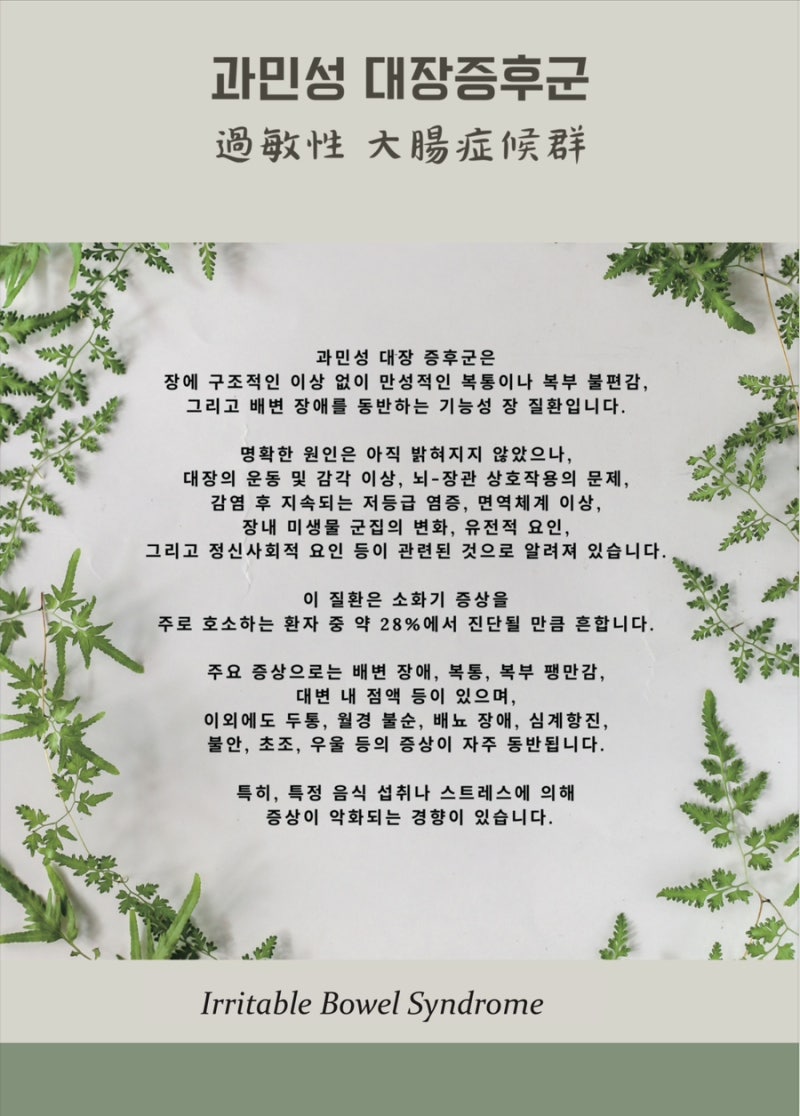
While the exact cause of irritable bowel syndrome is not yet clear, it is known to be associated with abnormalities in large bowel motility and sensation, problems with brain-gut interaction, persistent low-grade inflammation after infection, immune system dysfunction, changes in gut microbiota, genetic factors, and psychosocial factors. This condition is common, diagnosed in about 28% of patients who primarily complain of digestive symptoms.
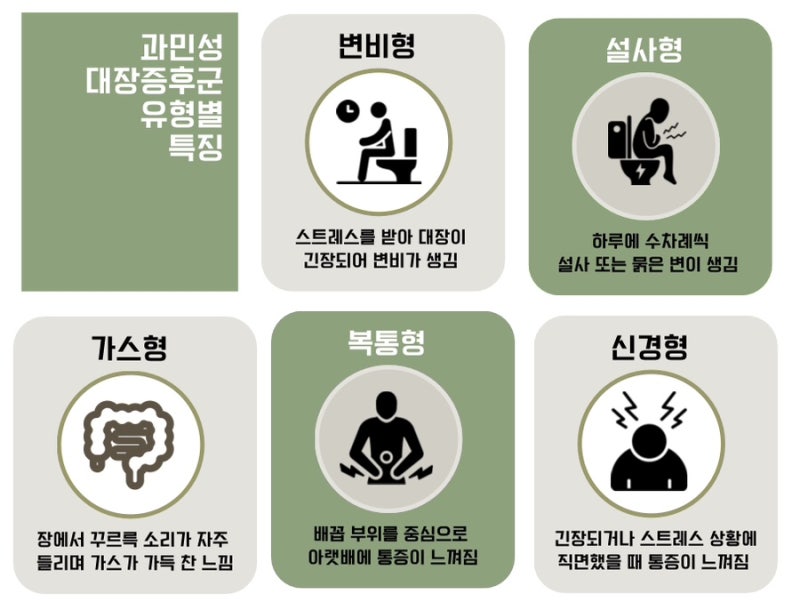
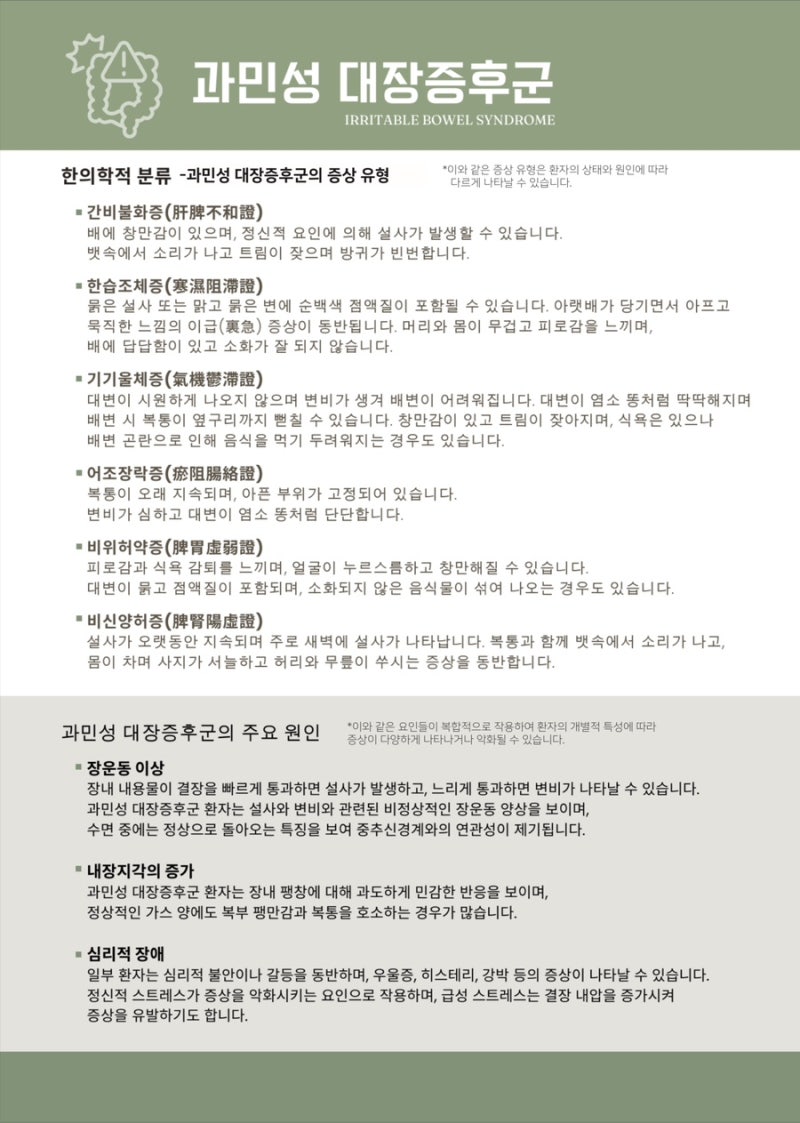
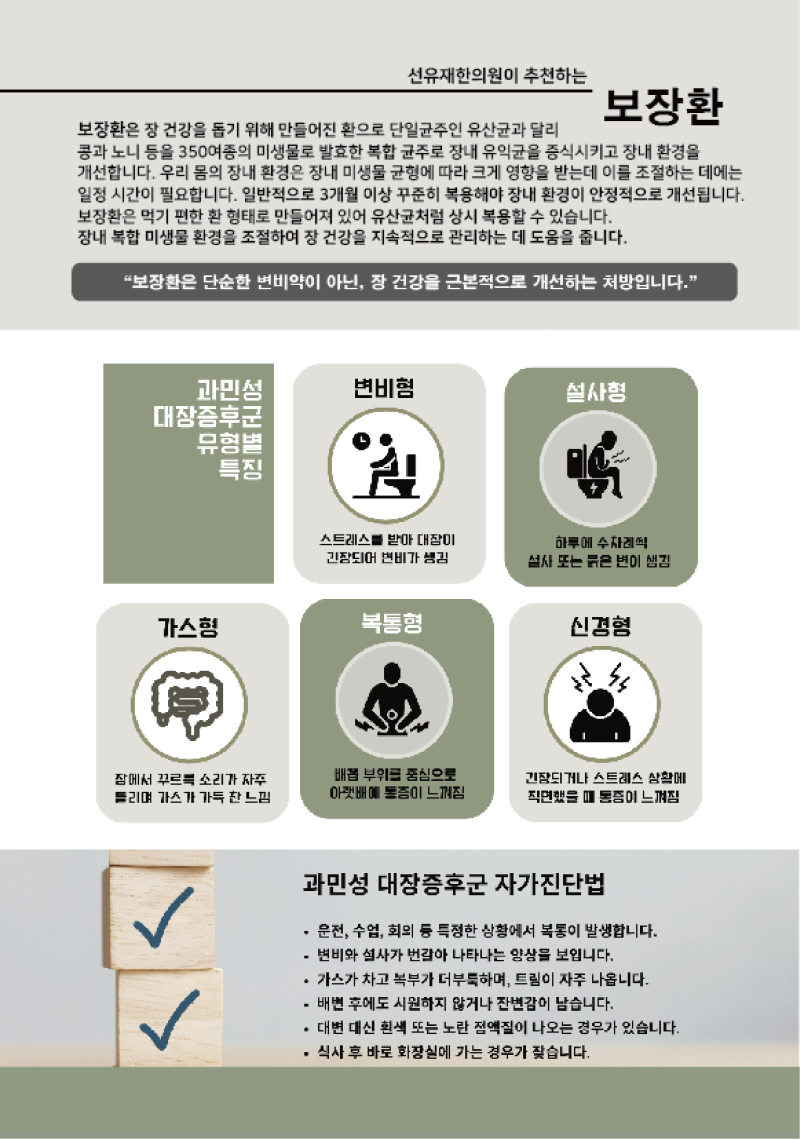
Key symptoms include bowel dysfunction, abdominal pain, abdominal distension, and mucus in the stool. Other frequently accompanying symptoms include headaches, menstrual irregularities, urination disorders, palpitations, anxiety, restlessness, and depression. In particular, symptoms tend to worsen with specific food intake or stress. Korean Medicine Classification of Irritable Bowel Syndrome Symptom Types Liver-Spleen Disharmony Syndrome (肝脾不和證) There is abdominal distension, and diarrhea may occur due to psychological factors.
There are rumbling sounds in the abdomen, frequent burping, and frequent flatulence. Cold-Damp Obstruction Syndrome (寒濕阻滯證) Loose stools or clear, watery stools may contain pure white mucus. Abdominal cramping pain and a heavy, urgent sensation (裏急) are accompanied.
The head and body feel heavy, accompanied by fatigue, abdominal stuffiness, and poor digestion. Qi Stagnation Syndrome (氣機鬱滯證) Stool does not pass smoothly, leading to constipation and difficulty with defecation. Stool becomes hard like goat droppings, and abdominal pain during defecation may radiate to the flanks.
There is distension and frequent burping, and while appetite exists, some may fear eating due to difficulty with defecation. Blood Stasis in Intestinal Collaterals Syndrome (瘀阻腸絡證) Abdominal pain persists for a long time, and the painful area is fixed. Constipation is severe, and stool is hard like goat droppings.
Spleen-Stomach Deficiency Syndrome (脾胃虛弱證) Fatigue and loss of appetite are felt, and the face may appear yellowish and distended. Stool is loose and contains mucus, and undigested food may be mixed in. Spleen-Kidney Yang Deficiency Syndrome (脾腎陽虛證) Diarrhea persists for a long time, mainly occurring in the early morning.
It is accompanied by abdominal pain, rumbling sounds in the abdomen, a cold body, cool limbs, and aching in the lower back and knees. These symptom types may vary depending on the patient’s condition and cause.
Main Causes of Irritable Bowel Syndrome *Abnormal Bowel Motility If intestinal contents pass through the colon too quickly, diarrhea may occur, and if they pass too slowly, constipation may result. IBS patients exhibit abnormal bowel motility patterns associated with diarrhea and constipation, which return to normal during sleep, suggesting a connection with the central nervous system.
*Increased Visceral Sensation IBS patients show an excessively sensitive reaction to intestinal distension, often complaining of abdominal distension and pain even with normal gas volumes. *Psychological Disorders Some patients experience psychological anxiety or conflict, and symptoms such as depression, hysteria, and obsessive-compulsive disorder may appear.
Mental stress acts as a factor that worsens symptoms, and acute stress can increase colonic intraluminal pressure, triggering symptoms.

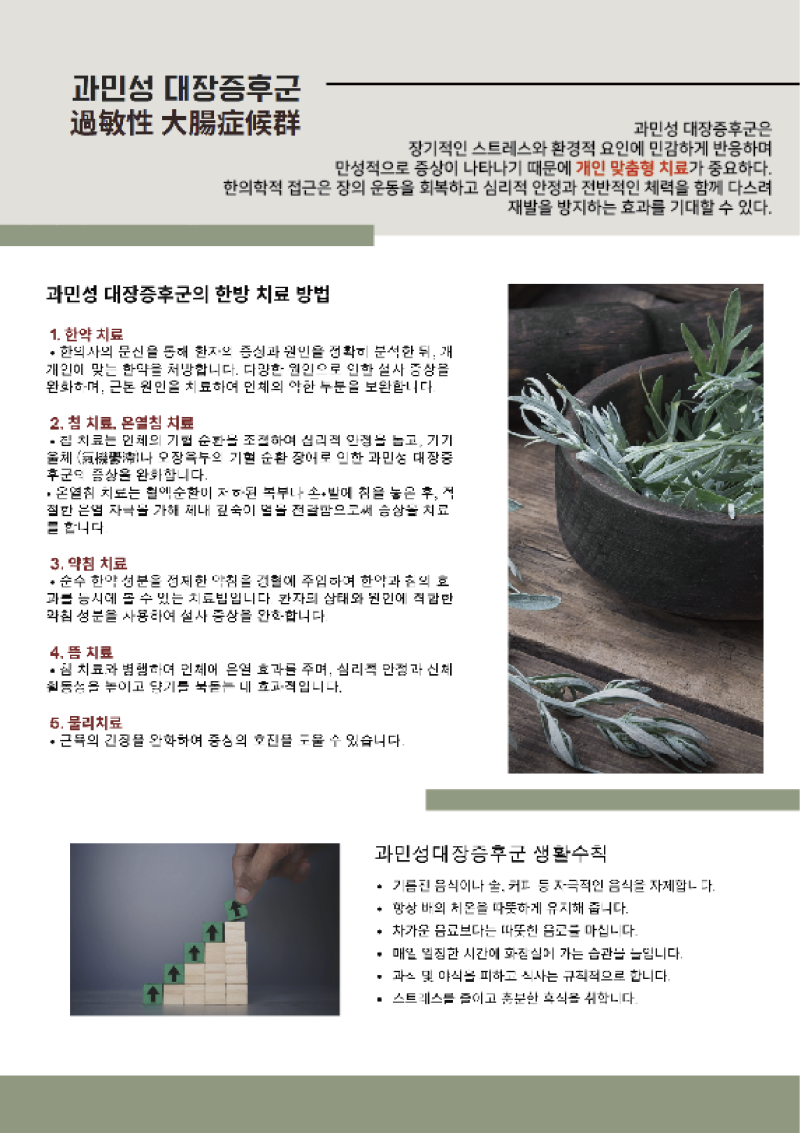
Korean Medicine Treatment Methods for Irritable Bowel Syndrome 1. Herbal Medicine Treatment • After accurately analyzing the patient’s symptoms and causes through a Korean medicine doctor’s consultation, customized herbal medicine is prescribed. It alleviates diarrhea symptoms caused by various factors and treats the fundamental cause to strengthen the body’s weak areas.
2. Acupuncture Treatment. Warm Needle Acupuncture 2. Acupuncture Treatment. Warm Needle Acupuncture Treatment • Acupuncture treatment regulates the circulation of qi and blood in the body, promoting psychological stability and alleviating symptoms of irritable bowel syndrome caused by qi stagnation (氣機鬱滯) or qi and blood circulation disorders in the five zang organs and six fu organs.
• Warm needle acupuncture treatment involves inserting needles into the abdomen or hands/feet where blood circulation is poor, then applying appropriate warm stimulation to deliver heat deep into the body, thereby treating the symptoms. 3. Pharmacopuncture Treatment • This treatment involves injecting purified herbal medicine ingredients into acupoints, allowing for the simultaneous effects of herbal medicine and acupuncture.
Pharmacopuncture ingredients suitable for the patient’s condition and cause are used to alleviate diarrhea symptoms. 4. Moxibustion Treatment • Used in conjunction with acupuncture treatment, it provides a warming effect to the body, enhances psychological stability and physical activity, and is effective in boosting yang energy.
5. Physical Therapy • It can help alleviate muscle tension and improve symptoms.
Irritable Bowel Syndrome Self-Diagnosis Checklist • Abdominal pain occurs in specific situations such as driving, classes, or meetings. • Shows a pattern of alternating constipation and diarrhea. • Experiences gas and abdominal bloating, with frequent burping. • Does not feel relieved after bowel movements or has a sensation of incomplete evacuation. • Sometimes passes white or yellow mucus instead of stool. • Frequently needs to use the restroom immediately after eating.
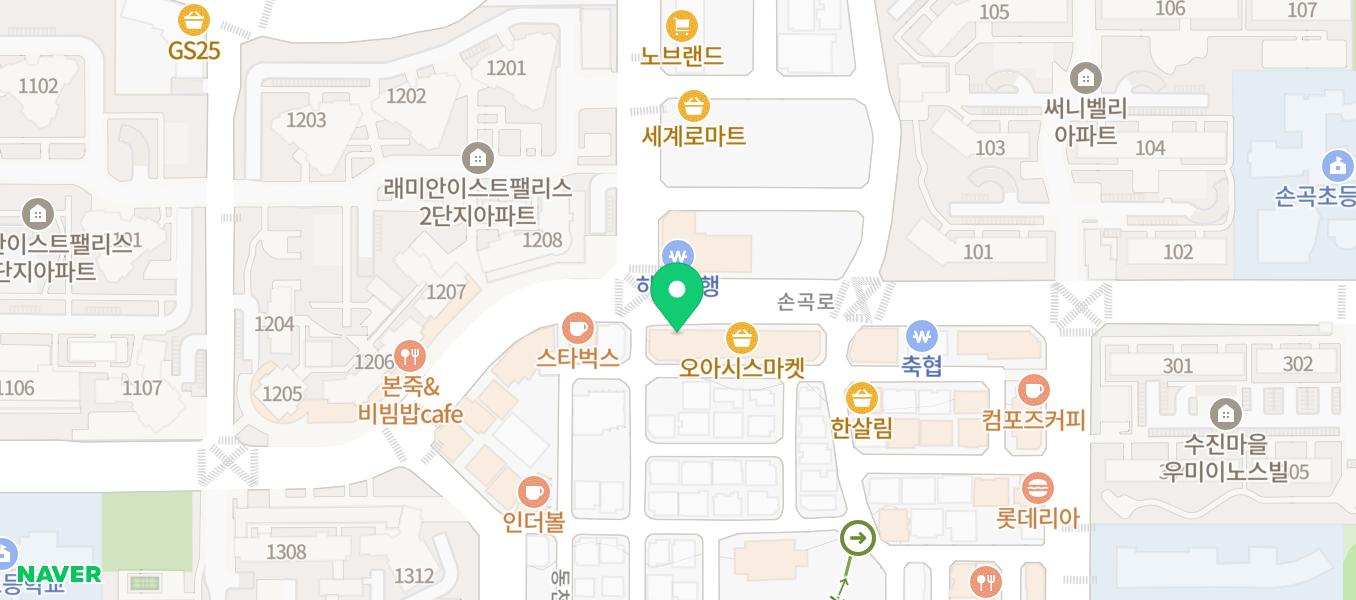
If you need more detailed information about irritable bowel syndrome, please contact Sunyujae Korean Medicine Clinic anytime. Dongcheon-dong Korean Medicine Clinic Sunyujae pursues evidence-based integrative medicine. Sunyujae Korean Medicine Clinic
This post was written directly by the medical staff of Sunyujae Korean Medicine Clinic to provide medical information, in compliance with Article 56(2) and Article 57(3) of the Medical Service Act. The duration and outcome of treatment may vary from person to person, so please consult a qualified practitioner before beginning treatment.
Consultation & Booking
Have questions? Reach us anytime via KakaoTalk or phone.