
Hello, this is Dr. Hyocheong Chae, director of Sunyujae Korean Medicine Clinic in Dongcheon-dong, a place where good hearts reside.

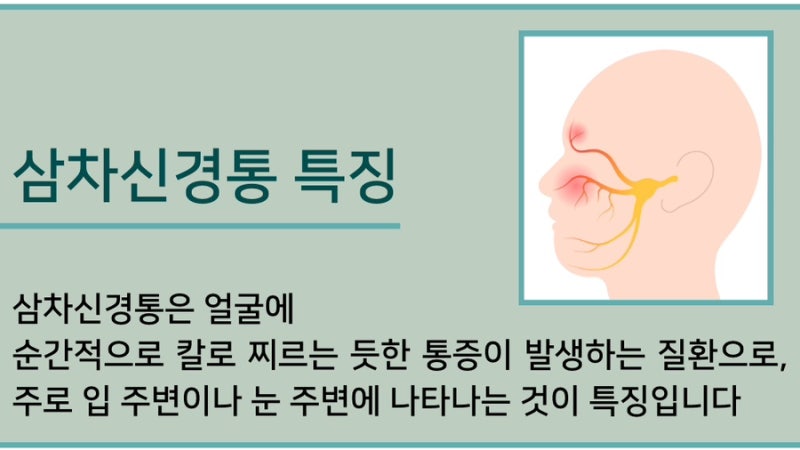
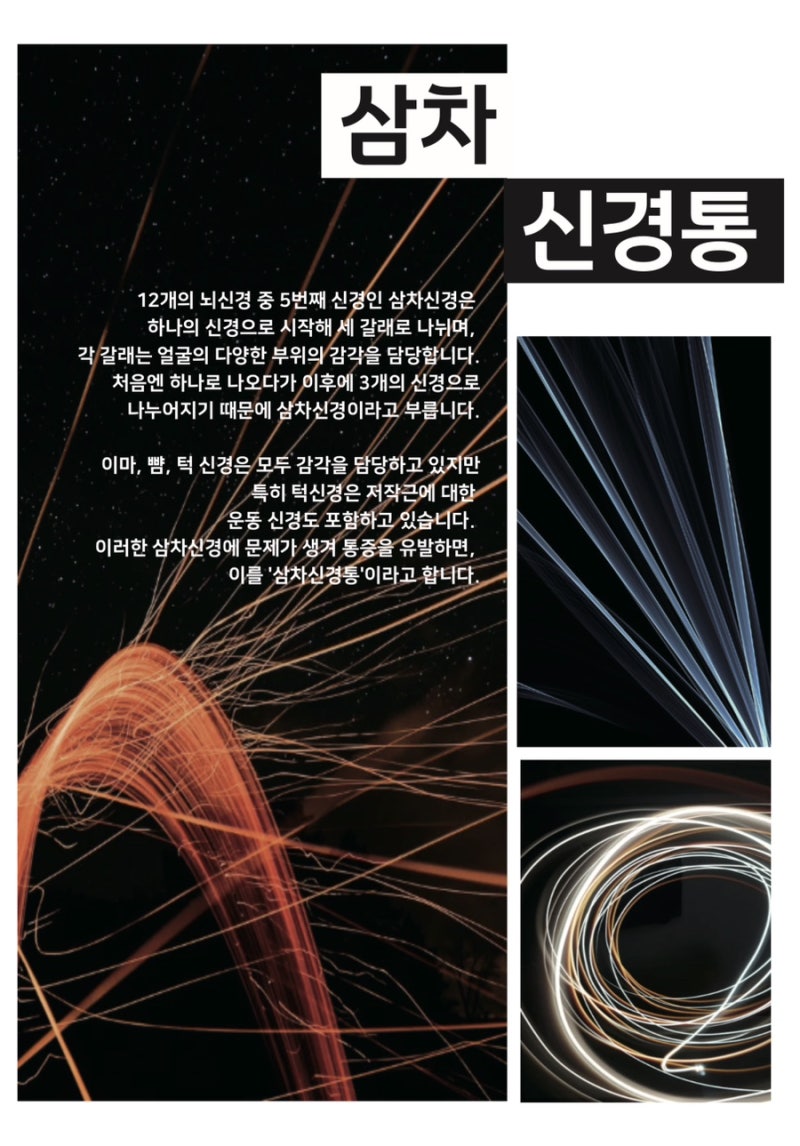
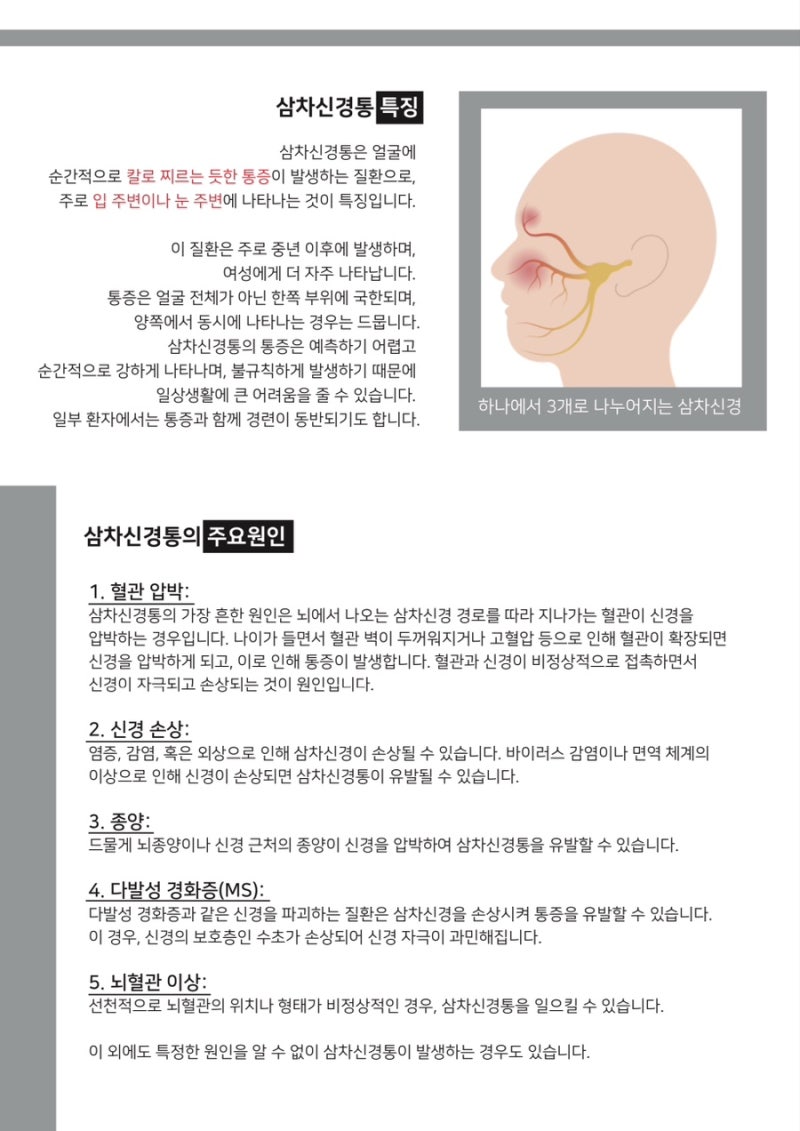
Trigeminal neuralgia is a condition characterized by sudden, knife-like pain in the face, typically appearing around the mouth and eyes. This condition primarily affects people in middle age and older, and is more common in women. The pain is confined to one side of the face, rather than the entire face, and it rarely occurs on both sides simultaneously.
The pain of trigeminal neuralgia is unpredictable, intensely sudden, and occurs irregularly, which can significantly disrupt daily life. Some patients may also experience spasms along with the pain.
Main Causes of Trigeminal Neuralgia 1. Blood Vessel Compression The most common cause of trigeminal neuralgia is when a blood vessel passing along the path of the trigeminal nerve, which originates from the brain, compresses the nerve. As people age, blood vessel walls can thicken, or blood vessels can expand due to high blood pressure, leading to nerve compression and subsequent pain.
The cause is abnormal contact between blood vessels and nerves, leading to nerve irritation and damage. 2. Nerve Damage The trigeminal nerve can be damaged by inflammation, infection, or trauma. Viral infections or immune system abnormalities can damage the nerve, leading to trigeminal neuralgia.
3. Tumors Rarely, brain tumors or tumors near the nerve can compress the nerve, causing trigeminal neuralgia. 4. Multiple Sclerosis (MS) Diseases that destroy nerves, such as multiple sclerosis, can damage the trigeminal nerve and cause pain. In such cases, the myelin sheath, the protective layer of the nerve, is damaged, making the nerve hypersensitive to stimulation.
5. Cerebrovascular Abnormalities If the position or shape of cerebral blood vessels is congenitally abnormal, it can cause trigeminal neuralgia. In addition to these, trigeminal neuralgia can sometimes occur without any identifiable specific cause.
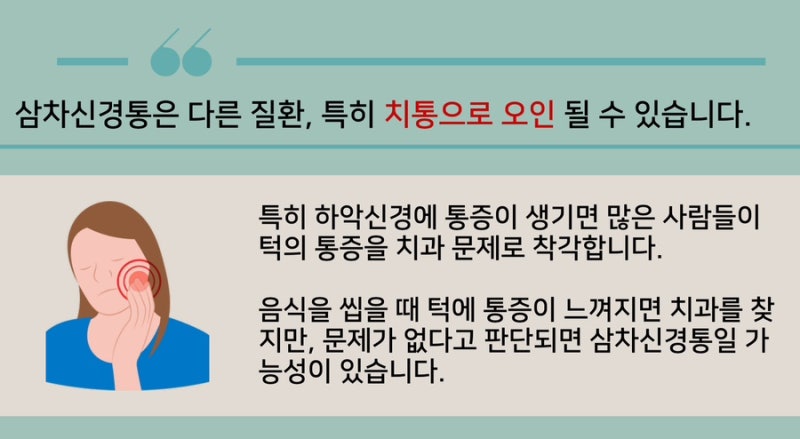
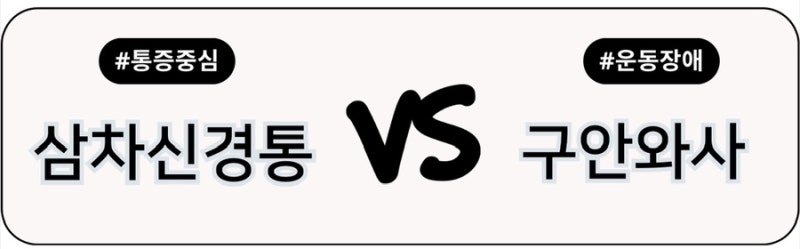
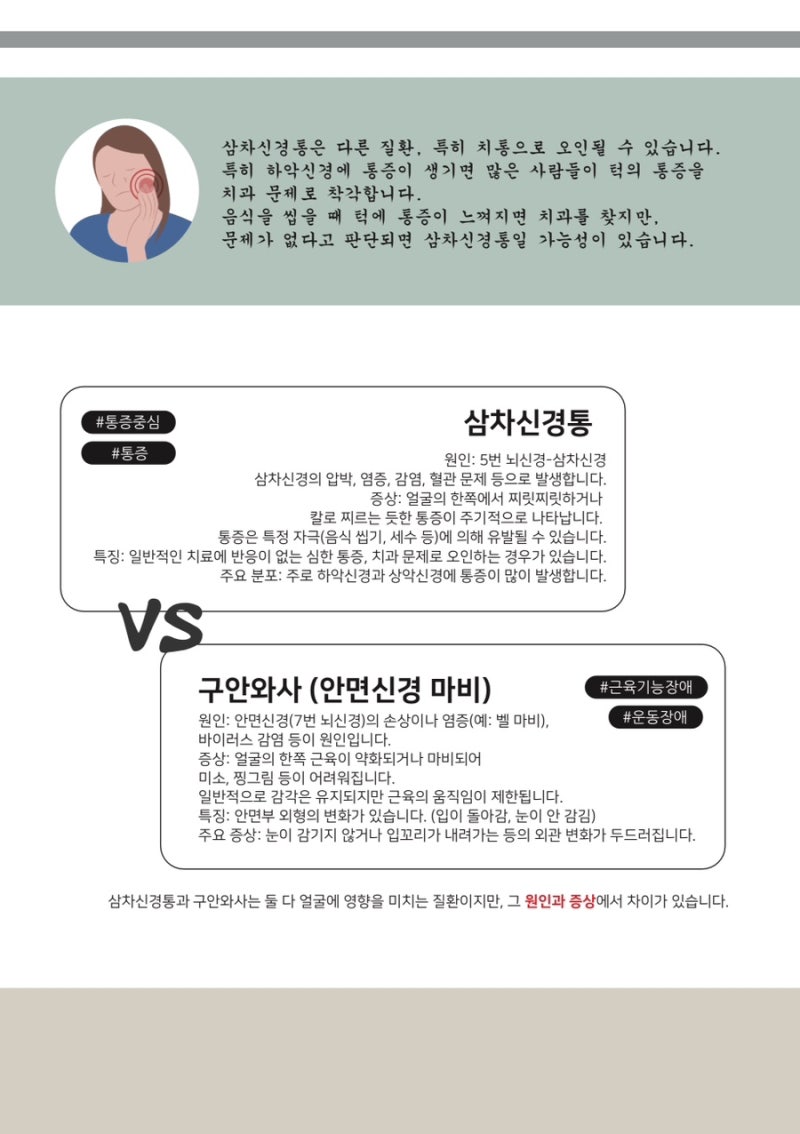
Trigeminal Neuralgia Cause: Trigeminal Neuralgia Cause: The 5th cranial nerve – trigeminal nerve. It occurs due to compression, inflammation, infection, or vascular problems of the trigeminal nerve. Symptoms: Periodic, sharp or knife-like pain occurs on one side of the face. The pain can be triggered by specific stimuli (e.g., chewing food, washing face).
Characteristics: Severe pain unresponsive to conventional treatment, often mistaken for dental problems. Main distribution: Pain primarily occurs in the mandibular and maxillary nerves. Bell’s Palsy (Facial Nerve Paralysis) Cause: Damage or inflammation of the facial nerve (7th cranial nerve) (e.g., Bell’s palsy), viral infection, etc.
Symptoms: Weakness or paralysis of muscles on one side of the face, making it difficult to smile or frown. Sensation is generally maintained, but muscle movement is restricted. Characteristics: Changes in facial appearance (e.g., mouth drooping, inability to close eye). Main symptoms: Prominent changes in appearance, such as inability to close the eye or drooping of the corner of the mouth.
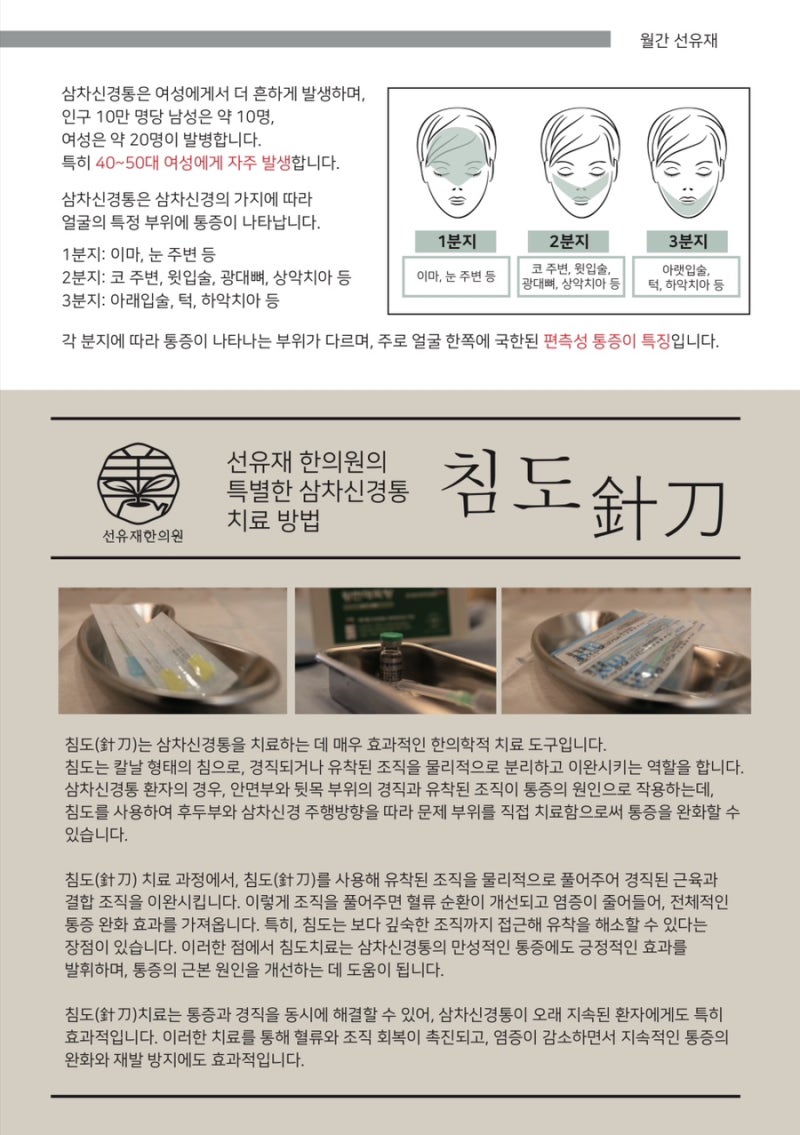
Trigeminal neuralgia is more common in women, with approximately 10 men and 20 women per 100,000 people developing the condition. It particularly affects women in their 40s and 50s.
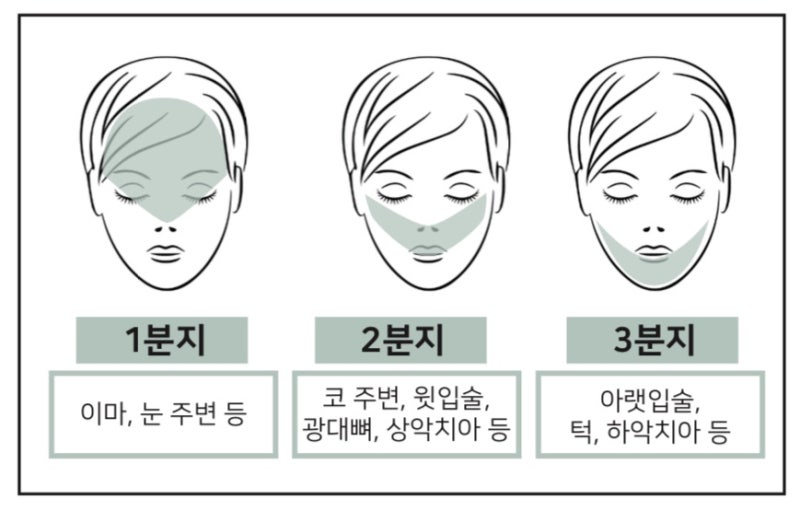
-Trigeminal neuralgia causes pain in specific areas of the face depending on the branches of the trigeminal nerve. Ophthalmic branch (V1): Forehead, around the eyes, etc. Maxillary branch (V2): Around the nose, upper lip, cheekbones, maxillary teeth, etc. Mandibular branch (V3): Lower lip, chin, mandibular teeth, etc. The area of pain differs for each branch, and it is typically characterized by unilateral pain confined to one side of the face.
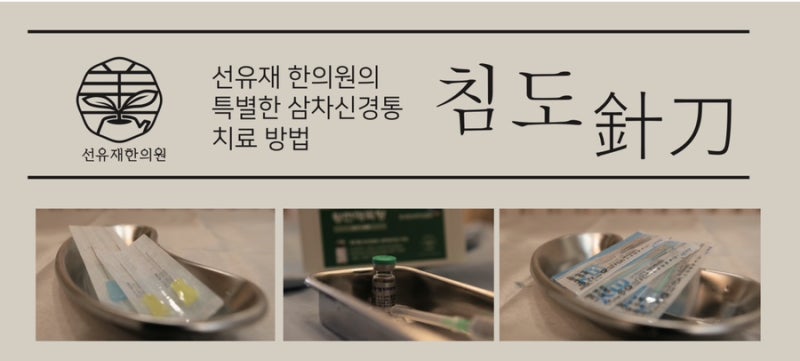
Acupotomy is a highly effective Korean medicine treatment tool for trigeminal neuralgia. Acupotomy is a needle with a blade-like tip that physically separates and relaxes stiff or adhered tissues. In patients with trigeminal neuralgia, stiffness and adhered tissues in the facial and neck areas act as a cause of pain. Acupotomy can be used to directly treat the problematic areas along the occipital region and the course of the trigeminal nerve, thereby alleviating pain.
During acupotomy treatment, the acupotomy needle is used to physically release adhered tissues, relaxing stiff muscles and connective tissues. Releasing these tissues improves blood circulation and reduces inflammation, leading to an overall pain-relieving effect. In particular, acupotomy has the advantage of being able to access deeper tissues to resolve adhesions. In this regard, acupotomy treatment has a positive effect on chronic pain from trigeminal neuralgia and helps improve the fundamental cause of the pain.
Acupotomy treatment is effective in resolving both pain and stiffness simultaneously, making it particularly beneficial for patients with long-standing trigeminal neuralgia. Through this treatment, blood flow and tissue recovery are promoted, and inflammation is reduced, which is effective in alleviating persistent pain and preventing recurrence. Sunyujae Korean Medicine Clinic will always be a reliable partner for the healthy lives of those who visit us.
Our Sunyujae Korean Medicine Clinic offers various Korean medicine treatments and personalized care to help patients recover their health and alleviate symptoms. If you have any further questions about our treatment categories, please feel free to contact us at any time. If you have any questions about Sunyujae Korean Medicine Clinic’s treatments, please add us as a ‘friend’ on our Kakao Channel and feel free to inquire via KakaoTalk or phone. Sunyujae Korean Medicine Clinic in Dongcheon-dong pursues evidence-based medicine and integrative medicine.
This post was written directly by the medical staff of Sunyujae Korean Medicine Clinic to provide medical information, in compliance with Article 56(2) and Article 57(3) of the Medical Service Act. The duration and outcome of treatment may vary from person to person, so please consult a qualified practitioner before beginning treatment.
Consultation & Booking
Have questions? Reach us anytime via KakaoTalk or phone.