September is bringing a change to the morning and evening air. As the seasons change, some people tell us that they wake up feeling unrefreshed, experience unexplained palpitations, or tire easily. Others ask about Gyeongokgo because they are concerned about their parents’ or family members’ stamina.
We have prepared the September 2026 issue of Monthly Sunyujae so that you can revisit the explanations you heard in the consultation room and read them at your own pace at home.
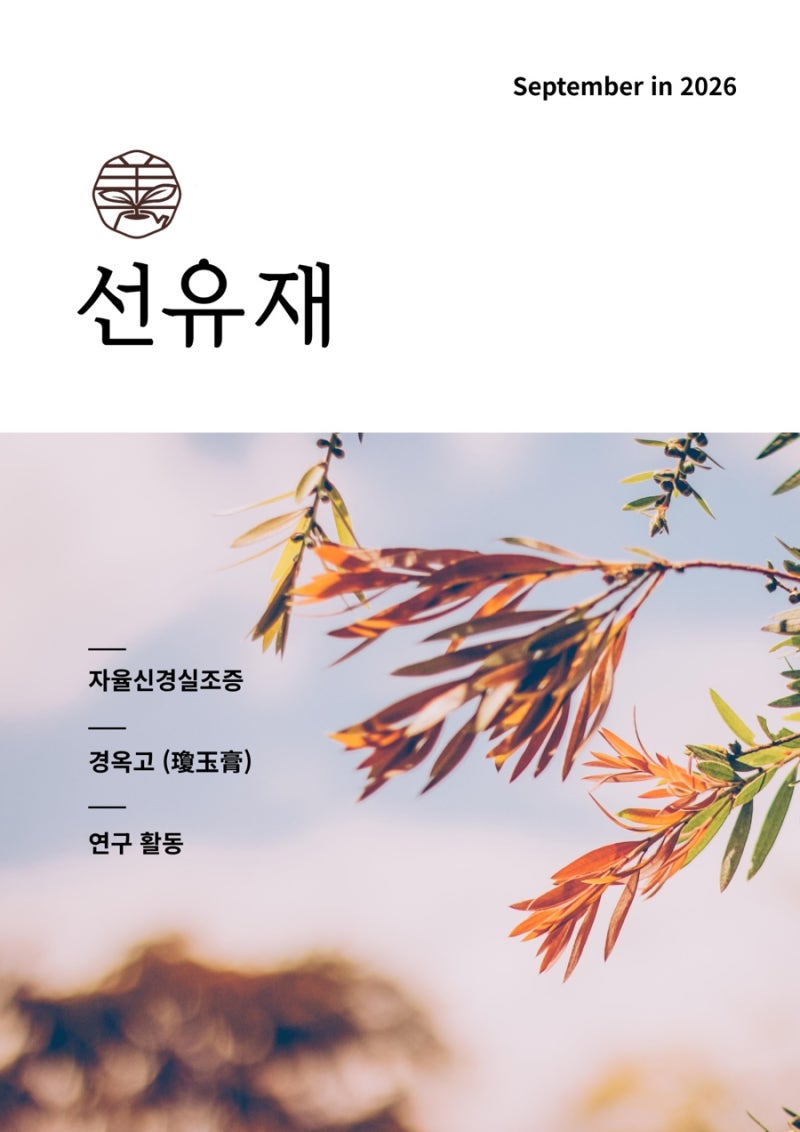
This issue features autonomic dysfunction, Gyeongokgo, and Dr. Hyocheong Chae’s research activities at the WFAS International Conference.
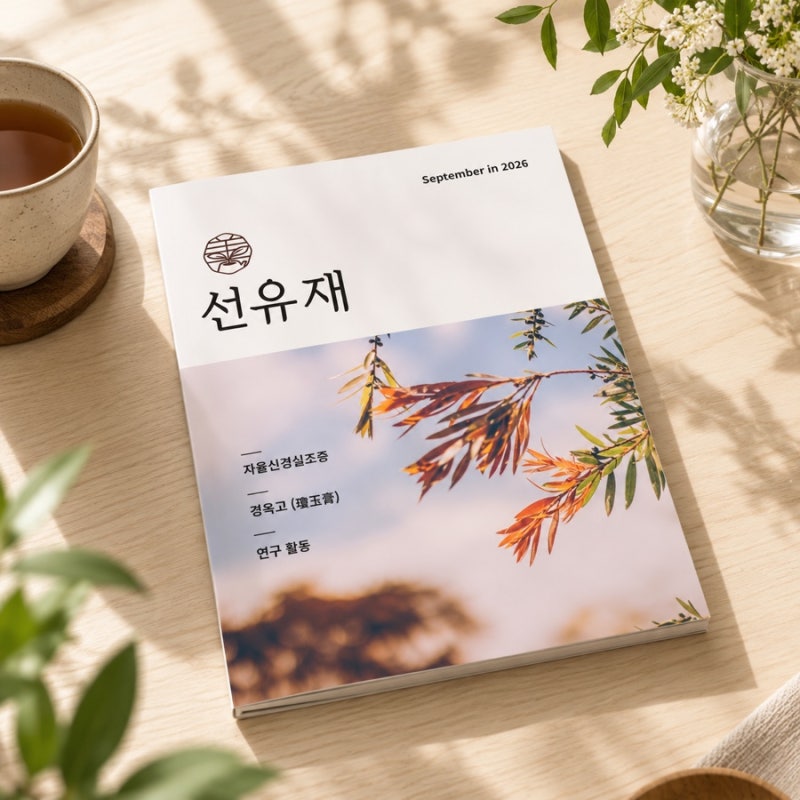
Inside the September Issue of Monthly Sunyujae
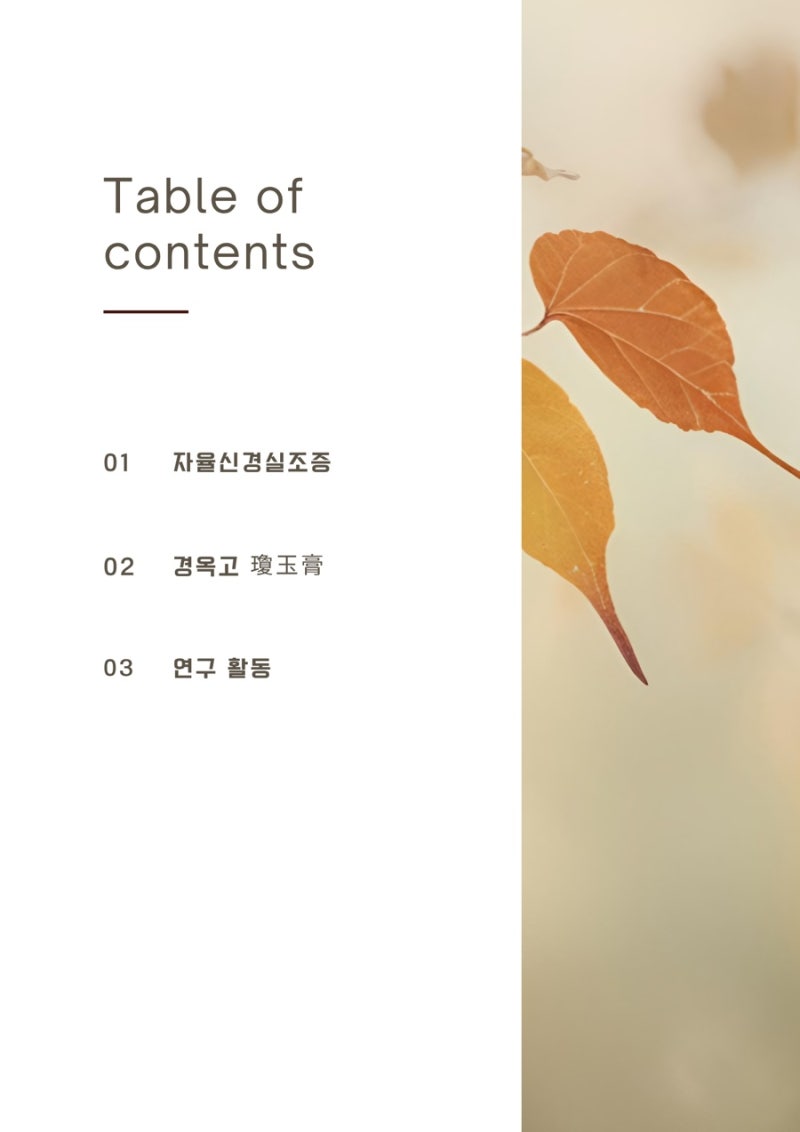
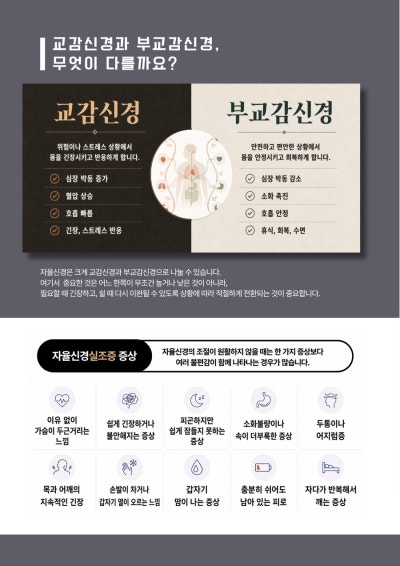
- 01. Autonomic Dysfunction — How the autonomic nervous system relates to palpitations, sleep, digestion, and other symptoms
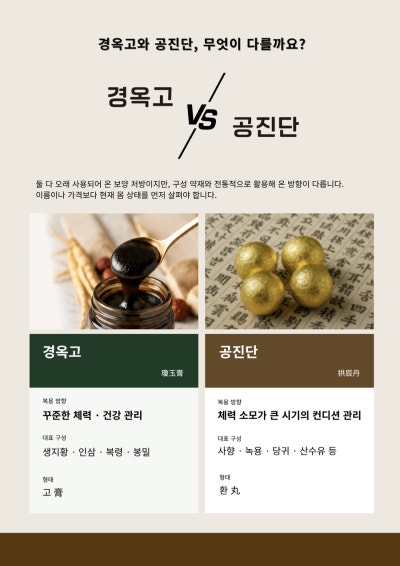
- 02. Gyeongokgo — Historical records, ingredients, and how it differs from Gongjindan
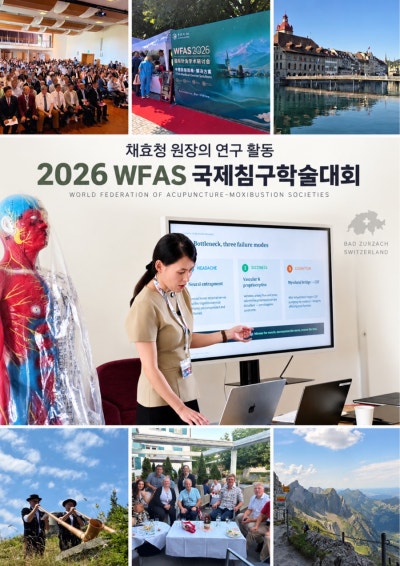
- 03. Research Activities — Dr. Hyocheong Chae’s acupotomy research presentation at the 2026 WFAS International Conference
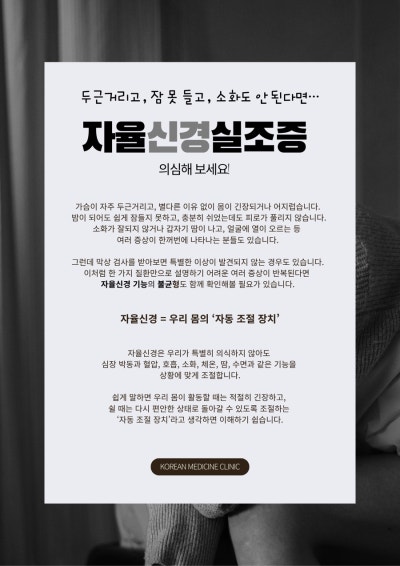
01. Could Frequent Palpitations and Restless Sleep Be Related to the Autonomic Nervous System?
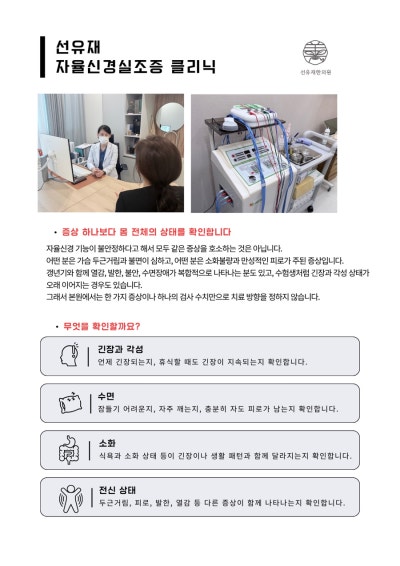
Palpitations, sleep disturbances, indigestion, and sweating can occur in relation to autonomic function. However, these symptoms alone do not establish that an autonomic problem is the cause.
“My tests show nothing unusual, but my heart keeps racing.” “I wake up often at night and still feel tired in the morning.” “When I’m tense, I seem to have trouble digesting food.” These are some of the concerns people share with us during consultations.
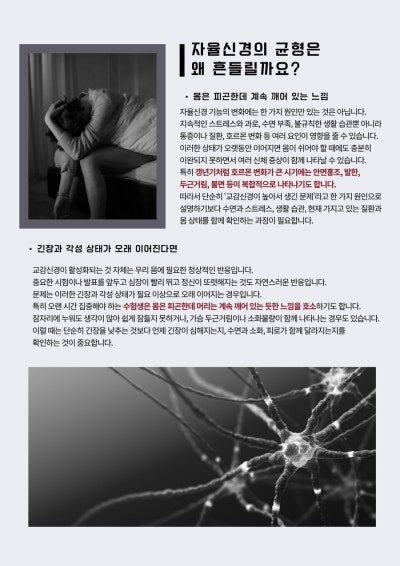
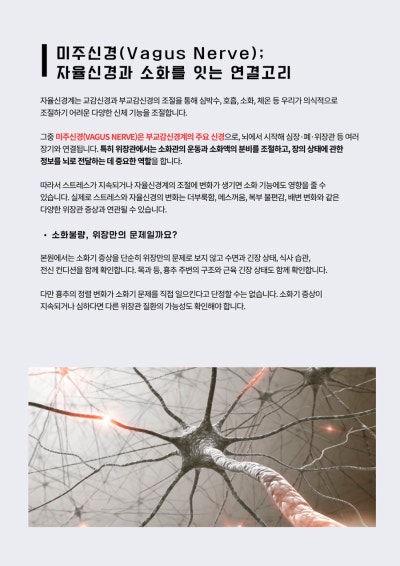
The autonomic nervous system helps regulate bodily functions such as heart rate, digestion, and sweating without our having to control each one consciously. Stress, overwork, insufficient sleep, irregular routines, pain, and hormonal changes can influence symptoms related to autonomic regulation.
When several symptoms occur together, it is helpful to look beyond any single complaint. We consider when the symptoms began, sleep patterns, eating and digestion, and any recent changes in daily routines.
The September issue of Monthly Sunyujae explains the role of the autonomic nervous system, commonly reported symptoms, and the factors considered when assessing a person’s current condition.
02. Gyeongokgo: What Do Historical Records Tell Us?
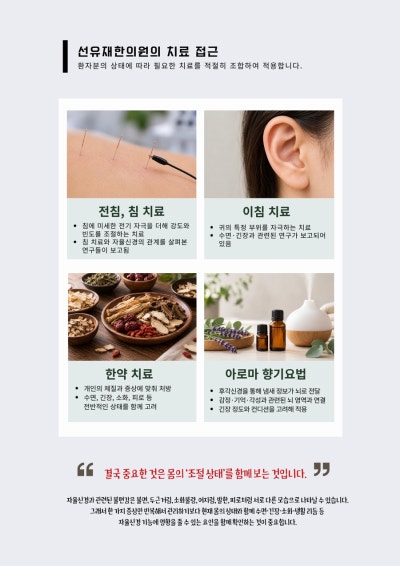
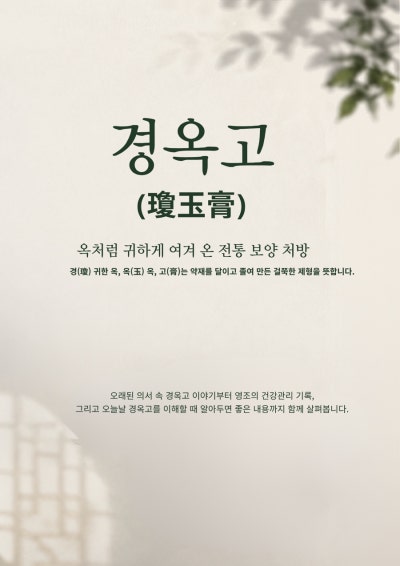
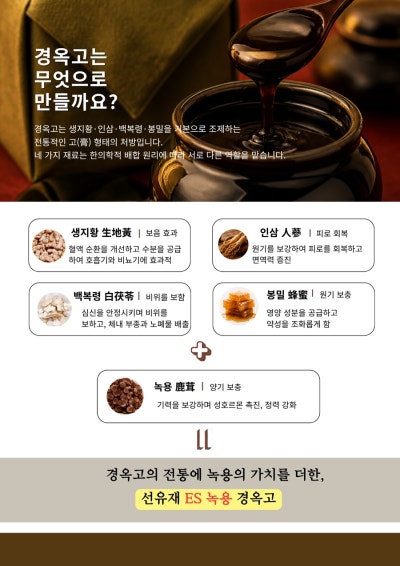
Gyeongokgo is a traditional restorative herbal formula based on fresh rehmannia root, ginseng, white poria, and honey.
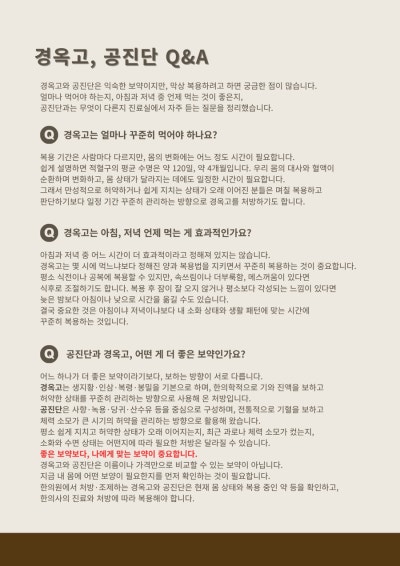
We often hear questions such as: “Which ingredients are used in Gyeongokgo?” “How is it different from Gongjindan?” “Would it be suitable for my parents?”
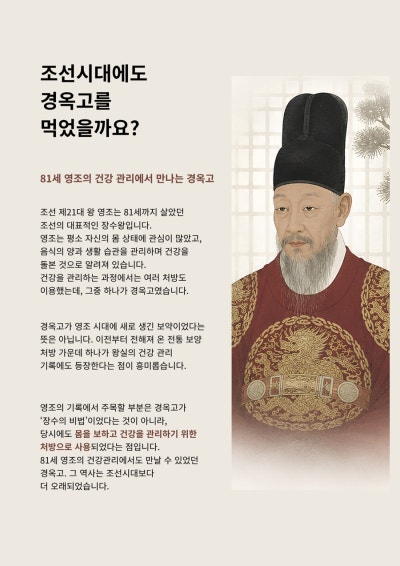
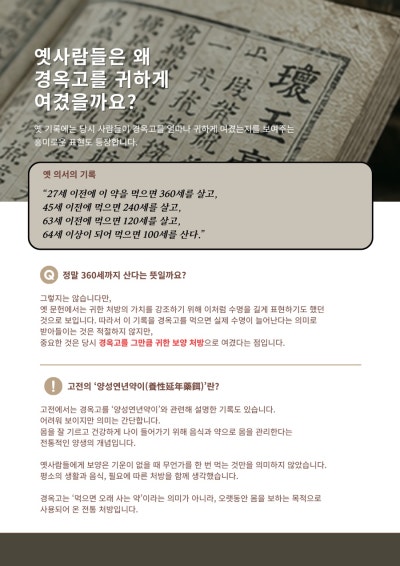
This issue goes beyond listing the ingredients. We begin with descriptions of Gyeongokgo in historical medical texts and its use during the Joseon period. We also discuss points worth knowing when considering Gyeongokgo today, along with Sunyujae Korean Medicine Clinic’s ES Deer Antler Velvet Gyeongokgo.
Gyeongokgo and Gongjindan are different formulas with different ingredients and dosage forms.
Rather than simply deciding that one is better, it is important to consider the pattern of fatigue, stamina, sleep, and digestion, and choose according to the person’s current condition.
A restorative herbal formula is not equally necessary for everyone. Current medications and health conditions should also be reviewed when deciding whether to take one and which prescription may be appropriate.
03. Acupotomy Research from Switzerland: The WFAS International Conference
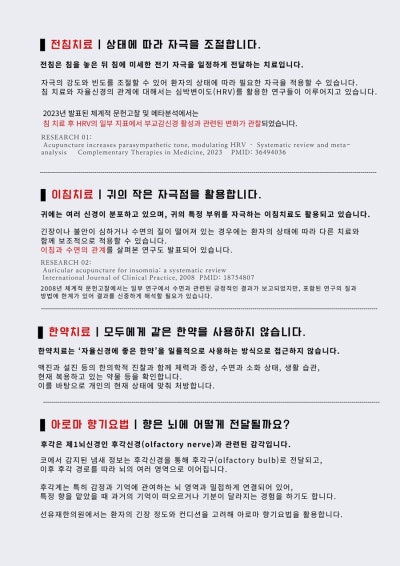
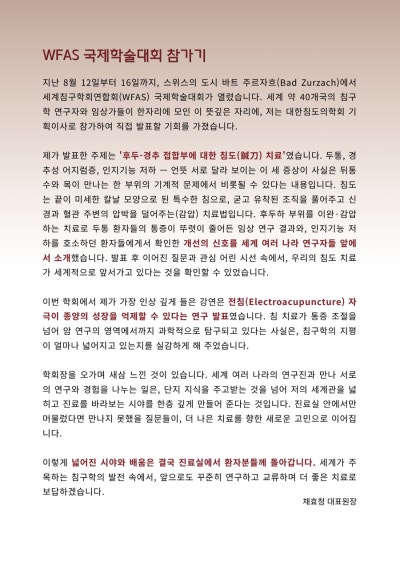
The third feature in the September issue covers Dr. Hyocheong Chae’s participation in the 2026 WFAS International Acupuncture and Moxibustion Conference. At the World Federation of Acupuncture-Moxibustion Societies (WFAS) International Conference, held in Bad Zurzach, Switzerland, from August 12 to 16, 2026, Dr. Chae attended as Director of Planning of the Korean Medical Society of Acupotomy and presented research on “Acupotomy Treatment for the Occipito-Cervical Junction.”
The presentation explored possible links between headache, cervicogenic dizziness, cognitive impairment, and mechanical problems at the occipito-cervical junction. It also introduced findings from clinical research on acupotomy treatment in this region.
In addition to presenting, Dr. Chae listened to research from other countries and exchanged views with fellow researchers.
These academic activities involve more than introducing new treatments. They also provide an opportunity to examine anatomical structures and research findings, and to consider how to assess each patient’s condition more carefully in clinical practice.
Monthly Sunyujae is a Korean medicine health information magazine available inside Sunyujae Korean Medicine Clinic; it is not sold. Visitors are welcome to read it while waiting or before and after a consultation. Its contents are also being introduced gradually on the clinic’s blog.
Feel free to revisit it when you want to review an explanation from your consultation or share the information with your family.
The September 2026 issue brings together autonomic dysfunction and the body’s regulation, the long history of Gyeongokgo, and research activities at the WFAS International Conference in Switzerland.
Prepared for the beginning of autumn, the September issue of Monthly Sunyujae is ready for you to browse when you visit the clinic.
We will continue to explain topics frequently discussed in our consultation room in accessible language, drawing on evidence-based medicine and integrative medicine.
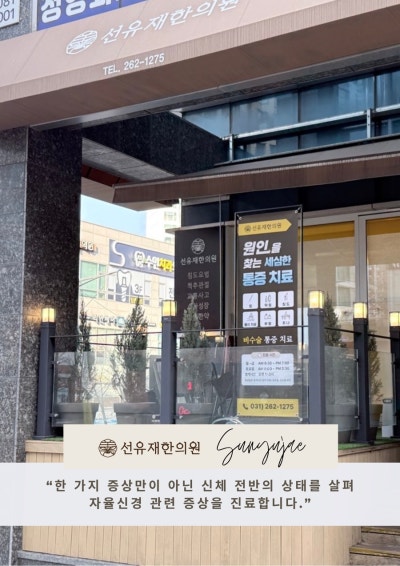
Sunyujae Korean Medicine Clinic — a place where kindness stays.
We invite you to join Sunyujae Korean Medicine Clinic as we share useful information for a healthy life.
This post was written directly by the medical staff of Sunyujae Korean Medicine Clinic to provide medical information, in compliance with Article 56(2) and Article 57(3) of the Medical Service Act. The duration and outcome of treatment may vary from person to person, so please consult a qualified practitioner before beginning treatment.
Consultation & Booking
Have questions? Reach us anytime via KakaoTalk or phone.