
“After lunch, my stomach gets so full that I want to unbutton my pants.”
“Even after going to the restroom, I don’t feel relieved, and my stomach feels bloated all afternoon.”
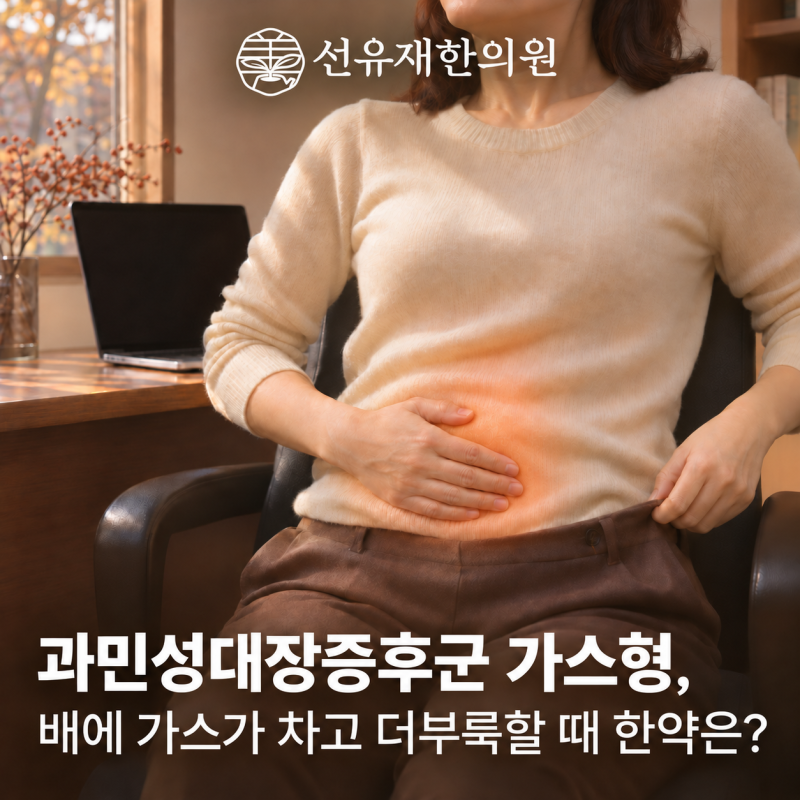
If you’ve been experiencing a gassy and bloated feeling in your stomach for several months, it could be what is commonly called the ‘gas-type’ of Irritable Bowel Syndrome (IBS).
IBS gas-type refers to cases where gas and bloating are particularly prominent along with abdominal pain. In Korean medicine, even the same bloating is categorized according to the body’s specific patterns, and the direction of herbal medicine treatment is determined accordingly. Some days, you might feel fine in the morning, but your stomach swells after lunch, and your belt feels tight by evening. If you found yourself relating to ‘gassy and bloated’ in the self-diagnosis from our previous post, then this article is for you.
At a Glance
| Category | Description |
|---|---|
| What is it? | IBS gas-type refers to cases where gas and abdominal distension are prominent along with abdominal pain. |
| Why does it occur? | An overly sensitive intestine perceives gas produced by fermentation in the gut more intensely, leading to increased discomfort after meals or in the afternoon. |
| Sunyujae Korean Medicine Clinic Treatment | We categorize the causes of bloating, such as Qi Stagnation (기기울체), Spleen and Stomach Deficiency (비위허약), and Blood Stasis in the Intestines (어조장락), to prescribe personalized herbal medicine, and use acupuncture if necessary. |
IBS Gas-Type: What Other Discomforts Accompany It?
IBS gas-type refers to a condition where a full and bloated feeling, along with abdominal distension, recurs with abdominal pain. ‘Gas-type’ is not a fixed diagnostic term, but rather a common way to refer to individuals who suffer most from gas and bloating among various symptoms. Therefore, it’s common for several discomforts to appear together, rather than just gas alone.
After meals or in the afternoon, the abdomen may swell, stools may become hard leading to difficult bowel movements, or diarrhea and constipation may alternate. A feeling of incomplete evacuation may persist even after going to the restroom, and while some people experience reduced abdominal pain after bowel movements, others may feel even more uncomfortable.
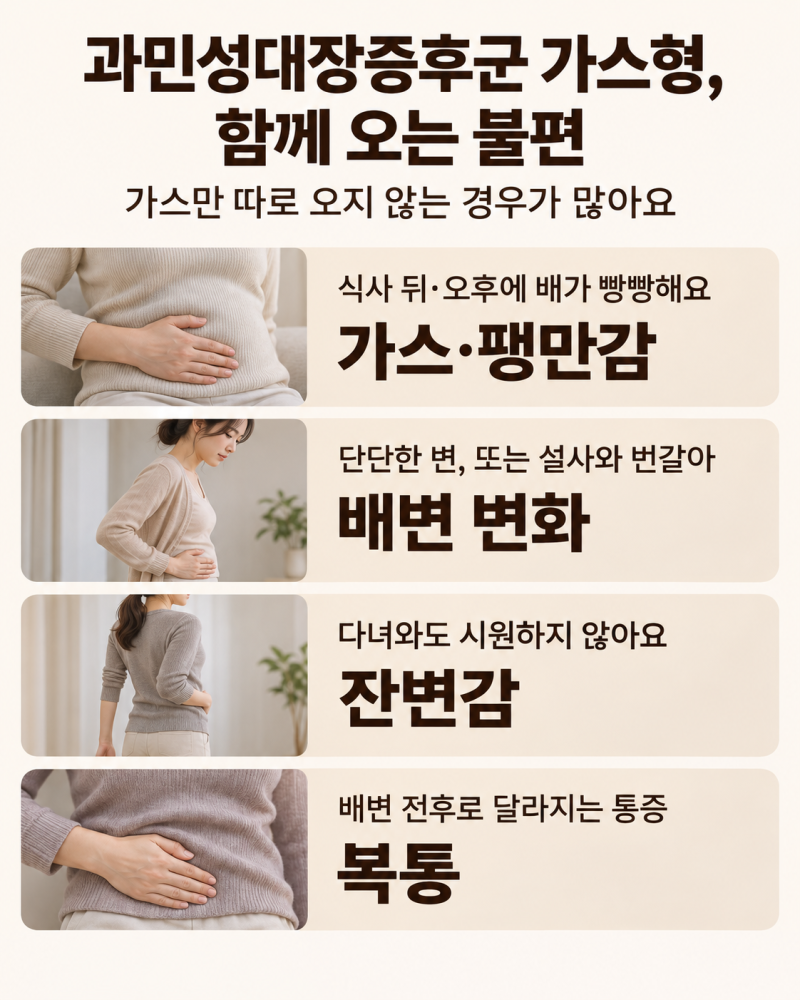
The starting point of diagnosis is not just gas, but how abdominal pain, stool consistency, and incomplete evacuation interact.
What Causes Gas in the Abdomen?
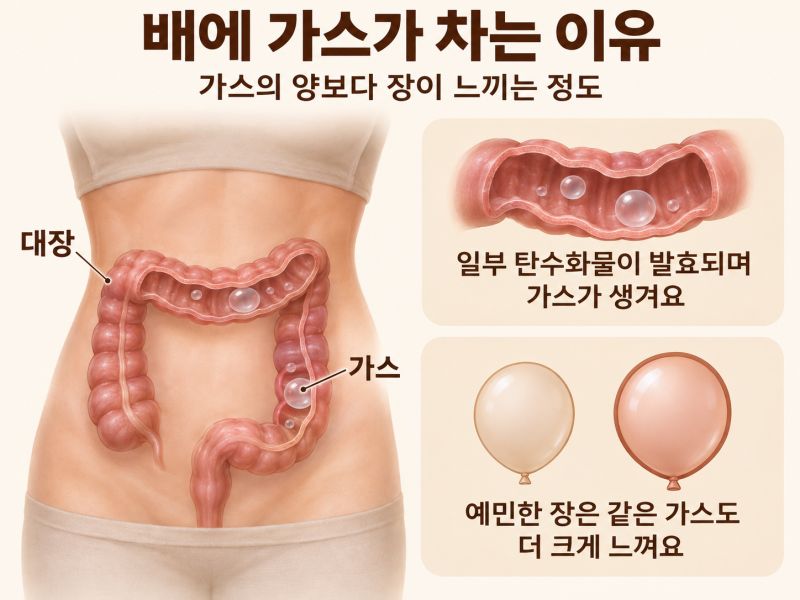
In Irritable Bowel Syndrome, the distress caused by gas is more related to how sensitively the intestine perceives changes rather than the sheer volume of gas. When food is consumed, the intestines move to propel its contents downwards.
At this time, some carbohydrates are not fully absorbed and remain in the intestines, drawing in water or being fermented by gut bacteria, producing gas. While this process occurs in everyone, individuals with sensitive intestines may feel their abdomen swell and ache as if it’s about to burst, even with the same amount of gas.
To put it simply, it’s similar to how a balloon made of thin rubber feels tighter than one of the same size made of thicker rubber.
This difference explains why some people are fine after eating the same food, while others experience bloating all afternoon. The process by which tension makes the intestines more sensitive was covered in detail in our previous article.

The Same Bloating: How Does Korean Medicine Categorize It?
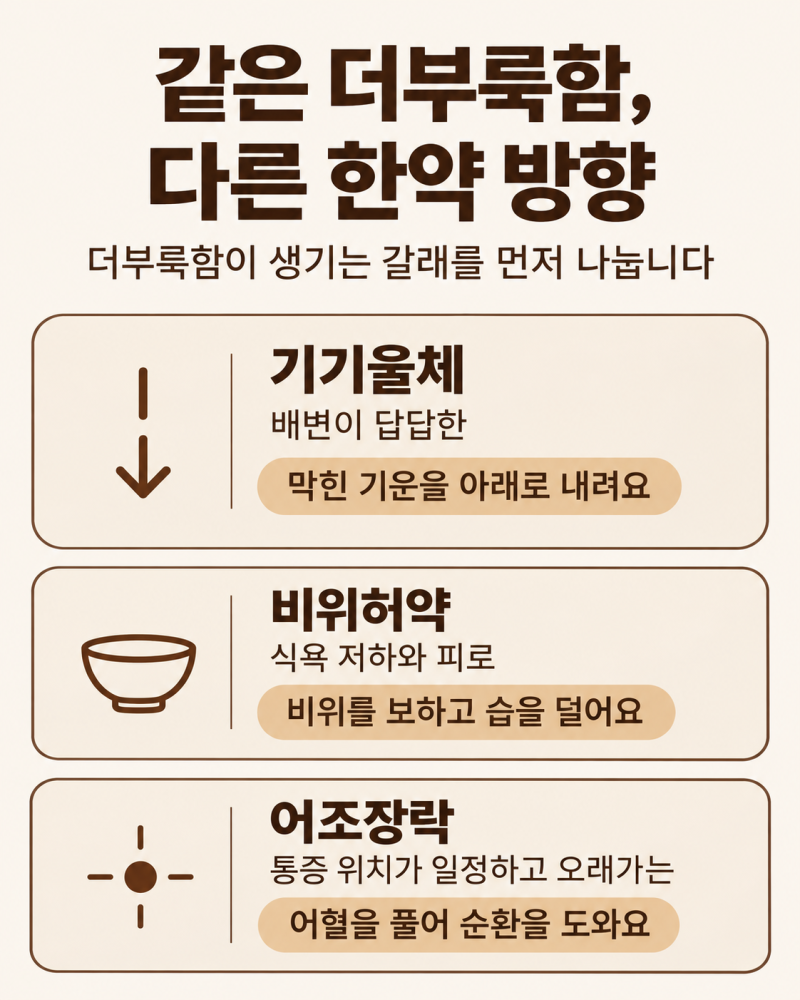
In Korean medicine, IBS gas-type is not viewed as a single condition; instead, the body’s patterns are categorized based on the underlying cause of bloating. In Korean medicine diagnosis, we examine bowel patterns along with appetite, fatigue, sensitivity to cold, and the location and duration of pain.
If gas, bloating, and difficult bowel movements are present, we first examine for Qi Stagnation (氣機鬱滯), where the flow of vital energy is blocked. Additionally, we consider two other patterns based on appetite, fatigue, and the location of persistent pain.
| Pattern | Common Manifestations |
|---|---|
| Qi Stagnation (氣機鬱滯) | We observe difficult bowel movements. |
| Spleen and Stomach Deficiency (脾胃虛弱) | We observe reduced appetite and fatigue. |
| Blood Stasis in the Intestines (瘀阻腸絡) | We observe pain that is fixed in location and long-lasting. |
In Korean medicine, the Spleen and Stomach (脾胃) is a concept that describes the functions of digestion and distributing vital energy obtained from food, and Spleen and Stomach Deficiency (脾胃虛弱) refers to a weakened state of these functions.
Blood Stasis in the Intestines (瘀阻腸絡) is a pattern we consider when the painful area is consistently similar and discomfort persists for a long time. Liver-Spleen Disharmony, which worsens with tension, was discussed in a previous article.
Since each person is different and multiple types can overlap, we first examine the most prominent symptoms during diagnosis.
What Herbal Medicine is Used for IBS Gas-Type?
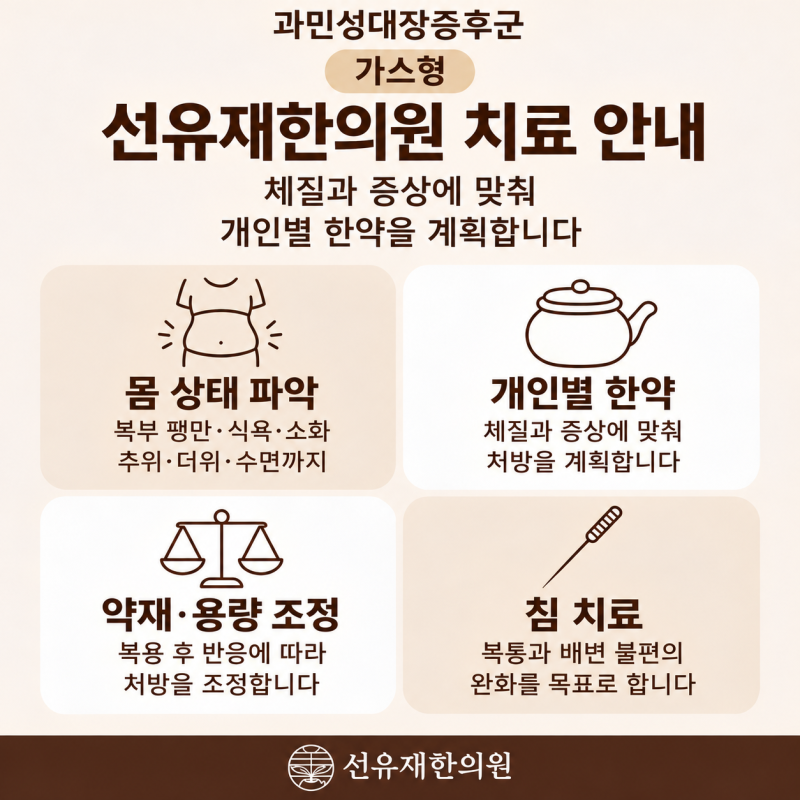
Sunyujae Korean Medicine Clinic plans personalized herbal medicine prescriptions for IBS gas-type, tailored to the individual’s constitution and symptoms. This is because even with the same IBS, the patterns of diarrhea and constipation, and the circumstances under which abdominal pain appears, vary from person to person.
If Qi Stagnation is prominent, the prescription focuses on helping the intestines move contents and gas downwards by clearing the blocked vital energy.
If Spleen and Stomach Deficiency is also observed, the treatment aims to strengthen the weakened Spleen and Stomach while reducing dampness accumulated in the abdomen. For chronic gas-type IBS with accompanying Blood Stasis in the Intestines, herbs that resolve stagnant blood and promote circulation are added.
In diagnosis, we assess not only abdominal pain and bowel movements but also abdominal distension, appetite and digestion, sensitivity to cold or heat, and sleep patterns to understand the constitutional characteristics and overall body condition.
Based on this, a prescription is formulated, and the herbs and dosages are adjusted according to the response after administration. We also consider any medications being taken and existing medical conditions when planning treatment. Herbal medicine prescriptions may vary depending on the individual’s constitution and body condition, and will be guided after diagnosis. If necessary, acupuncture treatment is combined, aiming to alleviate abdominal pain and bowel discomfort. The direction and duration of treatment may vary depending on the condition.
If You Experience These Changes Along with Gas
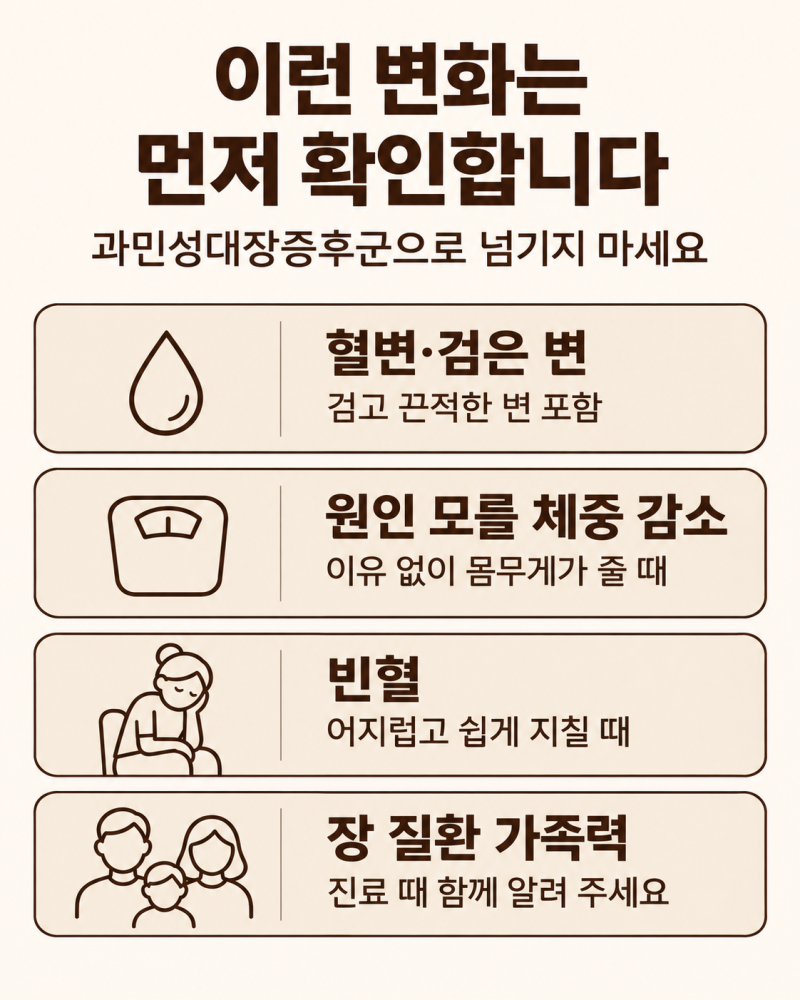
Even if you’ve had chronic gas discomfort, if you notice bloody or black, sticky stools, it should not be dismissed as just IBS. The same applies if you experience unexplained weight loss or anemia, or if there is a family history of intestinal diseases. In such cases, we first assess your condition during diagnosis.
Frequently Asked Questions
Q. Is IBS gas-type also considered Irritable Bowel Syndrome? A. Yes, it’s a common term for cases where gas and bloating are particularly prominent, recurring along with abdominal pain and changes in bowel habits. It’s not a fixed diagnostic term like diarrhea-predominant or constipation-predominant, so in diagnosis, we examine it alongside bowel patterns.
Q. Is there only one cause for Irritable Bowel Syndrome? A. It’s difficult to explain the cause of IBS as a single factor. Various factors can be involved, such as intestinal motility, sensitivity, and changes after enteritis, so in diagnosis, we also examine how symptoms change depending on meals or stressful situations.
If Bloating Has Become Your Daily Life, Start by Understanding Its Pattern
IBS gas-type is more related to how sensitively the intestine perceives changes rather than the sheer volume of gas. Many people worry about their stomach every time they eat or before going out, and have endured it alone. I examine abdominal pain, bowel movements, abdominal distension, and digestive status together to categorize the patterns, and adjust herbal medicine prescriptions by checking the changes after administration. If you’ve already estimated your condition with the self-diagnosis in Part 1, I encourage you to confirm which pattern your bloating aligns with during a consultation.
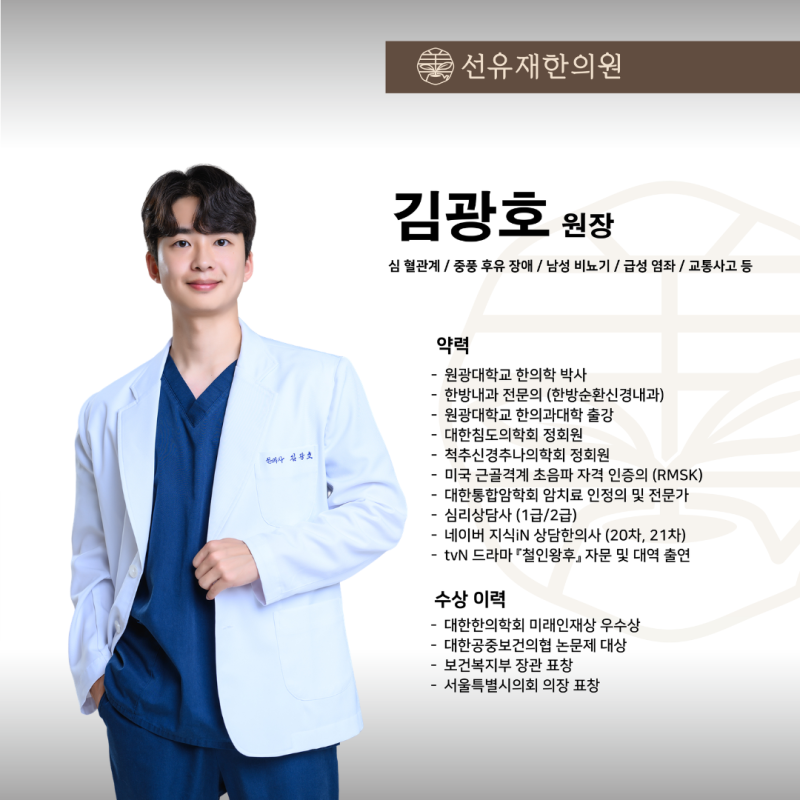
This was Dr. Kwangho Kim of Sunyujae Korean Medicine Clinic, which pursues evidence-based and integrative medicine.
Sunyujae Korean Medicine Clinic in Suji-gu pursues evidence-based and integrative medicine.
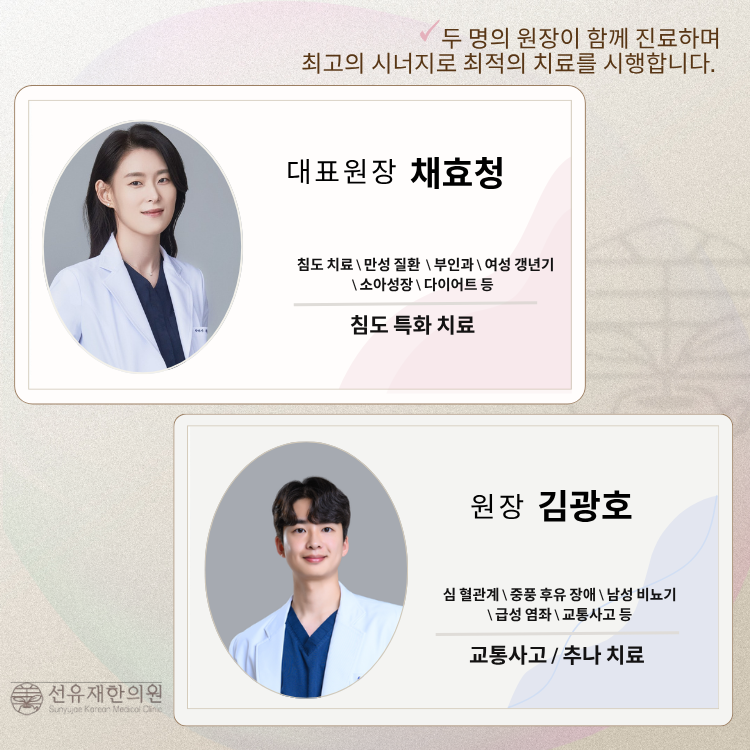
This post was written directly by the medical staff of Sunyujae Korean Medicine Clinic to provide medical information, in compliance with Article 56(2) and Article 57(3) of the Medical Service Act. The duration and outcome of treatment may vary from person to person, so please consult a qualified practitioner before beginning treatment.
Consultation & Booking
Have questions? Reach us anytime via KakaoTalk or phone.