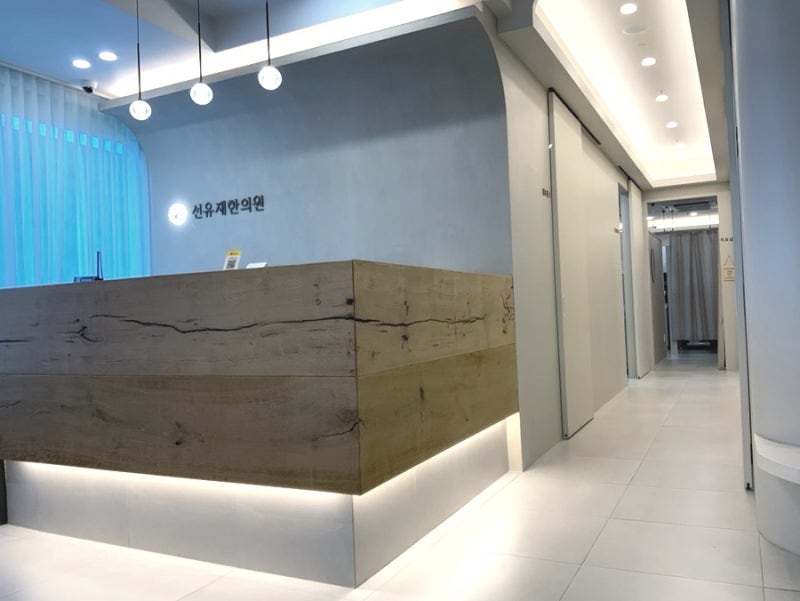
Hello, this is Sunyujae Korean Medicine Clinic, a place where kind hearts reside.

Hello. I am Dr. Hyocheong Chae, director of Sunyujae Korean Medicine Clinic in Suji-gu. In the clinic, I frequently meet patients who visit due to sequelae of cerebrovascular disease.
Many people say, “I thought I was fully recovered after acute treatment,” but in fact, management after the onset of cerebrovascular disease is even more crucial. Stroke (jungpung) often leaves neurological damage along with motor, language, and cognitive impairments as cerebral blood vessels become blocked or rupture. If recovery treatment is not initiated at the appropriate time, nerves can stiffen and muscles can become rigid, making it even more difficult to return to daily life.
In this article, we will examine the recovery stages of cerebrovascular disease, dividing them into acute, subacute, and chronic phases, and specifically discuss the possibility of sequelae recovery through acupotomy treatment.
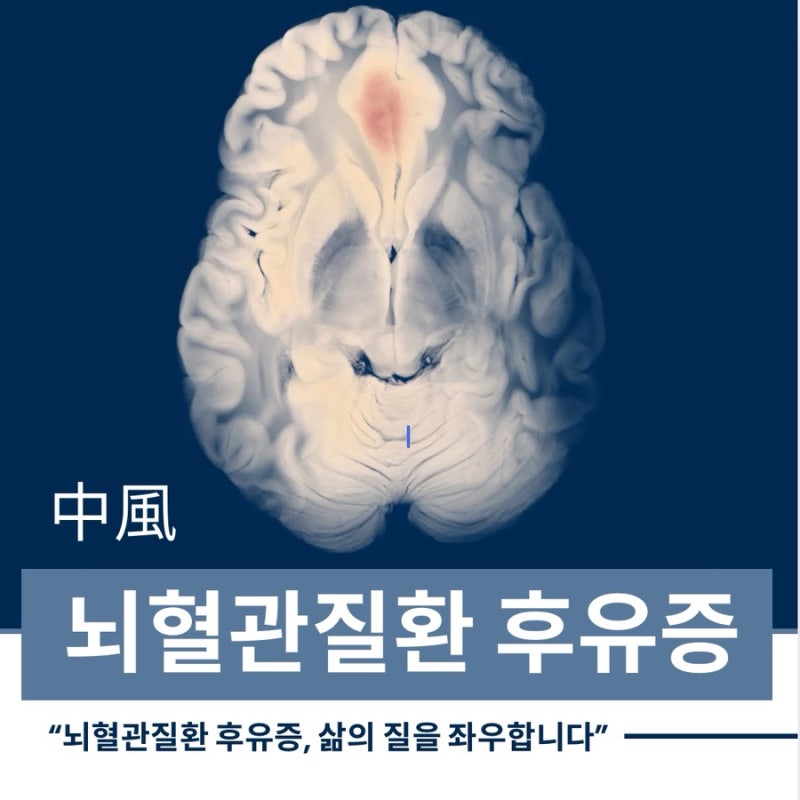
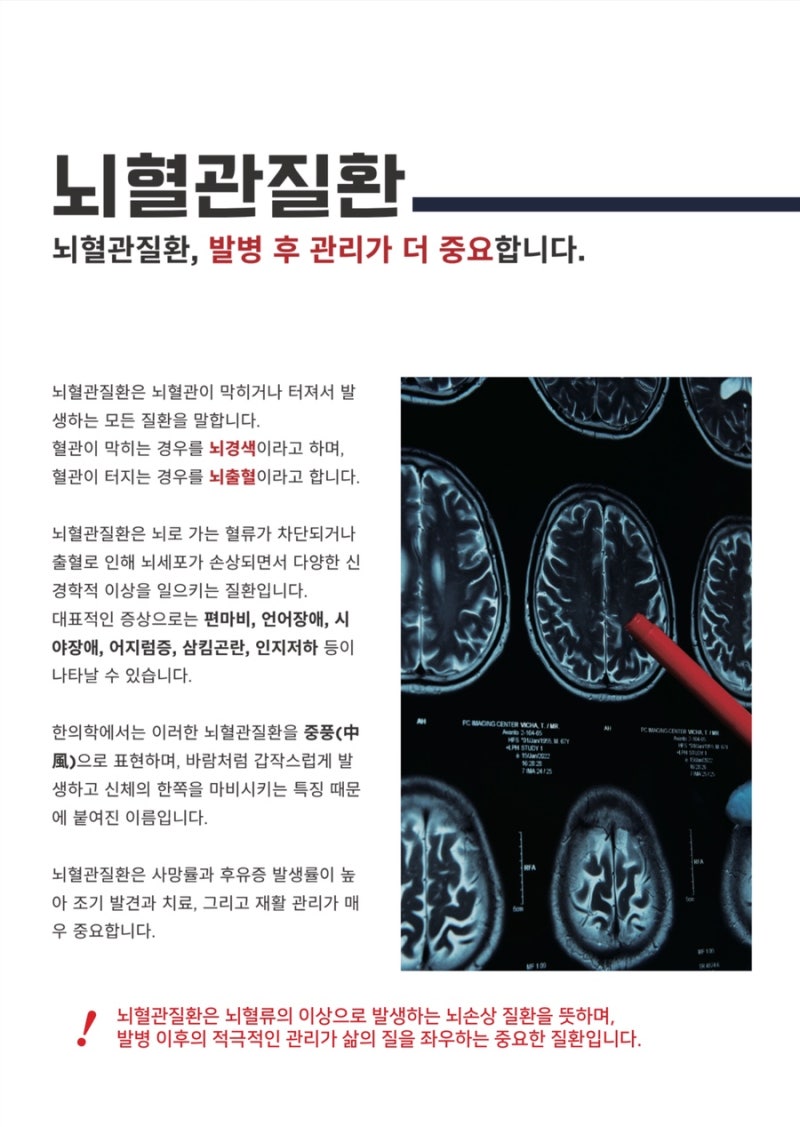
Cerebrovascular disease: Management after onset is more important. Cerebrovascular disease refers to all diseases that occur when cerebral blood vessels are blocked or rupture. When blood vessels are blocked, it is called cerebral infarction, and when blood vessels rupture, it is called cerebral hemorrhage.
Cerebrovascular disease is a condition that causes various neurological abnormalities as brain cells are damaged due to blocked blood flow to the brain or hemorrhage. Representative symptoms may include hemiplegia, speech disorder, visual impairment, dizziness, dysphagia, and cognitive decline. In Korean medicine, such cerebrovascular diseases are referred to as jungpung (中風), a name given because they occur suddenly like wind and paralyze one side of the body.
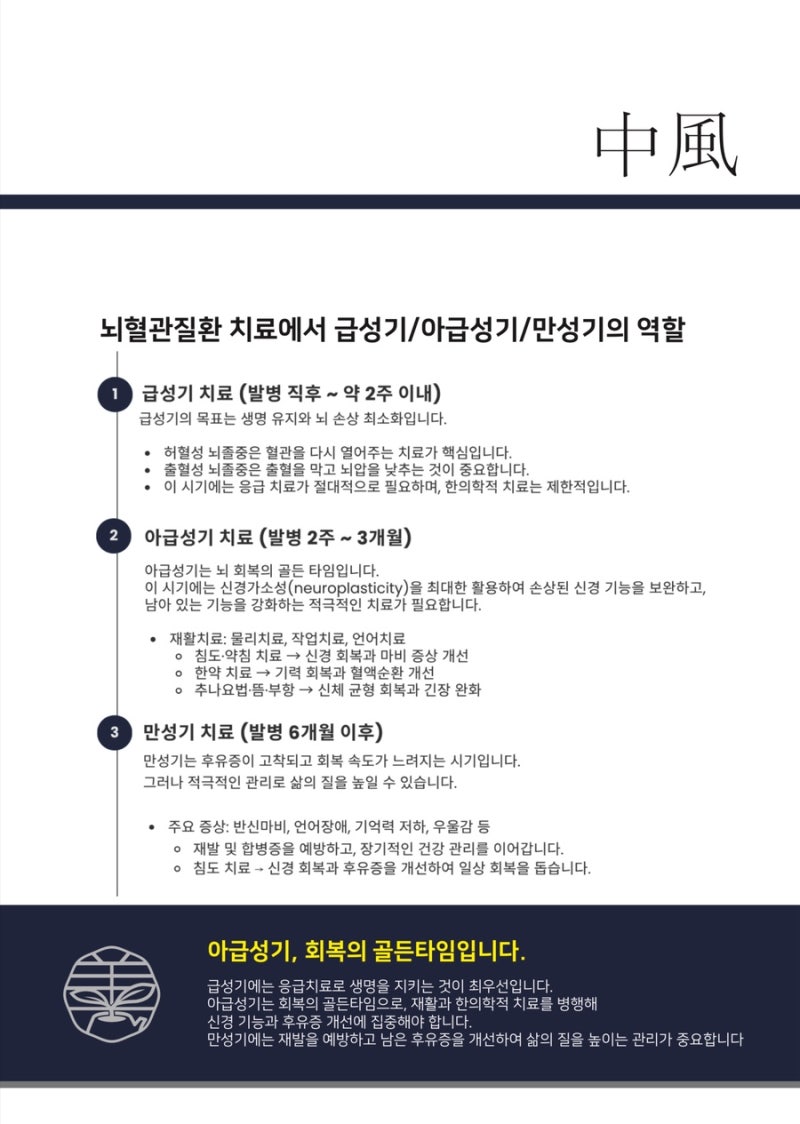
Cerebrovascular disease has high mortality and sequelae rates, making early detection, treatment, and rehabilitation management extremely important. Cerebrovascular disease refers to brain damage caused by abnormalities in cerebral blood flow, and active management after onset is crucial for determining quality of life. The role of acute/subacute/chronic phases in cerebrovascular disease treatment 1. Acute phase treatment (immediately after onset ~ within approximately 2 weeks)
The goal of the acute phase is to sustain life and minimize brain damage. For ischemic stroke, re-opening the blood vessel is key. For hemorrhagic stroke, stopping the bleeding and lowering intracranial pressure are important.
Emergency treatment is absolutely necessary during this period, and Korean medicine treatment is limited. Subacute phase treatment (2 weeks ~ 3 months after onset) The subacute phase is the golden time for brain recovery. During this period, active treatment is needed to maximize neuroplasticity to compensate for damaged nerve functions and strengthen remaining functions.
*Rehabilitation therapy: Physical therapy, occupational therapy, speech therapy * Acupotomy and pharmacopuncture treatment → Nerve recovery and improvement of paralysis symptoms * Herbal medicine treatment → Recovery of vital energy and improvement of blood circulation * Chuna manual therapy, moxibustion, cupping → Restoration of body balance and tension relief Chronic phase treatment (6 months after onset) The chronic phase is when sequelae become fixed and the pace of recovery slows.
However, active management can improve quality of life. *Main symptoms: Hemiplegia, speech disorder, memory impairment, depression, etc. *Prevents recurrence and complications, and continues long-term health management. *Acupotomy treatment ⟶ Aids daily recovery by improving nerve function and sequelae.

The subacute phase is the golden time for recovery. Sunyujae Korean Medicine Clinic in Suji-gu In the acute phase, emergency treatment to save lives is the top priority. The subacute phase is the golden time for recovery, where rehabilitation and Korean medicine treatment should be combined to focus on improving nerve function and sequelae. In the chronic phase, management to maintain remaining functions and improve quality of life is important.
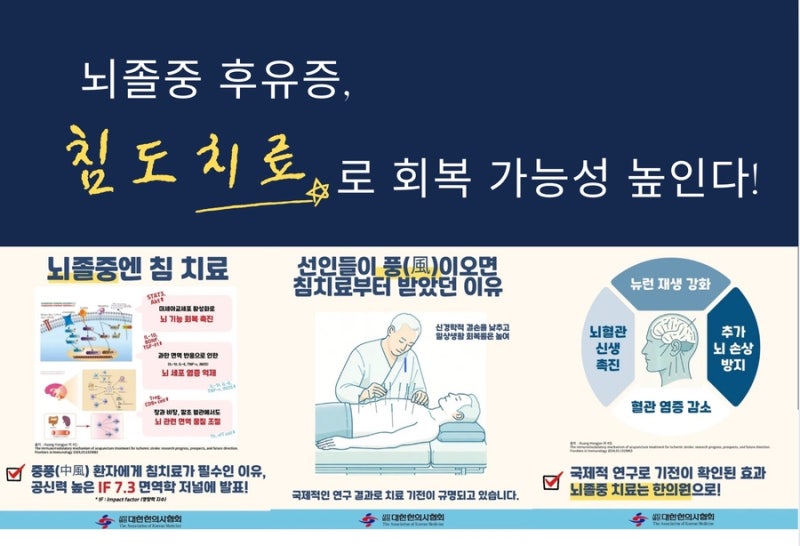
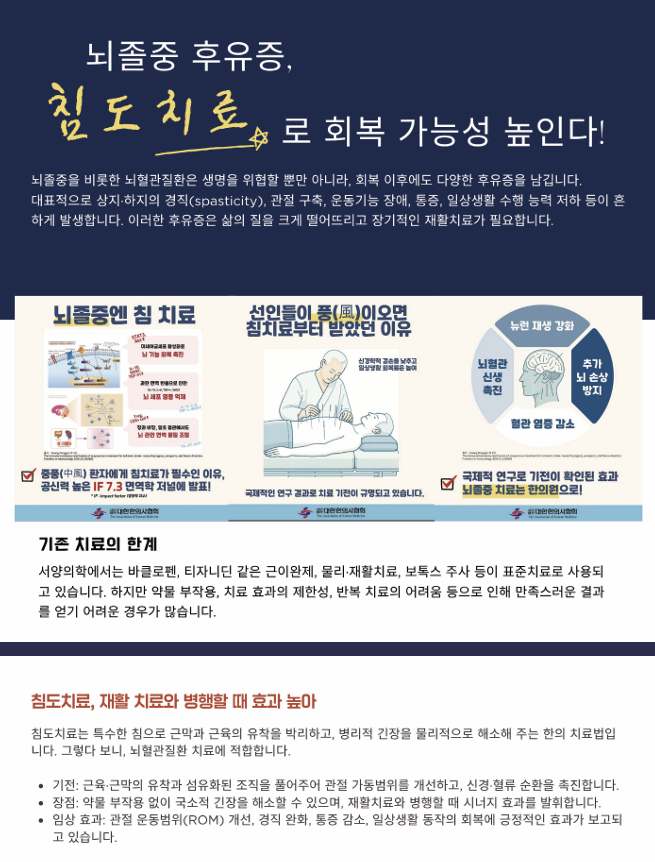
Cerebrovascular diseases, including stroke, not only threaten life but also leave various sequelae after recovery. Commonly, spasticity of the upper and lower limbs, joint contracture, motor dysfunction, pain, and decreased ability to perform daily activities frequently occur. These sequelae significantly reduce the quality of life and require long-term rehabilitation treatment.
Limitations of existing treatments In Western medicine, muscle relaxants like baclofen and tizanidine, physical and rehabilitation therapy, and Botox injections are used as standard treatments. However, due to drug side effects, limited treatment efficacy, and difficulties with repeated treatments, it is often challenging to achieve satisfactory results. Acupotomy treatment, when combined with rehabilitation therapy, shows higher efficacy. Acupotomy is a Korean medicine treatment method that uses a specialized needle to release adhesions in the fascia and muscles and physically relieve pathological tension.
Therefore, it is suitable for the treatment of cerebrovascular disease. * Mechanism: It releases adhesions and fibrotic tissues in muscles and fascia, improving joint range of motion and promoting nerve and blood circulation. *Advantages: It can relieve localized tension without drug side effects and exhibits synergistic effects when combined with rehabilitation therapy. *Clinical effects: Positive effects have been reported in improving joint range of motion (ROM), alleviating spasticity, reducing pain, and restoring activities of daily living.
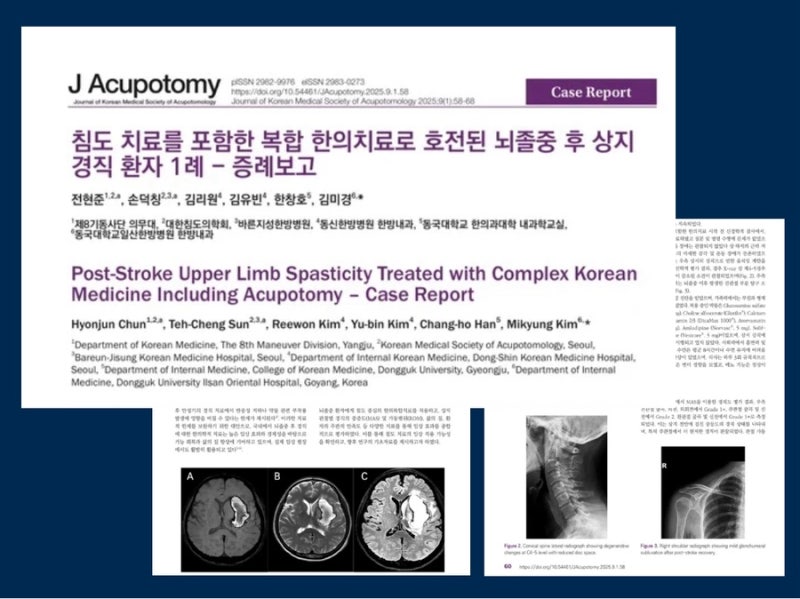
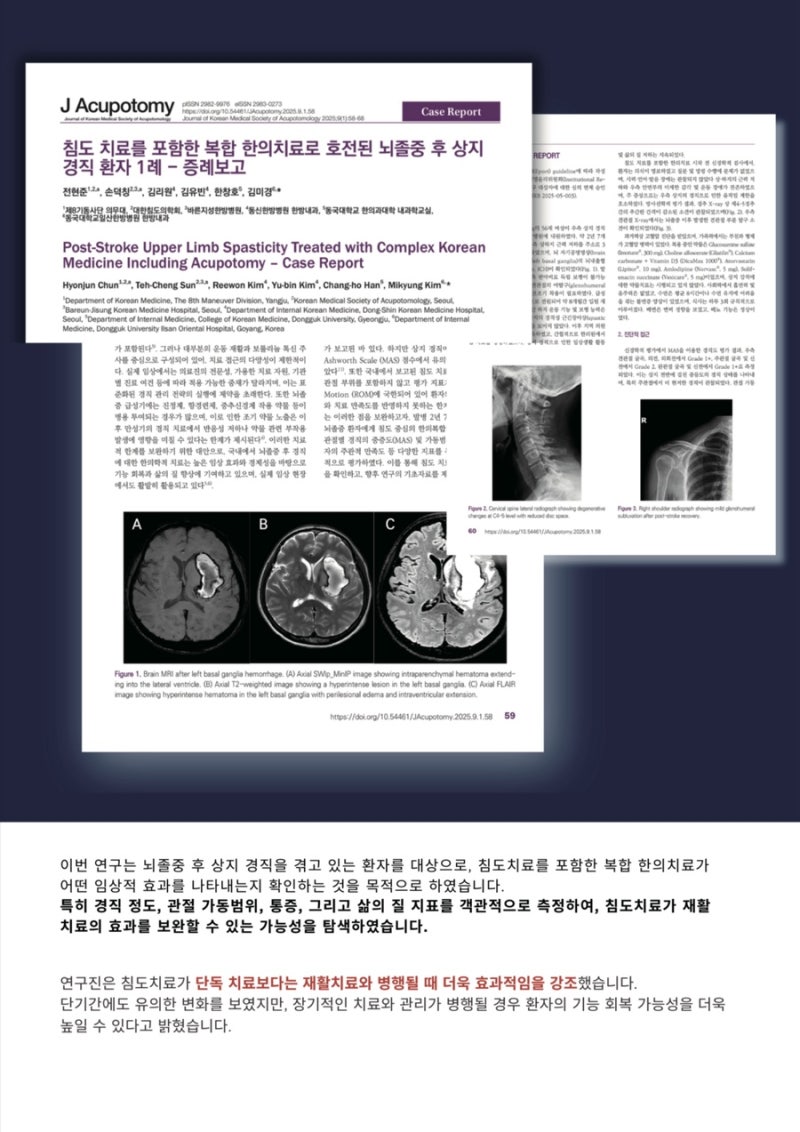
This study aimed to confirm the clinical effects of complex Korean medicine treatment, including acupotomy, in patients experiencing upper limb spasticity after stroke. Specifically, by objectively measuring the degree of spasticity, joint range of motion, pain, and quality of life indicators, the study explored the potential of acupotomy treatment to complement the effects of rehabilitation therapy.
If you are experiencing arm and leg spasticity, shoulder pain, or difficulty walking due to stroke sequelae, it is important to receive an accurate diagnosis and establish a systematic treatment plan early on. Sunyujae Korean Medicine Clinic helps patients return to daily life and improve their quality of life through customized acupotomy, pharmacopuncture, Chuna manual therapy, and herbal medicine treatments tailored to their recovery stage.
We hope you will join Sunyujae Korean Medicine Clinic in sharing valuable information for a healthy life. Sunyujae Korean Medicine Clinic in Suji-gu pursues evidence-based medicine and integrative medicine.
This post was written directly by the medical staff of Sunyujae Korean Medicine Clinic to provide medical information, in compliance with Article 56(2) and Article 57(3) of the Medical Service Act. The duration and outcome of treatment may vary from person to person, so please consult a qualified practitioner before beginning treatment.
Consultation & Booking
Have questions? Reach us anytime via KakaoTalk or phone.