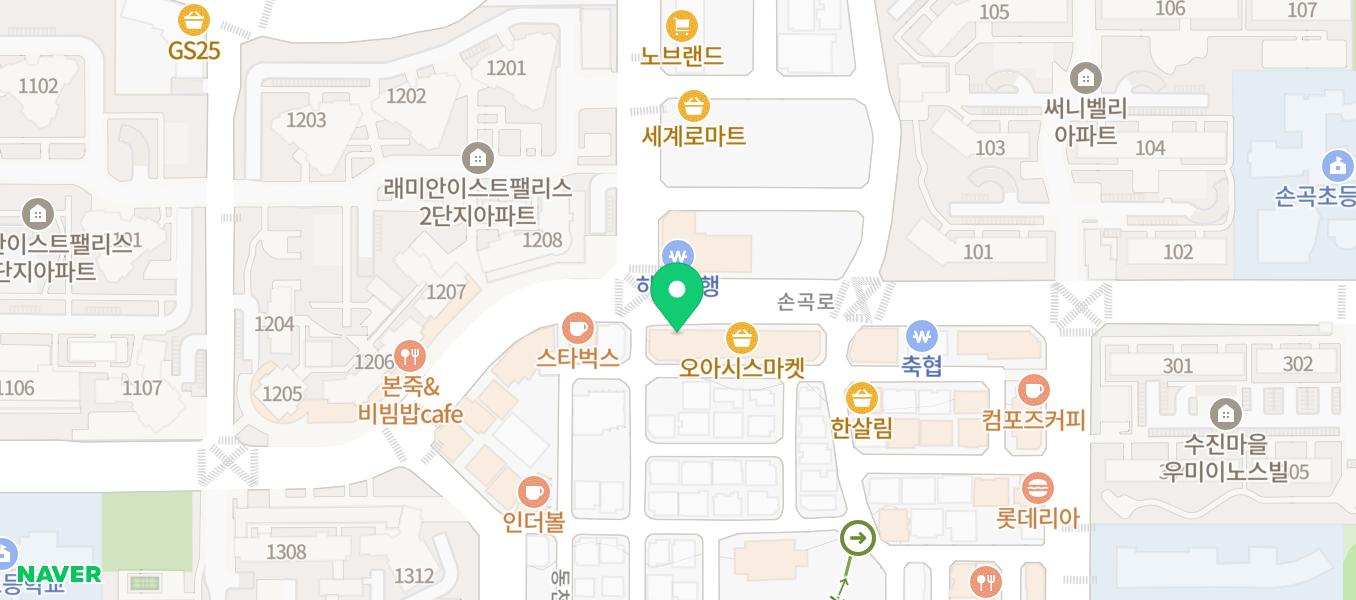
Hello, this is Dr. Hyocheong Chae, director of Sunyujae Korean Medicine Clinic in Dongcheon-dong, a place where kind hearts reside.
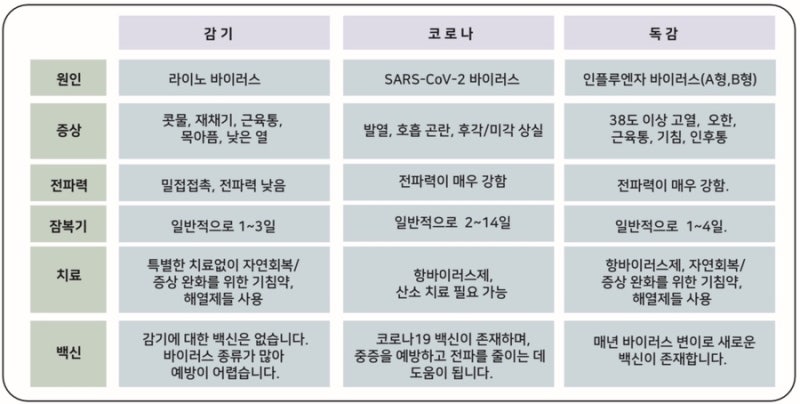
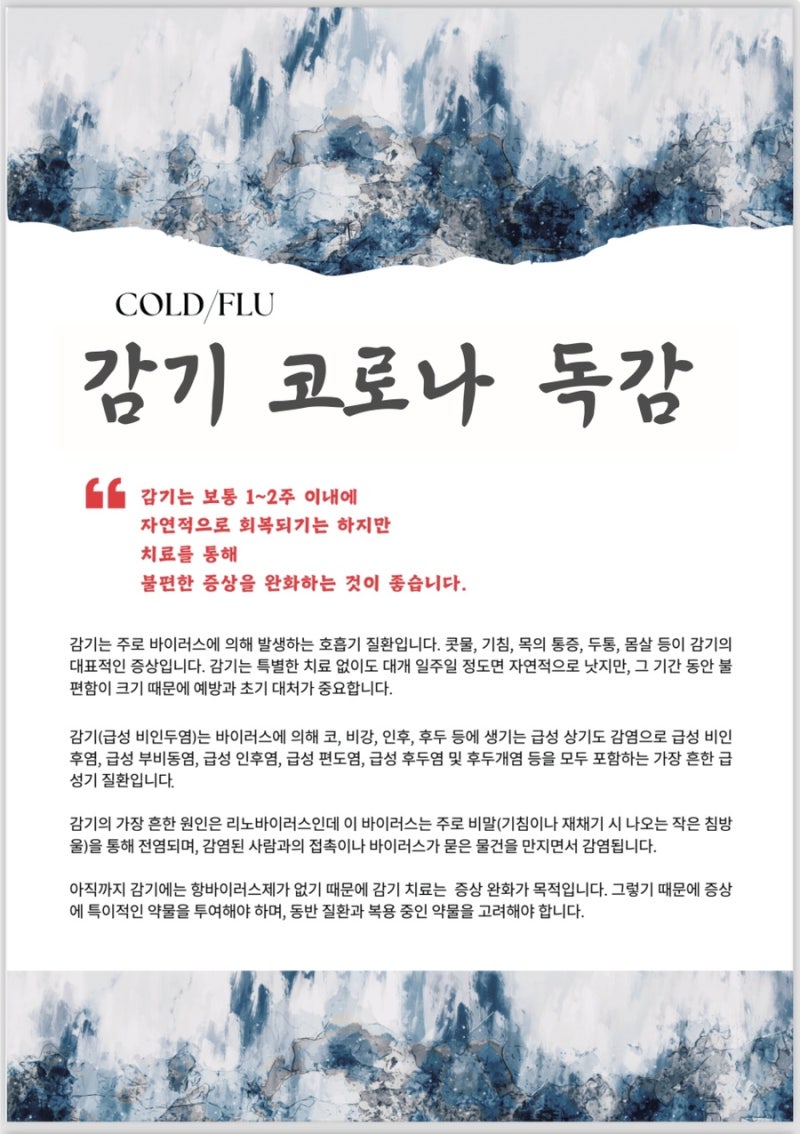
While colds usually recover naturally within 1 to 2 weeks, it is advisable to alleviate uncomfortable symptoms through treatment. Colds are respiratory illnesses primarily caused by viruses. Runny nose, cough, sore throat, headache, and body aches are typical symptoms of a cold.
Although colds usually resolve naturally in about a week without special treatment, prevention and early intervention are important due to the significant discomfort during that period. A cold (acute nasopharyngitis) is an acute upper respiratory infection caused by a virus in the nose, nasal cavity, pharynx, and larynx, and is the most common acute illness, encompassing acute nasopharyngitis, acute sinusitis, acute pharyngitis, acute tonsillitis, and acute laryngitis and epiglottitis.
The most common cause of the common cold is rhinovirus, which is primarily transmitted through respiratory droplets (small saliva droplets released during coughing or sneezing), and by contact with infected individuals or by touching contaminated objects. Since there is no antiviral drug for the common cold yet, the goal of cold treatment is symptom relief. Therefore, symptom-specific medications should be administered, and co-existing conditions and current medications should be considered.
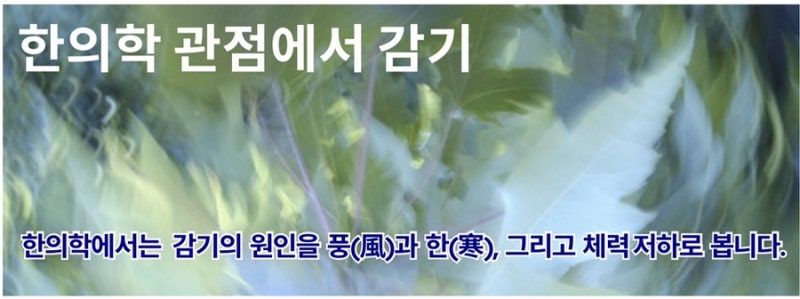
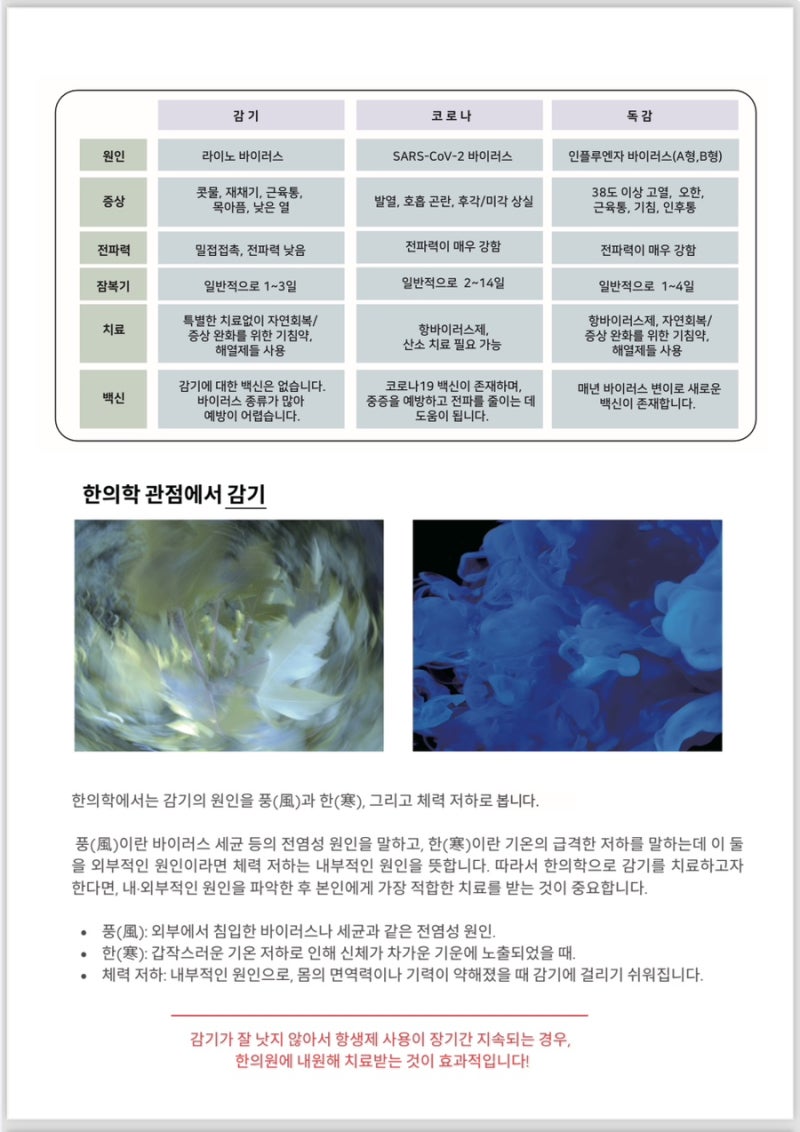
Wind (風) refers to infectious causes such as viruses and bacteria, and Cold (寒) refers to a sudden drop in temperature. If these two are considered external causes, then decreased physical strength signifies an internal cause. Therefore, if you wish to treat a cold with Korean medicine, it is important to identify both internal and external causes and receive the most suitable treatment for yourself.
• Wind (風): Infectious causes such as viruses or bacteria that invade from outside. • Cold (寒): When the body is exposed to cold energy due to a sudden drop in temperature. • Decreased physical strength: An internal cause, making one more susceptible to colds when the body’s immunity or vitality is weakened. If a cold does not heal well and antibiotic use continues for a long time, it is effective to visit a Korean medicine clinic for treatment.
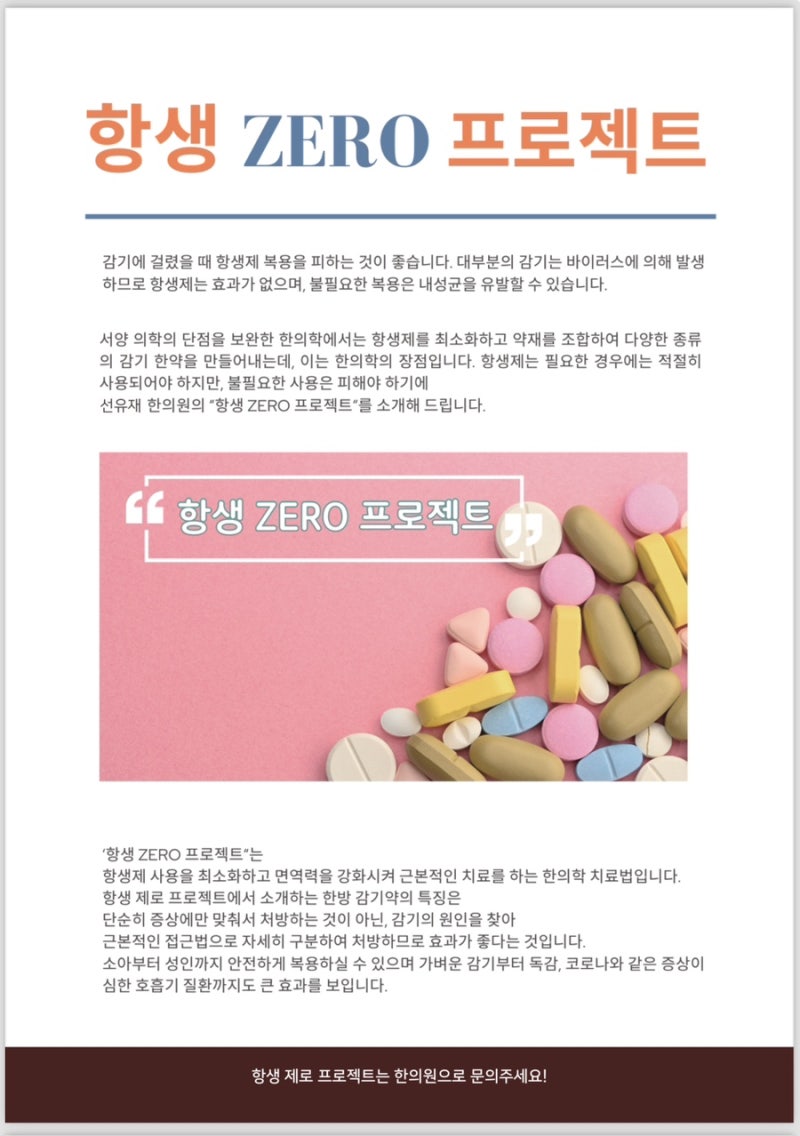
It is advisable to avoid taking antibiotics when you have a cold. Since most colds are caused by viruses, antibiotics are ineffective, and unnecessary use can lead to antibiotic resistance. Korean medicine, which complements the shortcomings of Western medicine, minimizes antibiotic use and combines various medicinal herbs to create diverse types of cold herbal medicine, which is an advantage of Korean medicine. While antibiotics should be used appropriately when necessary, unnecessary use should be avoided, which is why we introduce Sunyujae Korean Medicine Clinic’s “Antibiotic ZERO Project.”
The “Antibiotic ZERO Project” is a Korean medicine treatment method that minimizes antibiotic use, strengthens immunity, and provides fundamental treatment. A feature of the Korean herbal cold medicine introduced in the Antibiotic ZERO Project is that it doesn’t just prescribe based on symptoms, but rather identifies the root cause of the cold and prescribes with a fundamental approach, making it highly effective.
It can be safely taken by both children and adults, and shows great effectiveness for conditions ranging from mild colds to severe respiratory illnesses like influenza and COVID-19.
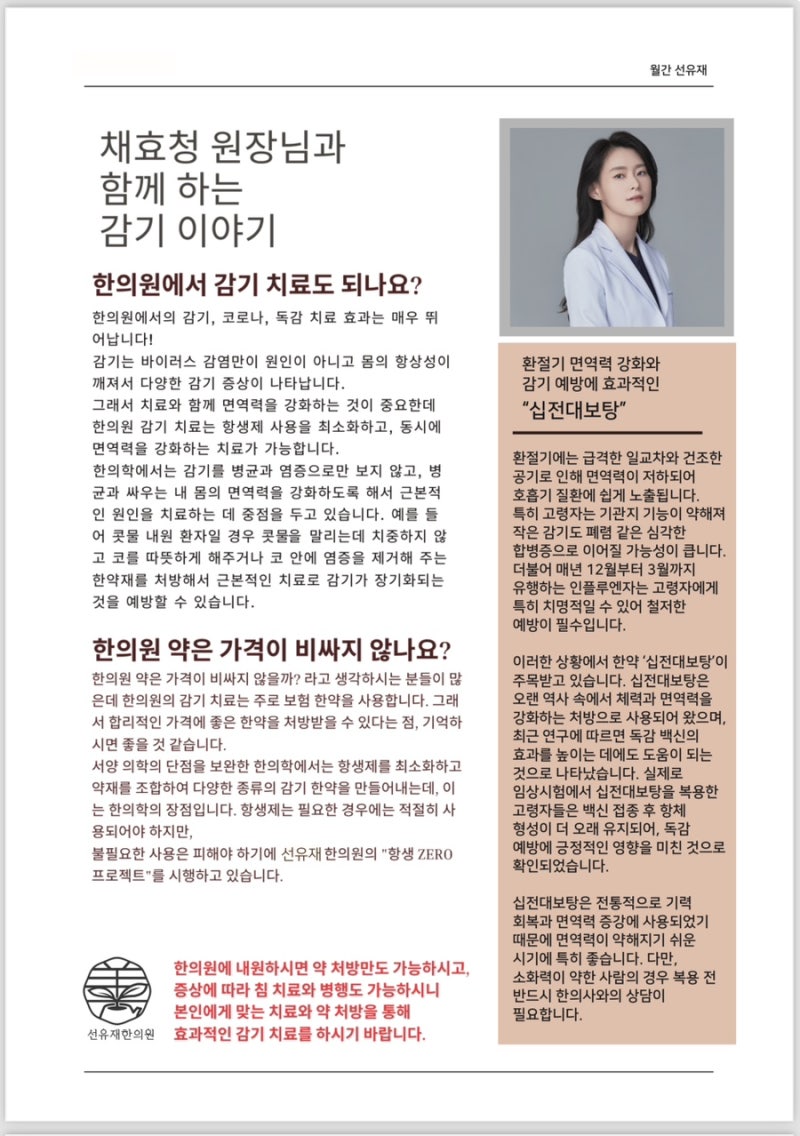
Q. Can colds also be treated at a Korean medicine clinic? The effectiveness of Korean medicine treatment for colds, COVID-19, and influenza is excellent!
Colds are not solely caused by viral infections; various cold symptoms appear when the body’s homeostasis is disrupted. Therefore, strengthening immunity along with treatment is important, and Korean medicine treatment for colds minimizes antibiotic use while simultaneously strengthening immunity. In Korean medicine, colds are not viewed solely as germs and inflammation; instead, the focus is on strengthening the body’s immunity to fight off pathogens, thereby treating the fundamental cause. For example, in the case of a patient visiting with a runny nose, instead of focusing on drying the nasal discharge, Korean herbal medicine is prescribed to warm the nose or remove inflammation inside the nose, providing fundamental treatment that can prevent the cold from becoming prolonged.
Q. Aren’t Korean medicine clinic prescriptions expensive? Many people wonder if Korean medicine clinic prescriptions are expensive, but Korean medicine treatment for colds primarily uses insured herbal medicine.
Therefore, it’s good to remember that you can receive excellent herbal medicine at a reasonable price. Korean medicine, which complements the shortcomings of Western medicine, minimizes antibiotic use and combines various medicinal herbs to create diverse types of cold herbal medicine, which is an advantage of Korean medicine. While antibiotics should be used appropriately when necessary, unnecessary use should be avoided, which is why Sunyujae Korean Medicine Clinic is implementing the “Antibiotic ZERO Project.”
During seasonal changes, immunity is weakened due to drastic daily temperature fluctuations and dry air, making one easily susceptible to respiratory illnesses. Elderly individuals, in particular, have weakened bronchial function, increasing the likelihood that even a minor cold could lead to serious complications like pneumonia. Furthermore, influenza, which is prevalent from December to March each year, can be particularly fatal for the elderly, making thorough prevention essential.
In this situation, the herbal medicine ‘Sipjeondaebo-tang’ is drawing attention. Sipjeondaebo-tang has been used throughout history as a prescription to strengthen physical stamina and immunity, and recent research suggests it also helps enhance the effectiveness of influenza vaccines. Indeed, in clinical trials, elderly individuals who took Sipjeondaebo-tang maintained antibody formation longer after vaccination, confirming its positive impact on influenza prevention.
Sipjeondaebo-tang is traditionally used for restoring vitality and boosting immunity, making it particularly beneficial during times when immunity is easily weakened. However, individuals with weak digestion must consult with a Korean medicine doctor before taking it. *If you visit our Korean medicine clinic, you can receive a prescription for medicine only, or combine it with acupuncture treatment depending on your symptoms. Please seek effective cold treatment through the therapy and prescription best suited for you.
https://m.blog.naver.com/sunyujae21/223558682500 If you have any questions about cold treatment, please add our Kakao Channel as a ‘friend’ and feel free to inquire via KakaoTalk or phone. Sunyujae Korean Medicine Clinic in Dongcheon-dong pursues evidence-based medicine and integrative medicine.
This post was written directly by the medical staff of Sunyujae Korean Medicine Clinic to provide medical information, in compliance with Article 56(2) and Article 57(3) of the Medical Service Act. The duration and outcome of treatment may vary from person to person, so please consult a qualified practitioner before beginning treatment.
Consultation & Booking
Have questions? Reach us anytime via KakaoTalk or phone.