![[수지구 동천동 한의원] 선유재의 환절기 감기 치료 "항생 Zero 프로젝트"](https://syjkmc.kr/wp-content/uploads/2026/06/223391179328_img_0.png)
Hello, I am Director Hyocheong Chae of Sunyujae Korean Medicine Clinic, a place where kind hearts reside.
These days, with the changing seasons, many people are visiting Sunyujae Korean Medicine Clinic with colds. We will tell you how to overcome colds with Sunyujae Korean Medicine Clinic’s “Antibiotic-Zero Project.” When the transitional season begins, as morning and evening temperatures drop and the daily temperature range widens, respiratory illnesses such as colds, body aches, and rhinitis frequently occur.
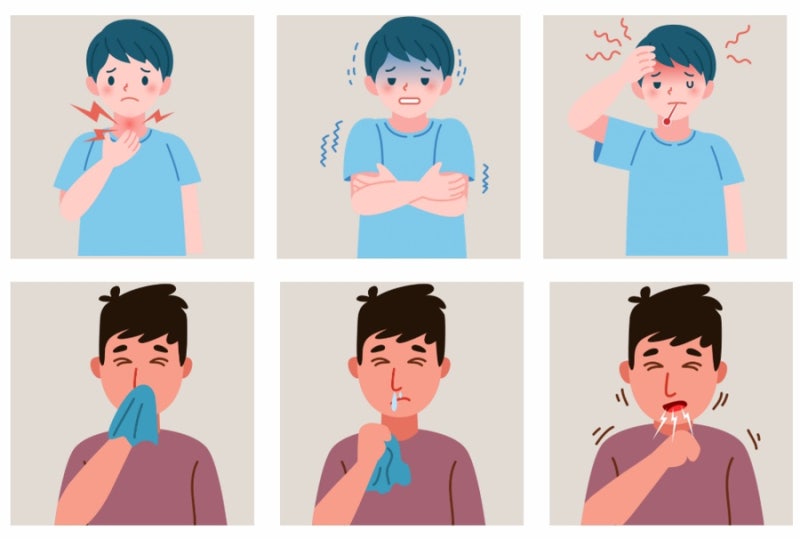
Symptoms of seasonal change, weakened immunity: During periods of significant daily temperature fluctuations, the body’s ability to regulate temperature declines, and a lot of energy is expended to adapt to rapid temperature changes, leading to a drop in immunity. Allergic Diseases: Moreover, allergic conditions can frequently arise during transitional seasons. Allergic rhinitis and conjunctivitis are representative examples.
For allergic diseases, taking antihistamines for a long period can dry out the respiratory mucous membranes and thus induce secondary respiratory diseases, so caution is needed. If you have already caught a cold during seasonal changes, it is best to avoid taking antibiotics. Since most colds are caused by viruses, antibiotics have little effect.
It is important to get enough rest and supplement deficient vitamins to strengthen immunity. Many people ask, “Can I also receive cold treatment at a Korean medicine clinic?”
The effectiveness of Korean medicine treatment for colds is outstanding! Colds are not solely caused by viral infection; various cold symptoms appear when the body’s homeostasis is disrupted. Therefore, strengthening immunity alongside treatment is important. Korean medicine treatment for colds allows for minimizing antibiotic use while simultaneously strengthening immunity.
Korean medicine does not merely see colds as caused by germs and inflammation; instead, it focuses on treating the root cause by strengthening the body’s immunity to combat germs. For example, for a patient presenting with a runny nose, instead of focusing on merely drying up the nasal discharge, we can prevent the cold from becoming prolonged through fundamental treatment, such as warming the nose or prescribing herbal medicine that removes inflammation inside the nose.
Aren’t Korean medicine clinic prescriptions expensive? Many people wonder, ‘Aren’t Korean medicine clinic prescriptions expensive?‘ but for cold treatment, Korean medicine clinics primarily use insurance-covered herbal medicine.
Therefore, it would be good to remember that you can be prescribed good herbal medicine at a reasonable price. Sunyujae Antibiotic Zero Project. In Korean medicine, which complements the shortcomings of Western medicine, antibiotics are minimized and medicinal herbs are combined to create various types of cold herbal medicine, which is an advantage of Korean medicine. While antibiotics should be used appropriately when necessary, unnecessary use should be avoided, which is why we introduce Sunyujae Korean Medicine Clinic’s “Antibiotic Zero Project”.
“Antibiotic Zero Project” is
This is a Korean medicine treatment method that minimizes antibiotic use, strengthens immunity, and provides fundamental treatment. The characteristics of the Korean herbal cold medicine introduced in the ‘Antibiotic Zero Project’ are that it doesn’t merely prescribe based on symptoms. Instead, it identifies the root cause of the cold and prescribes after detailed differentiation using a fundamental approach, thereby offering the advantage of high effectiveness.
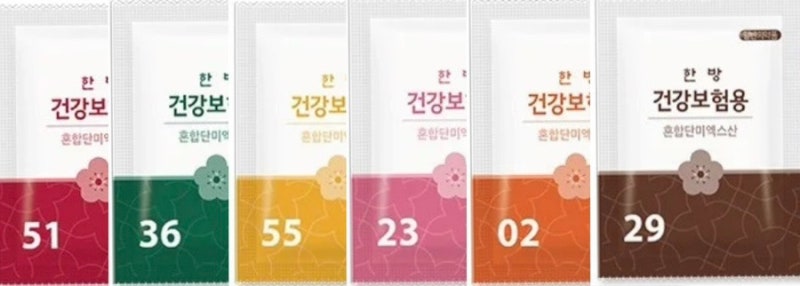
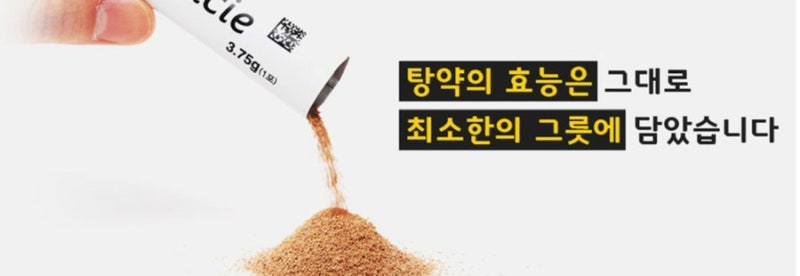
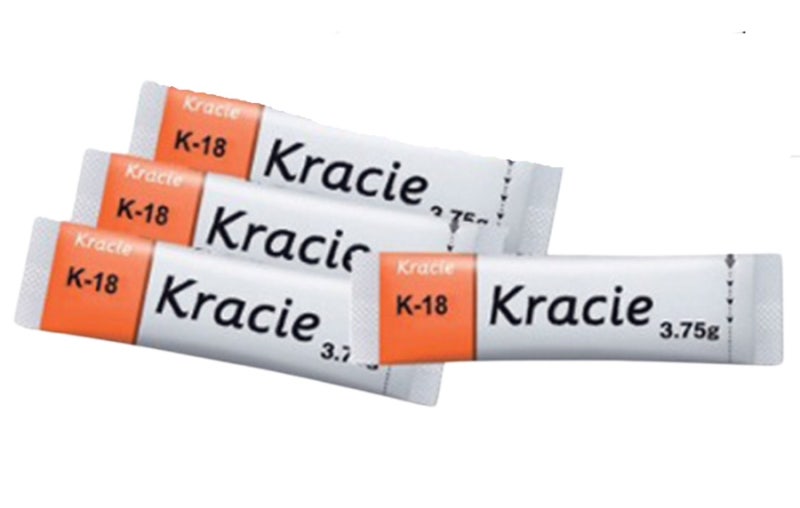
It can be safely taken by all ages, and from children to adults, Korean herbal cold medicine is highly effective for everything from mild colds to severe respiratory illnesses with symptoms like flu and COVID-19. We will introduce the seasonal cold medicine included in the Antibiotic Zero Project, divided into those covered by health insurance (reimbursable) and those not covered by health insurance (non-reimbursable). The health insurance-covered Korean herbal cold medicine we will introduce today is an individually packaged Korean herbal preparation (granule type).
It comes in a form that can be mixed with water or taken directly, and it is a medicine that anyone, from children to adults, can consume comfortably.
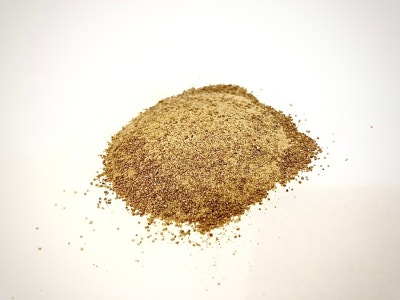
Samso-eum for cough with phlegm accompanied by fatigue. ‘Samso-eum’ is an herbal medicine primarily prescribed for deficiency-type colds. You know that balloon flower root (doraji) is good for coughs, right? The medicinal name for doraji is ‘Gilgyeong,’ and ‘Samso-eum’ contains many herbal ingredients good for coughs, such as Gilgyeong, Jasoyeop, Jeonho, and Jinpi. It is effective for coughs with phlegm accompanied by fatigue, coughs where there isn’t much phlegm but a foreign body sensation in the throat, and cases where one’s vital energy has become deficient due to post-cold symptoms.
Samso-eum, which is excellent at removing phlegm, is one of the cold remedies frequently prescribed at Sunyujae. Haengso-tang: cough after a cold, chronic cough, post-COVID syndrome. According to Donguibogam, ‘Haengso-tang’ is known as a medicine that alleviates symptoms of frequent coughing and phlegm. In modern medicine, it is used for conditions such as chronic laryngotracheitis.
Haengsotang cools down body heat, reduces inflammation, and properly controls internal heat by promoting the smooth circulation of vital energy (qi) and blood. Additionally, it is effective in reducing the amount of phlegm and relaxing the bronchi to alleviate coughs. These actions normalize the body by clearing phlegm and promoting the smooth flow of lung qi. It is effective in reducing coughs and phlegm, and regulating internal heat and inflammation, thereby alleviating various symptoms such as bronchitis.
Socheongnyong-tang for allergic rhinitis, clear runny nose, cough, or asthma. ‘Socheongnyong-tang’ is one of the most commonly used herbal medicines for respiratory diseases. It is primarily prescribed for colds that present with symptoms like cough, sneezing, and clear runny nose, often when affected by cold energy. It also contains medicinal ingredients effective for phlegm and cough, such as Ephedra, Cinnamon Twig, Dried Ginger, Asarum, Pinellia, and Schisandra Berry.
It is effective not only for colds but also for allergic rhinitis or chronic rhinitis accompanied by symptoms of clear runny nose and sneezing. Hyunggaeyeongyo-tang: yellow runny nose, otitis media, sinusitis, chronic rhinitis
“Hyeonggaeyeongyo-tang” is an herbal medicine used for localized inflammatory symptoms, which helps alleviate purulent symptoms such as yellow nasal discharge and phlegm from the early stages of a cold.
It can be primarily used after symptoms corresponding to external syndrome, such as chills, fever, headache, and joint pain, have subsided, and when rhinitis, sinusitis, tonsillitis, otitis media, and localized inflammation become prominent. This prescription is also utilized for localized inflammation on the skin, such as idiopathic urticaria. It is especially effective for rhinitis treatment.
Gyeolguntang for full-body muscle pain, early-stage cold. ‘Gyeolguntang’ is primarily prescribed for early-stage colds and is particularly effective when accompanied by body aches such as muscle pain. The combination of Ephedra and Cinnamon twig found in Gyeolguntang generates heat, lowers body temperature through sweating, treating chills and fever, while Kudzu root and Peony root relax muscles, alleviating muscle pain. Even if it’s not a cold, it is often prescribed for the purpose of treating muscle pain when the neck or shoulders are very stiff, causing headaches.
Yeon-gyo-pae-dok-san: Fever, Sore Throat, Common Cold
“Yeongyo Paedoksan” is a representative Korean medicine cold remedy. It is derived from Insam Paedoksan by removing ginseng, adding Schizonepeta and Ledebouriella root to form Hyungbang Paedoksan, and then further incorporating Forsythia fruit (Yeongyo) and Honeysuckle flower (Geumeunhwa), which possess anti-inflammatory properties.
When the throat is very swollen and sore, the nasal discharge is sticky, and phlegm develops, it is also effective for COVID-19 symptoms. This is the herbal medicine that became scarce during the COVID-19 pandemic due to rumors of the effectiveness of Eungyo-san and Yeongyo-paedok-san.
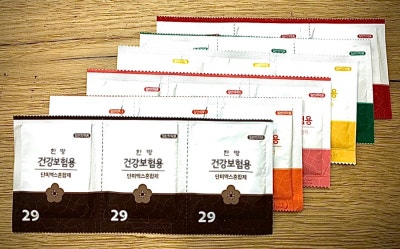
As a primary treatment approach for cold symptoms, we recommend customized prescriptions and cold treatment tailored to you, following a consultation with a Korean medicine doctor. If you contact our Sunyujae Korean Medicine Clinic, we will kindly explain. Non-reimbursable Korean herbal cold medicine!
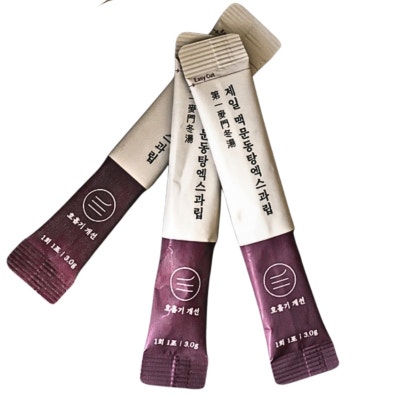
Non-reimbursable Korean medicine cold remedies are prepared as decoctions and Korean medicine preparations. They are so effective that those who have tried them once consistently seek them out.
Maekmundong-tang is an herbal medicine preparation excellent for dry coughs without phlegm. ‘Maekmundong-tang’ strengthens the respiratory system and shows outstanding efficacy, especially for dry coughs. Generally, when Western medicine cough suppressants and expectorants have been taken for a long time without effect, it is common to see therapeutic benefits with Maekmundong-tang. It improves dry coughs caused by weakened lung function, replenishes body fluids, and moistens the lungs and bronchi to suppress discomforts such as coughs and lingering coughs.
Mahengamsok-tang (+Eungyo-san) herbal decoction for sore throat and cough accompanied by high fever. The natural antipyretic ‘Mahengamsok-tang’ is used to alleviate respiratory cold symptoms and is frequently used for those who experience high fever due to throat inflammation. Its composition consists of Seokgo (Gypsum), Mahwang (Ephedra), Haengin (Apricot Kernel), and Gamcho (Licorice). Seokgo (Gypsum) has the effect of reducing fever, and Mahwang (Ephedra) regulates secretions, calms inflammation, and dilates the bronchi.
Apricot kernel has the effect of constricting the bronchi, while licorice protects the bronchi and provides moisture. As a result, Ma-haeng-gam-seok-tang is particularly effective for respiratory cold symptoms such as cough and phlegm, and it shows excellent efficacy in cases like high fever, phlegm, and cough caused by COVID-19. For severe colds or rhinitis with significant nasal congestion, the Korean herbal medicine preparation ‘Galgeun-tang Ga Cheongungsin-i’ is used for yellow, sticky nasal discharge caused by nasal congestion or a cold, and improves symptoms by facilitating circulation around the nose. It is also utilized in cases where nasal congestion, such as rhinitis, is the primary symptom.
Galgeun-tang is an herbal medicine used for chills and body aches associated with the common cold. With the addition of Cheongung and Sinyi, it helps clear nasal congestion and improves blood flow in the nasal mucosa to alleviate stuffiness. Each herb exerts its effect by promoting smooth blood circulation. Ganghwalpaedoksan Decoction for mild body aches, early cold. ‘Ganghwalpaedoksan’ is an herbal medicine used for body aches from the common cold, prescribed for conditions ranging from mild early body aches to severe colds accompanied by whole-body pain and a sensation of numbness. For this reason, it is also referred to as a Korean medicine analgesic and anti-inflammatory.
Its composition includes Ganghwal, Bangpung, Cheongung, Baekji, Changchul, Hwanggeum, Saengjihwang, Sesin, and Gamcho, providing antipyretic, anti-inflammatory, and analgesic effects. Baekji is particularly effective for headaches and is also used for headaches caused by colds. Additionally, it can be used for the treatment of acute joint pain or sprains.
For fatigue, for early colds accompanied by fatigue, after the main cold symptoms have recovered, and as an herbal medicine for colds that helps restore energy and relieve fatigue – it’s the prescription everyone thinks of! That’s right, it’s ‘Ssanghwa-tang’. At our Korean medicine clinic, we prepare Ssanghwa-tang using carefully selected, premium herbal ingredients. Ssanghwa-tang nourishes Qi and Blood, strengthens immunity, making it effective in preventing and treating colds and body aches.
Ssanghwa-tang is often purchased by those who have tried it once and experienced its benefits, either as a household staple or even as a gift.
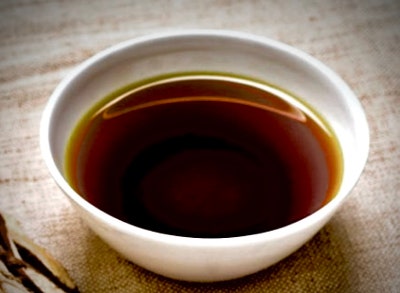
We also have delicious grape-flavored children’s cold medicine. Children take it well! Even with the same medicine, effects and side effects can vary from patient to patient.
In addition to the medicines described above, other medicines are also available, so please consult with a Korean medicine doctor and receive treatment through a customized prescription tailored to you. Sunyujae Korean Medicine Clinic is committed to the Antibiotic Zero Project, striving to reduce unnecessary antibiotic prescriptions. When you visit the clinic, you can receive a medicine prescription only, or combine it with acupuncture treatment depending on your symptoms, so please receive treatment and medicine prescription that suits you for effective cold treatment.
Sunyujae Korean Medicine Clinic wishes everyone a healthy life through the Antibiotic ZERO Project.
This post was written directly by the medical staff of Sunyujae Korean Medicine Clinic to provide medical information, in compliance with Article 56(2) and Article 57(3) of the Medical Service Act. The duration and outcome of treatment may vary from person to person, so please consult a qualified practitioner before beginning treatment.
Consultation & Booking
Have questions? Reach us anytime via KakaoTalk or phone.