
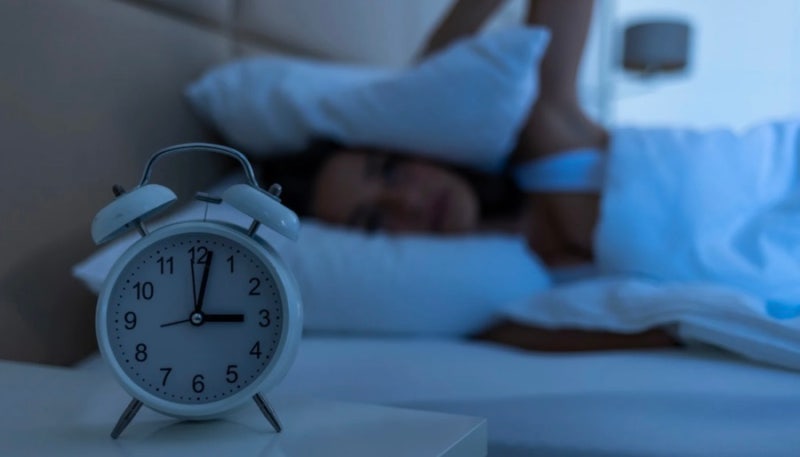
Do you often find yourself checking the clock every night? You’re clearly tired and lie down, but strangely your mind is wide awake, and some people consistently wake up around 2-3 AM. Even after waking up, your body doesn’t feel refreshed, and during the day, you might feel groggy and continuously tired.
When consulting about menopausal insomnia at Sunyujae Korean Medicine Clinic in Dongcheon-dong, Suji-gu, we often hear stories like these: “I used to sleep well, but after my 50s, my sleep became lighter.” “When I wake up in the early morning, it’s hard to fall back asleep.” “I wake up from sleep with a sudden hot flash or night sweats.” In such cases, simply attributing it to “less sleep due to aging” might be an oversimplification.
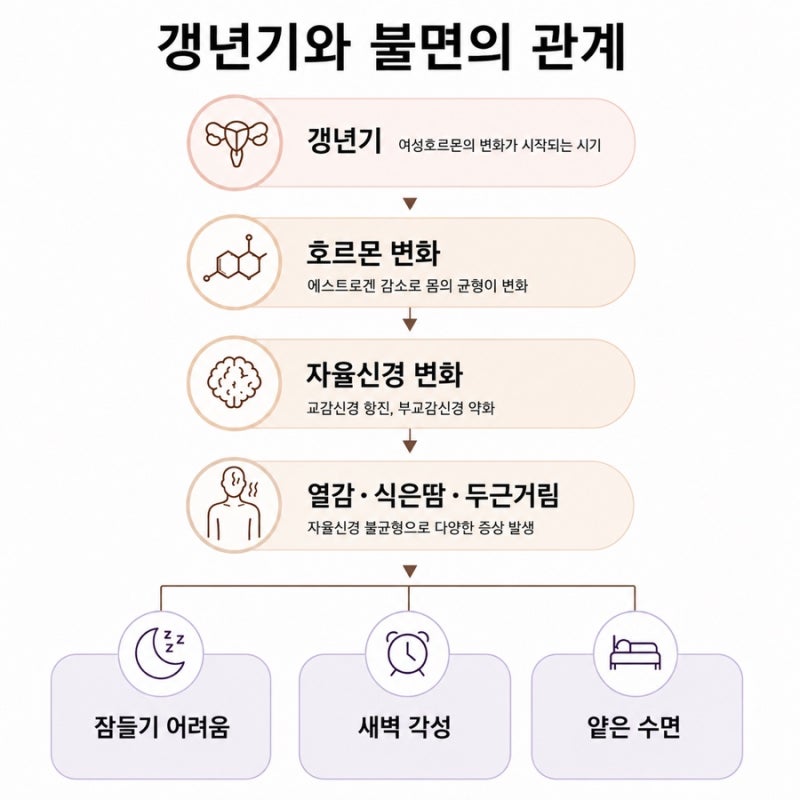
This is because during menopause, hormonal changes, along with the influence of the autonomic nervous system, can lead to a decline in sleep quality.
Hello, this is Sunyujae Korean Medicine Clinic in Dongcheon-dong, Suji-gu, a place where good intentions reside. Insomnia is not merely a problem of not being able to sleep. It can be a sign that your body is unable to transition into a state of sufficient rest.
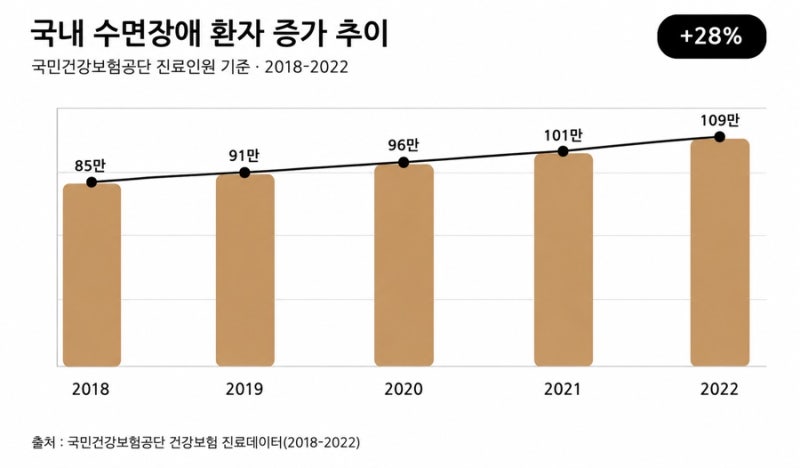
28% increase in domestic sleep disorder patients over the past 5 years. Growing sleep concerns after the age of 50 need to be examined in conjunction with the autonomic nervous system. The reason you can’t sleep might not be just simple sleep deprivation.
What forms does insomnia take?
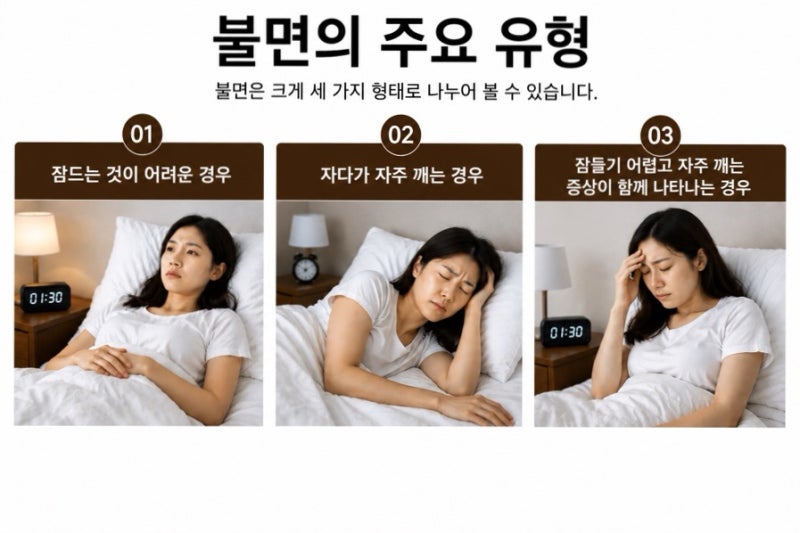
Insomnia can largely be divided into three forms: ① Difficulty falling asleep ② Waking up frequently during sleep ③ Experiencing both difficulty falling asleep and frequent awakenings. In the clinic, we often hear expressions like “My mind becomes clearer when I lie down,” “I always wake up around 2-3 AM,” and “Even after sleeping, I don’t feel refreshed.”
In other words, insomnia is not merely a matter of sleep duration, but a symptom that requires examining sleep depth, feelings of recovery, and the body’s state of tension. Why does sleep become lighter during menopause? During the menopausal period around age 50, changes in female hormones can also alter the body’s rhythm. During this time, it’s common for insomnia to be accompanied by palpitations, night sweats, hot flashes, unexplained anxiety, neck and shoulder tension, and chronic fatigue.
During the day, our sympathetic nervous system is activated, helping us to focus and move, while at night, the parasympathetic nervous system becomes active, transitioning us into a state of rest. However, when menopausal changes, stress, and accumulated fatigue overlap, the body may not be able to fully transition into a resting state even at night. It’s a feeling where your body is lying in bed, but your mind remains wide awake.
The feeling of being tired but unable to sleep. Many patients actually use these expressions.
If you have these symptoms, it’s worth examining. If the following symptoms repeatedly occur along with menopausal insomnia, it’s necessary to consider if your autonomic nervous system is being affected: – Easily tense – Heart palpitations – Constantly stiff neck and shoulders – Unexplained anxiety – Poor digestion – Cold hands and feet or severe hot flashes – Tired but unable to sleep – Frequently waking up in the early morning and difficulty falling back asleep
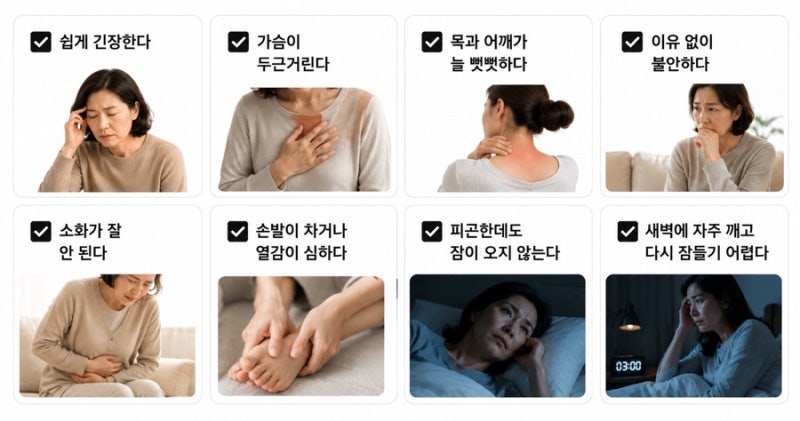
In fact, among women in their 50s who visit Sunyujae Korean Medicine Clinic in Dongcheon-dong, it’s more common for hot flashes, night sweats, chronic fatigue, and palpitations to appear together, rather than insomnia alone. Therefore, Sunyujae Korean Medicine Clinic doesn’t just look at sleep duration, but also examines the overall body condition. What is the reason for frequently waking up in the early morning?
Insomnia that involves difficulty maintaining sleep is slightly different from simply needing more sleep. Normal sleep consists of a repeating rhythm of light and deep sleep, REM and non-REM sleep. However, if stress, pain, menopausal symptoms, or autonomic nervous system changes persist, sleep depth can become shallow, and one may easily wake up even from minor stimuli.
In particular, if body tension persists for a long time, it can prevent entry into a deep resting state, leading to a condition where the brain and body feel awake even during sleep. Furthermore, after the age of 50, it’s not uncommon for people to struggle with maintaining sleep due to factors like nocturia or overactive bladder. Therefore, if you’ve been struggling with insomnia in Suji-gu for a long time, it’s important to consider not just “Why can’t I sleep?” but also “Why do I keep waking up?“
How does Sunyujae Korean Medicine Clinic view menopausal insomnia? At Sunyujae Korean Medicine Clinic in Dongcheon-dong, Suji-gu, we do not view insomnia merely as a sleep problem. Especially for insomnia that appears after menopause, we examine not only sleep but also hormonal changes, chronic fatigue, neck and shoulder tension, lifestyle patterns, and overall physical condition.
Even with the same menopausal insomnia, some individuals may experience prominent hot flashes and night sweats, others severe palpitations and anxiety, and still others may be unable to sleep deeply due to neck and shoulder tension. Therefore, rather than setting a single treatment direction, it’s important to assess the current body condition and find a gentle approach.
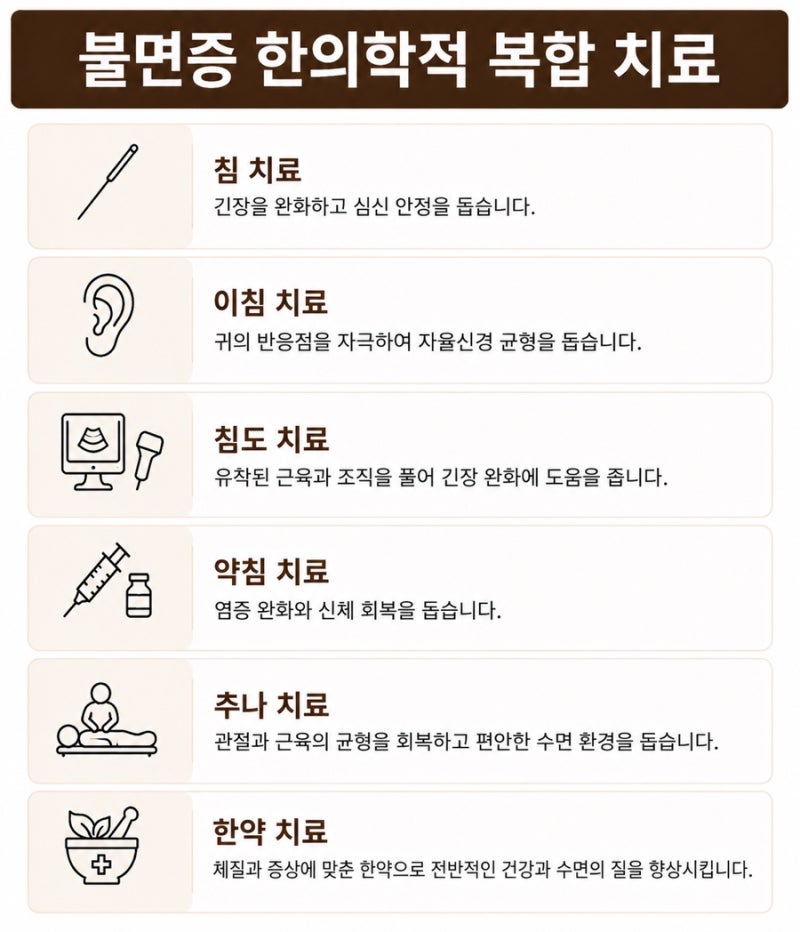
Acupuncture and Auricular Acupuncture. Acupuncture is a treatment that relaxes an overly tense body and helps stabilize the mind and body. At Sunyujae Korean Medicine Clinic, we combine general acupuncture with auricular acupuncture. The ear contains various reaction points related to the autonomic nervous system, and particularly, the autonomic nervous system-related areas inside the ear are known to be regions where active research on the vagus nerve is being conducted.
If you have severe neck and shoulder tension, ultrasound-guided acupotomy may be considered. It’s not uncommon to observe chronic tension around the suboccipital muscles and trapezius in the back of the neck in individuals who have experienced prolonged insomnia. This tension can be accompanied by headaches, neck stiffness, and chronic fatigue, and can reduce sleep quality.
At Sunyujae Korean Medicine Clinic in Dongcheon-dong, Suji-gu, we assess the condition of surrounding tissues using ultrasound when necessary, based on patient interviews and movement evaluations. Depending on the condition, acupotomy may be considered, which can help in a more detailed examination of adhered or tense tissues. Acupotomy is a Korean medicine treatment that helps restore movement by releasing adhered or hardened soft tissues.
Treatment response may vary depending on the individual’s condition. Pharmacopuncture. Pharmacopuncture is a Korean medicine treatment method that involves injecting refined herbal medicine extracts into tense areas or around related tissues. When poor sleep is accompanied by chronic fatigue and reduced recovery, pharmacopuncture may be considered depending on the condition.
Pharmacopuncture is utilized to aid in physical recovery and restore balance, and treatment response may vary depending on the individual’s constitution and condition. Chuna manual therapy. Among patients with sleep disorders, some may have disrupted body balance due to repetitive tossing and turning during sleep, neck and shoulder tension, or poor postural habits.
When necessary, Chuna manual therapy is used to examine the alignment of the skeleton and joints, and to approach treatment in a way that helps alleviate muscle tension and create a more comfortable sleep environment. Herbal medicine. Herbal medicine is prescribed based on Korean medicine diagnoses such as pulse diagnosis and tongue diagnosis, tailored to the individual’s constitution and symptoms. Treatment direction is set by considering menopausal symptoms, chronic fatigue, overall condition, and sleep quality.
Even with the same insomnia, the approach may vary depending on whether severe hot flashes are present, if lethargy and fatigue are prominent, or if anxiety and palpitations occur together. Sleep is not the end of the day, but the beginning of the next day’s health! Menopausal insomnia is often difficult to view as merely a change that comes with aging.
If you repeatedly experience difficulty falling asleep or frequently wake up in the early morning, it could be a sign that your body is not getting enough rest. If your sleep is repeatedly disturbed, rather than simply enduring it, it’s necessary to calmly examine why your body isn’t resting. Sunyujae Korean Medicine Clinic in Dongcheon-dong, Suji-gu, will assess your current condition based on evidence-based medicine and integrative medicine, and together, we will find a gentle treatment approach.
Thank you. Sunyujae Korean Medicine Clinic in Suji-gu pursues evidence-based medicine and integrative medicine.
This post was written directly by the medical staff of Sunyujae Korean Medicine Clinic to provide medical information, in compliance with Article 56(2) and Article 57(3) of the Medical Service Act. The duration and outcome of treatment may vary from person to person, so please consult a qualified practitioner before beginning treatment.
Consultation & Booking
Have questions? Reach us anytime via KakaoTalk or phone.