
![수지구 한의원-[선유재한의원] 성장기 턱관절 균형, 왜 중요할까요?](https://syjkmc.kr/wp-content/uploads/2026/06/223895932418_img_0.jpeg)
Hello, this is Sunyujae Korean Medicine Clinic, a place where good hearts reside.
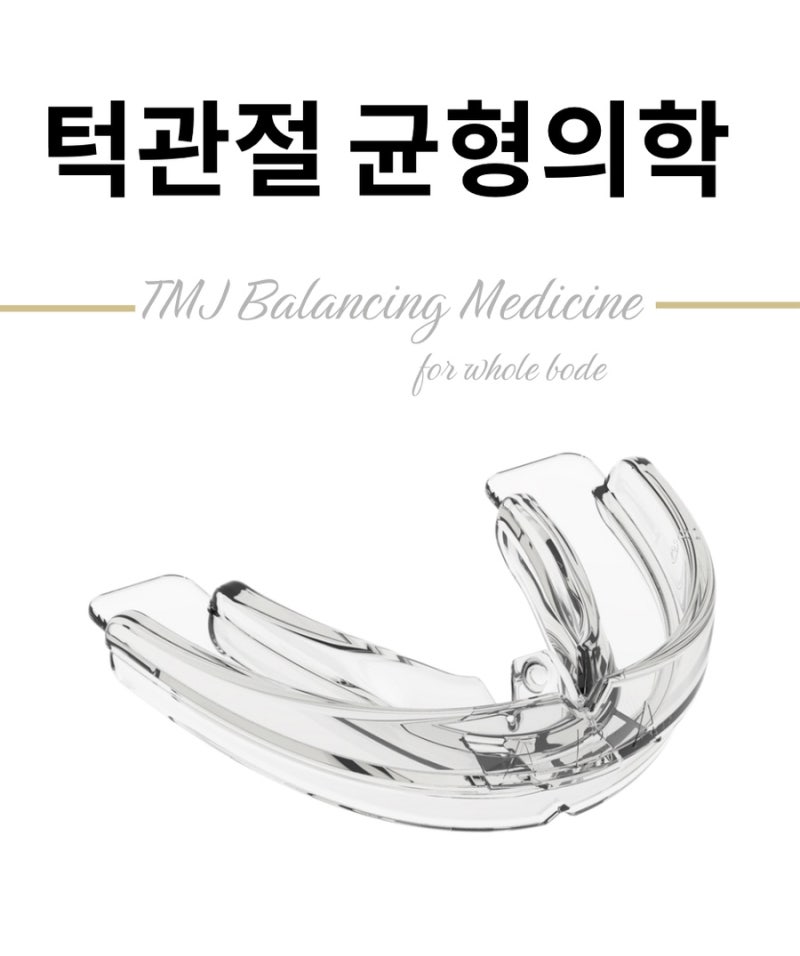

Many people simply think of the temporomandibular joint (TMJ) as a joint that opens and closes the mouth, but the TMJ connects the cervical spine and the skull, and it is a structure that directly influences spinal alignment, the central axis of the body, and skull balance. Furthermore, nine out of the twelve pairs of cranial nerves pass through the area around the jaw, making it a very intricate region that controls the autonomic nervous system, muscles, and postural balance.
If the TMJ is slightly misaligned, the neck bones, spine, and even the pelvis will be affected in sequence, and as a result, chronic fatigue, decreased concentration, and even growth rate can change. Moreover, the area around the jaw is where cranial nerves and autonomic nerves are concentrated, so symptoms like rhinitis, teeth grinding, headaches, and facial asymmetry can appear.
That’s why I particularly refer to the period around 4th grade of elementary school, when growth truly begins, as the ‘golden age for balancing the temporomandibular joint.’ Today, I will explain step-by-step why the TMJ is important for our child’s proper growth, how to manage it effectively, and practical treatment methods. Why is TMJ balance important during the growth period?
Sunyujae Korean Medicine Clinic’s TMJ Balancing Therapy, which determines a child’s lifelong posture during the growth period. Growing children have long-term growth potential. Correcting the TMJ during this period can establish proper posture and induce normal development during the growth process. Correction before growth is complete yields the greatest effect, and even as adults, a healthy posture can be maintained with less effort.
By guiding the jaw into the correct position using a standard oral appliance, it greatly helps prevent future problems caused by misaligned posture. The period around 4th grade of elementary school is the optimal time for wearing corrective devices (splints). Don’t miss the golden growth period.

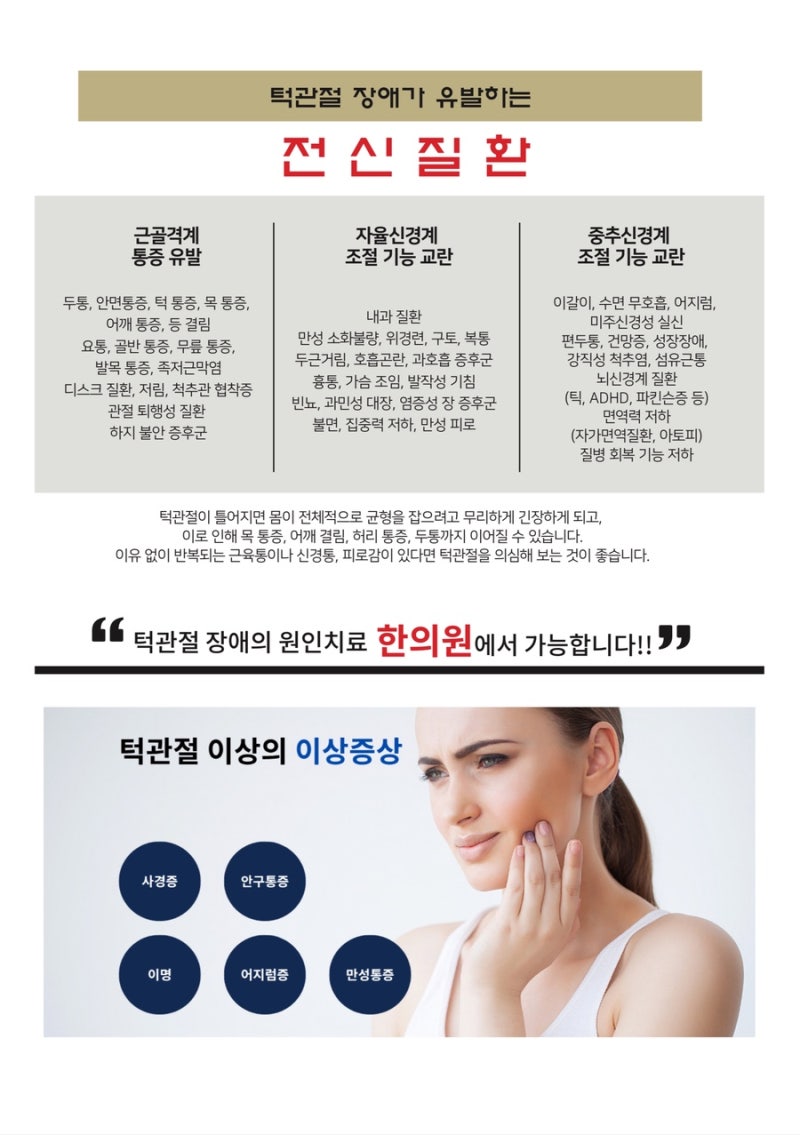
Systemic diseases caused by TMJ disorders. Musculoskeletal pain induction: *Headaches, facial pain, jaw pain, neck pain, shoulder pain, back stiffness *Lower back pain, pelvic pain, knee pain, ankle pain, plantar fasciitis *Disc diseases, numbness, spinal stenosis *Degenerative joint diseases
Restless legs Restless Legs Syndrome — Disruption of autonomic nervous system regulatory function
*Internal medicine diseases *Chronic indigestion, stomach cramps, vomiting, abdominal pain *Palpitations, shortness of breath, hyperventilation syndrome *Chest pain, chest tightness, paroxysmal cough *Frequent urination, irritable bowel, inflammatory bowel syndrome
Insomnia, decreased concentration, chronic fatigue — Disruption of central nervous system regulatory function
*Teeth grinding, sleep apnea, dizziness, vasovagal syncope *Migraines, forgetfulness, growth disorders, ankylosing spondylitis, fibromyalgia *Neurological disorders (tics, ADHD, Parkinsonism, etc.) *Decreased immunity (autoimmune diseases, atopy)
Disease recovery function Impaired disease recovery function — If the TMJ is misaligned, the body over-tenses to try and maintain overall balance,
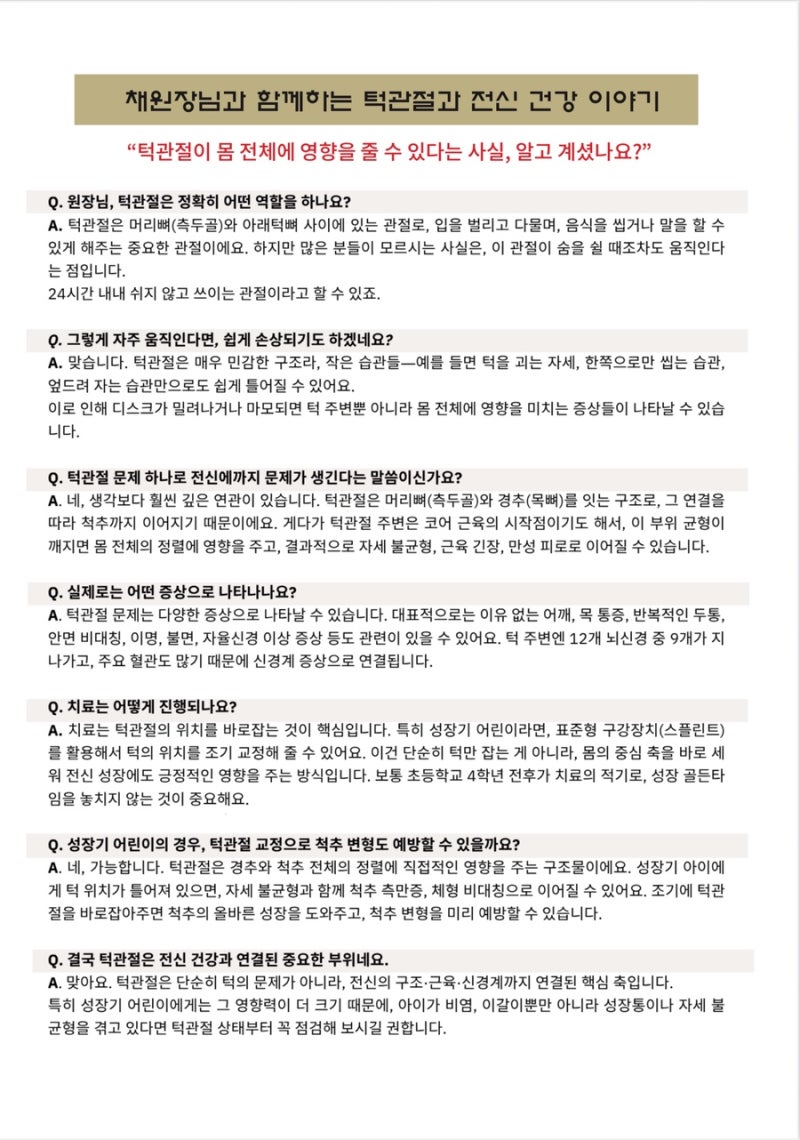
This can lead to neck pain, shoulder stiffness, lower back pain, and even headaches. If you experience recurring muscle pain, nerve pain, or fatigue without a clear reason, it’s advisable to consider the TMJ as a possible cause. [Q&A] TMJ and Whole-Body Health with Dr. Hyocheong Chae “Did you know that the temporomandibular joint can affect your entire body?” Q. Dr. Hyocheong Chae, what exactly is the role of the temporomandibular joint?
A. The temporomandibular joint is located between the skull (temporal bone) and the lower jawbone, and it is an important joint that allows us to open and close our mouths, chew food, and speak. However, what many people don’t know is that this joint moves even when we breathe.
It can be said to be a joint that is used continuously, 24 hours a day. Q. If it moves so frequently, it must be easily damaged, right?
A. That’s right. The TMJ is a very sensitive structure, so even small habits like resting your chin on your hand, chewing only on one side, or sleeping on your stomach can easily cause it to become misaligned.
If the disc is displaced or worn down due to this, symptoms that affect not only the area around the jaw but also the entire body can appear. Q. Are you saying that a single TMJ problem can lead to issues throughout the entire body?
A. Yes, there’s a much deeper connection than you might think. This is because the TMJ is a structure that connects the skull (temporal bone) and the cervical spine (neck bones), and that connection extends all the way down to the spine.
Furthermore, the area around the TMJ is also the starting point for core muscles, so if the balance in this area is disrupted, it affects the alignment of the entire body, which can consequently lead to postural imbalance, muscle tension, and chronic fatigue. Q. What symptoms actually appear?
A. TMJ problems can manifest with various symptoms. Typically, unexplained shoulder and neck pain, recurrent headaches, facial asymmetry, tinnitus, insomnia, and autonomic nervous system dysfunction symptoms can also be related.
Nine out of the 12 cranial nerves pass through the area around the jaw, and there are also many major blood vessels, which is why it’s connected to neurological symptoms. Q. How is treatment conducted?
A. The core of treatment is to correct the position of the temporomandibular joint. Especially for growing children, the jaw’s position can be corrected early using a standard oral appliance (splint).
This is not merely about correcting the jaw; it’s a method that straightens the body’s central axis, positively influencing overall growth. Typically, the period around 4th grade of elementary school is the optimal time for treatment, and it’s important not to miss this golden growth period. Q. In the case of growing children, can TMJ correction also prevent spinal deformities?
A. Yes, it is possible. The temporomandibular joint is a structure that directly influences the alignment of the cervical spine and the entire spine.
If a growing child’s jaw position is misaligned, it can lead to postural imbalance, scoliosis, and body asymmetry. Correcting the TMJ early can help the spine grow properly and prevent spinal deformities. Q. So, the temporomandibular joint is ultimately an important area connected to overall body health.
A. That’s right. The temporomandibular joint is not merely a jaw problem; it’s a core axis connected to the entire body’s structure, muscles, and nervous system.
Especially for growing children, its influence is even greater, so if your child is experiencing not only rhinitis and teeth grinding but also growing pains or postural imbalance, we strongly recommend checking their TMJ condition first. https://m.blog.naver.com/sunyujae21/223895929904 👉 The image below contains content from Monthly Sunyujae, which you may find helpful.
We hope you will join Sunyujae Korean Medicine Clinic, which shares valuable information for a healthy life. Sunyujae Korean Medicine Clinic in Suji-gu pursues evidence-based medicine and integrative medicine.

This post was written directly by the medical staff of Sunyujae Korean Medicine Clinic to provide medical information, in compliance with Article 56(2) and Article 57(3) of the Medical Service Act. The duration and outcome of treatment may vary from person to person, so please consult a qualified practitioner before beginning treatment.
Consultation & Booking
Have questions? Reach us anytime via KakaoTalk or phone.