
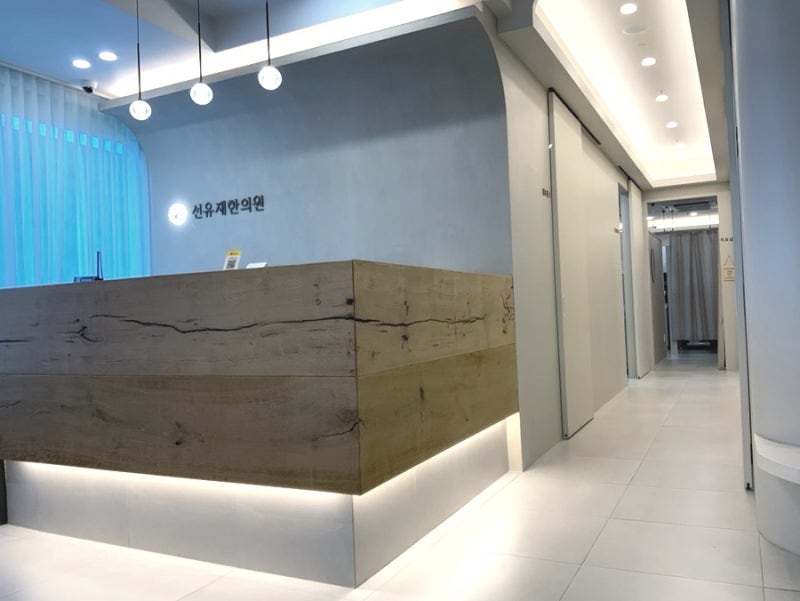
Hello, this is Sunyujae Korean Medicine Clinic, a place where kind hearts reside.

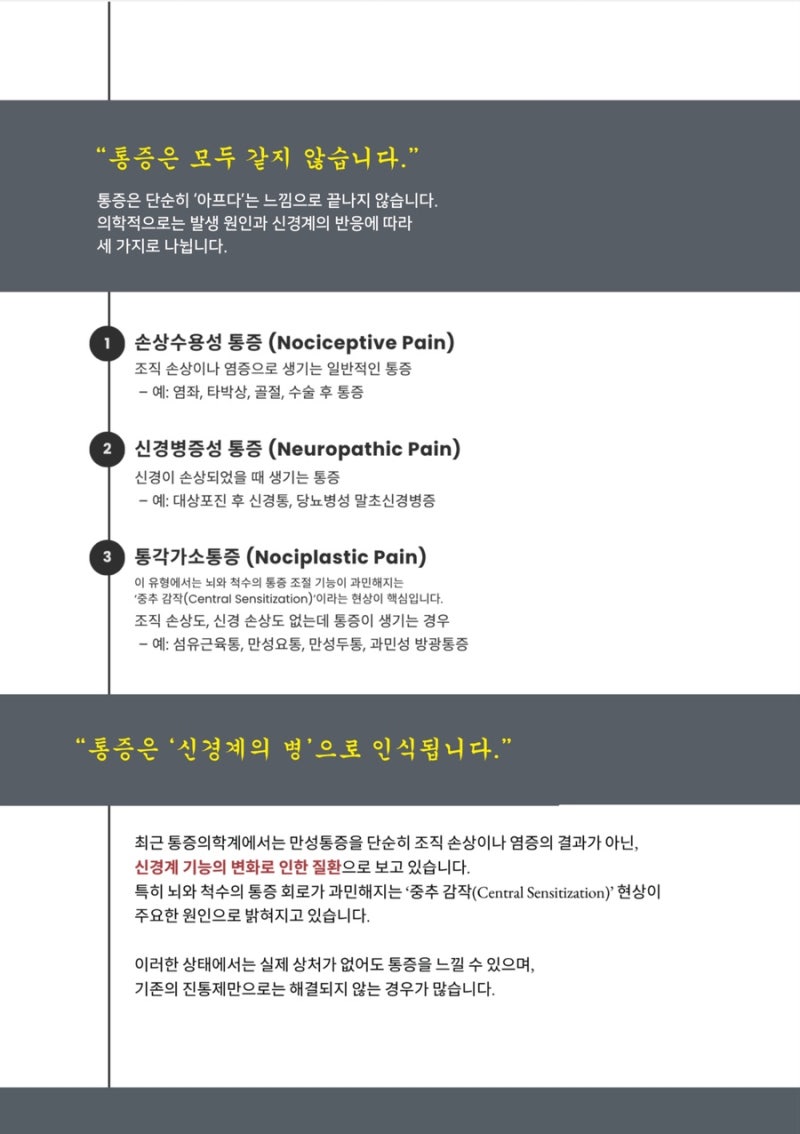
Hello, this is Dr. Chae, director of Sunyujae Korean Medicine Clinic. “My test results are normal, so why do I hurt so much?” This is a question I often hear in the clinic. Pain that continues for more than three months is now considered an independent disease called ‘chronic pain.’ Behind this is a phenomenon called central sensitization. It’s a state where the injury has already healed, but the sensitized brain and spinal cord continue to send ‘pain’ signals.
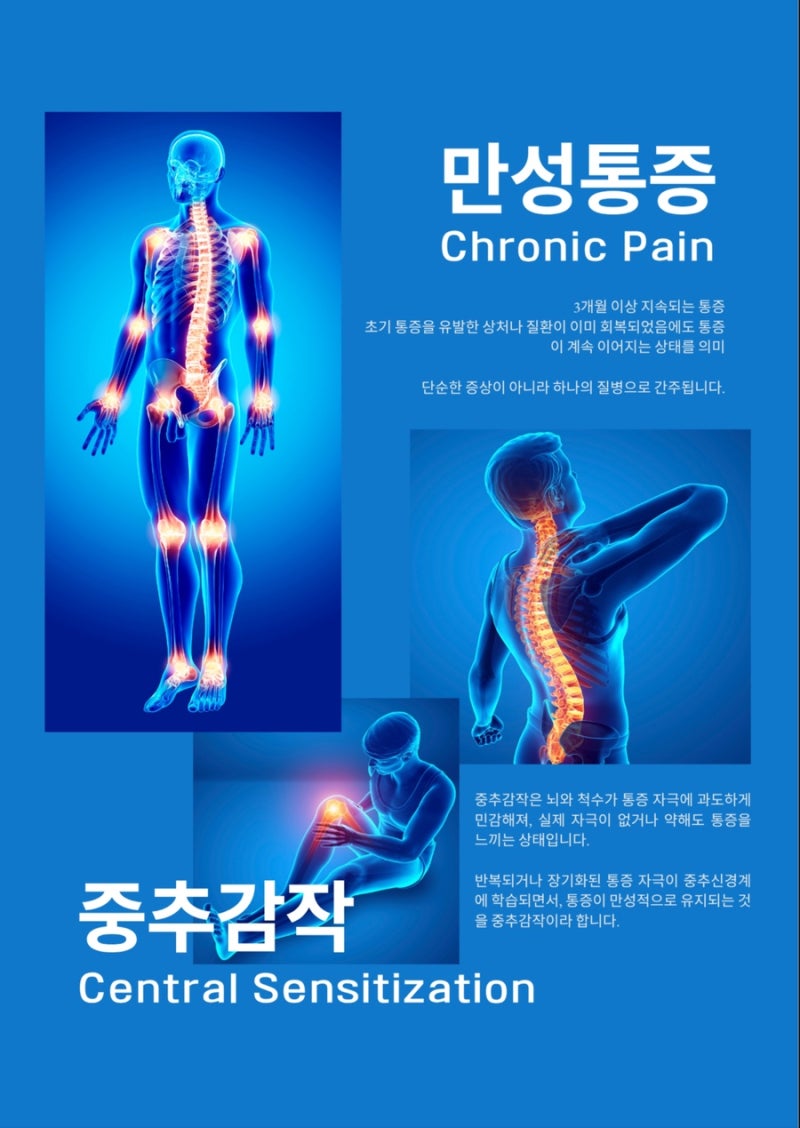
Therefore, chronic pain does not improve by simply enduring it; treatment to calm the nervous system is necessary. Today, I will explain chronic pain and central sensitization in a simpler way. Chronic Pain (慢性痛症) refers to pain that lasts for more than three months.
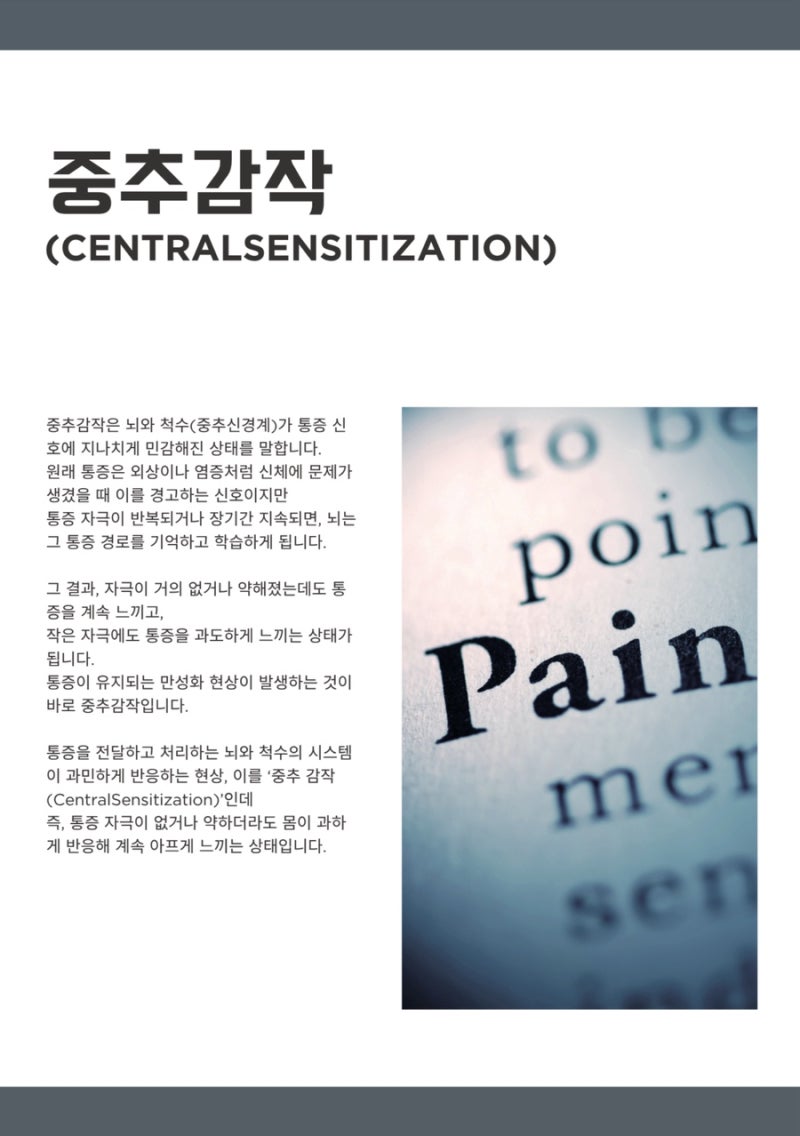
Even if the initial injury or disease that caused the pain has already recovered, the pain continues. It is considered not merely a symptom but a disease. Central Sensitization at Sunyujae Korean Medicine Clinic in Suji-gu: Central sensitization is a state where the brain and spinal cord become excessively sensitive to pain stimuli, causing pain to be felt even when there is no actual stimulus or only a weak one.
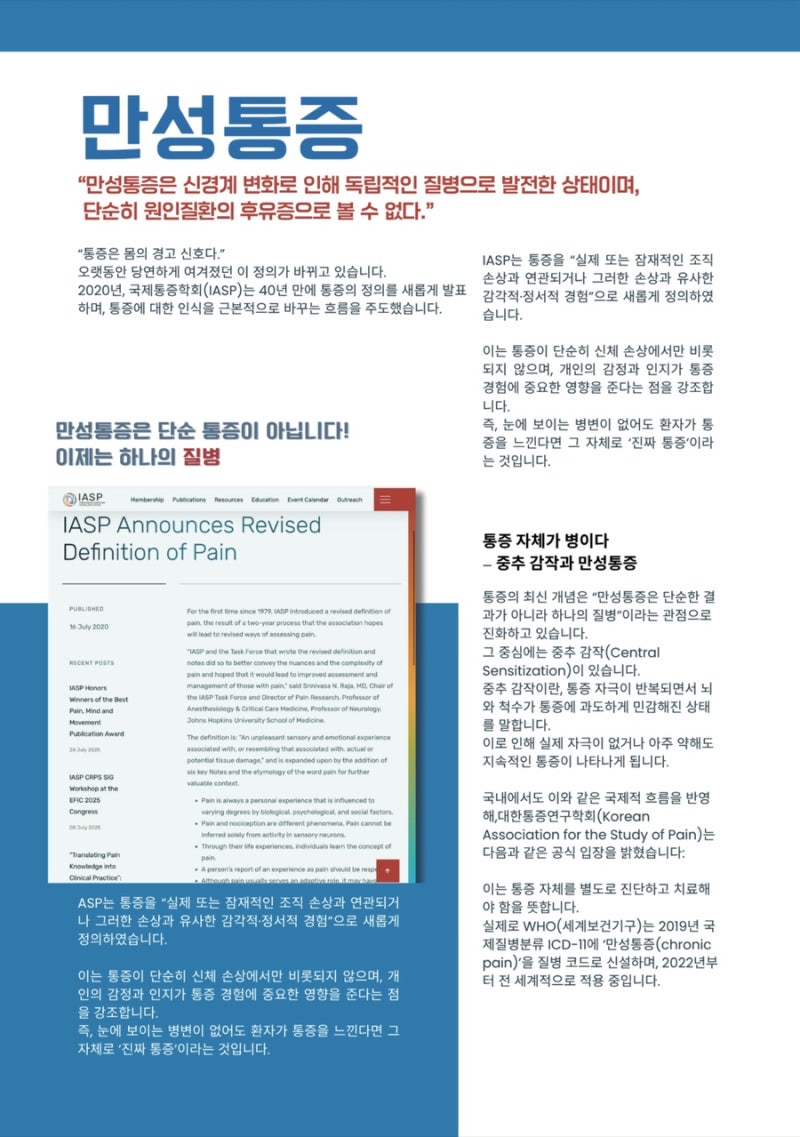
When repeated or prolonged pain stimuli are ‘learned’ by the central nervous system, and pain is maintained chronically, this is called central sensitization. Chronic pain is not just simple pain! It is now a disease. “Chronic pain is a state that has developed into an independent disease due to changes in the nervous system, and cannot be simply viewed as a sequela of the underlying disease.” “Pain is the body’s warning signal.” This definition, long taken for granted, is changing.
In 2020, the International Association for the Study of Pain (IASP) redefined pain for the first time in 40 years, leading a fundamental shift in the understanding of pain.
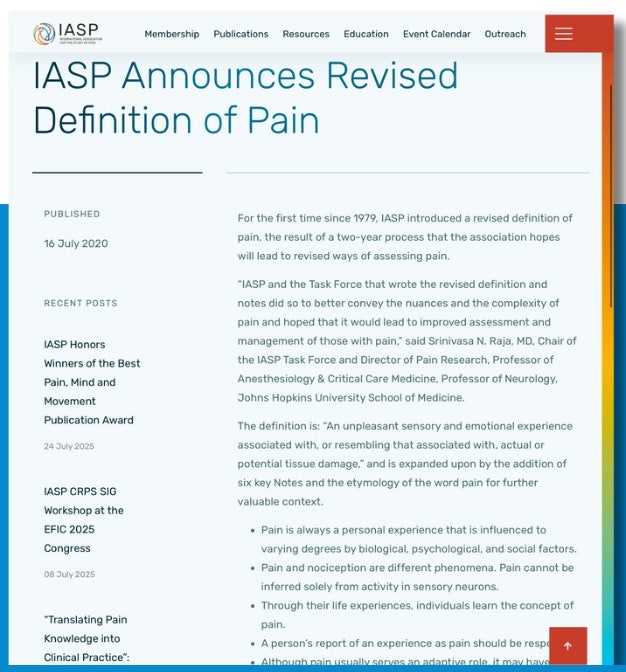
The IASP newly defined pain as “an unpleasant sensory and emotional experience associated with, or resembling that associated with, actual or potential tissue damage.” This emphasizes that pain does not simply originate from physical injury, and that an individual’s emotions and cognition significantly influence the pain experience. In other words, even if there is no visible lesion, if a patient feels pain, that in itself is ‘real pain’.
Pain itself is a disease! Central Sensitization and Chronic Pain at Sunyujae Korean Medicine Clinic: The latest concept of pain is evolving into the view that “chronic pain is not merely a result, but a disease.” At its core is central sensitization.
Central sensitization refers to a state where the brain and spinal cord become excessively sensitive to pain as pain stimuli are repeated. As a result, persistent pain appears even when there is no actual stimulus or only a very weak one. Reflecting this international trend, the Korean Association for the Study of Pain has also issued the following official statement.
This means that pain itself must be diagnosed and treated separately. In fact, the WHO (World Health Organization) established ‘chronic pain’ as a disease code in the International Classification of Diseases (ICD-11) in 2019, and it has been applied globally since 2022. Dr. Chae explains “Chronic Pain Treatment Methods in Korean Medicine” at Sunyujae Korean Medicine Clinic in Suji-gu – Understanding Persistent Pain, Chronic Pain, and Central Sensitization Properly. Acupuncture Treatment – Regulating the Brain’s Pain Response
At Sunyujae Korean Medicine Clinic, when pain is not simply a muscle or joint problem, the brain and spinal cord, i.e., the central nervous system, often remember and repeat the pain. In Korean medicine, acupuncture is applied to specific acupoints to stabilize these hypersensitive neural circuits. Especially when stimulating key acupoints related to pain control, the brain’s pain response itself is alleviated, resulting in a reduction in ‘pain sensitivity’.
Electroacupuncture (Low-Frequency Stimulation Acupuncture) – Nervous System Regulation Assistance at Sunyujae Korean Medicine Clinic: Electroacupuncture is a treatment that connects low-frequency current to simple acupuncture stimulation. This method directly acts on nerve conduction and is effective in suppressing pain signals. Electroacupuncture is particularly used for neuropathic pain, fibromyalgia, and pain of unknown cause, and is one of the key treatments for chronic pain caused by central sensitization.
Herbal Medicine Treatment – Improving Constitution / Calming the Nervous System at Sunyujae Korean Medicine Clinic in Suji-gu: Herbal medicine is not just a simple pain reliever. It calms the nervous system when it is sensitive and overreacting, and simultaneously improves constitutional issues that are the root cause of pain. For example, if pain is caused by stagnant qi and blood circulation, herbs are used to promote circulation; if nerves are frayed due to stress, herbs that stabilize the mind and body are used.
Pharmacopuncture & Chuna Manual Therapy – Addressing Inflammation and Structural Problems Together at Sunyujae Korean Medicine Clinic in Suji-gu: When pharmacopuncture, refined herbal medicine ingredients, is directly injected into the painful area, rapid effects such as inflammation reduction, muscle relaxation, and improved local blood circulation can be expected. Furthermore, for pain caused by poor posture or misaligned structures, Chuna manual therapy helps with alignment, promoting fundamental recovery.
In Korean medicine, the focus is not simply on “enduring” pain, but on changing the “patterns” of the body and nervous system that produce pain. If the cause of pain is difficult to find and there are no abnormalities in tests, yet the pain persists, Korean medicine treatment for central sensitization could be a new direction. We recommend consulting with an expert to find the treatment that is right for you.
https://m.blog.naver.com/sunyujae21/223966207664 👉 The images below are from Monthly Sunyujae, please refer to them.
Valuable information for a healthy life We hope you will join Sunyujae Korean Medicine Clinic in sharing. Sunyujae Korean Medicine Clinic in Suji-gu pursues evidence-based medicine and integrative medicine.
This post was written directly by the medical staff of Sunyujae Korean Medicine Clinic to provide medical information, in compliance with Article 56(2) and Article 57(3) of the Medical Service Act. The duration and outcome of treatment may vary from person to person, so please consult a qualified practitioner before beginning treatment.
Consultation & Booking
Have questions? Reach us anytime via KakaoTalk or phone.