![[Sunyujae Korean Medicine Clinic] Postpartum Diet Herbal Medicine: Recover Your Body and Lose Weight Simultaneously After Childbirth](https://syjkmc.kr/wp-content/uploads/2026/06/224283478255_img_0.jpeg)
Hello, this is Sunyujae Korean Medicine Clinic, where kind hearts reside.

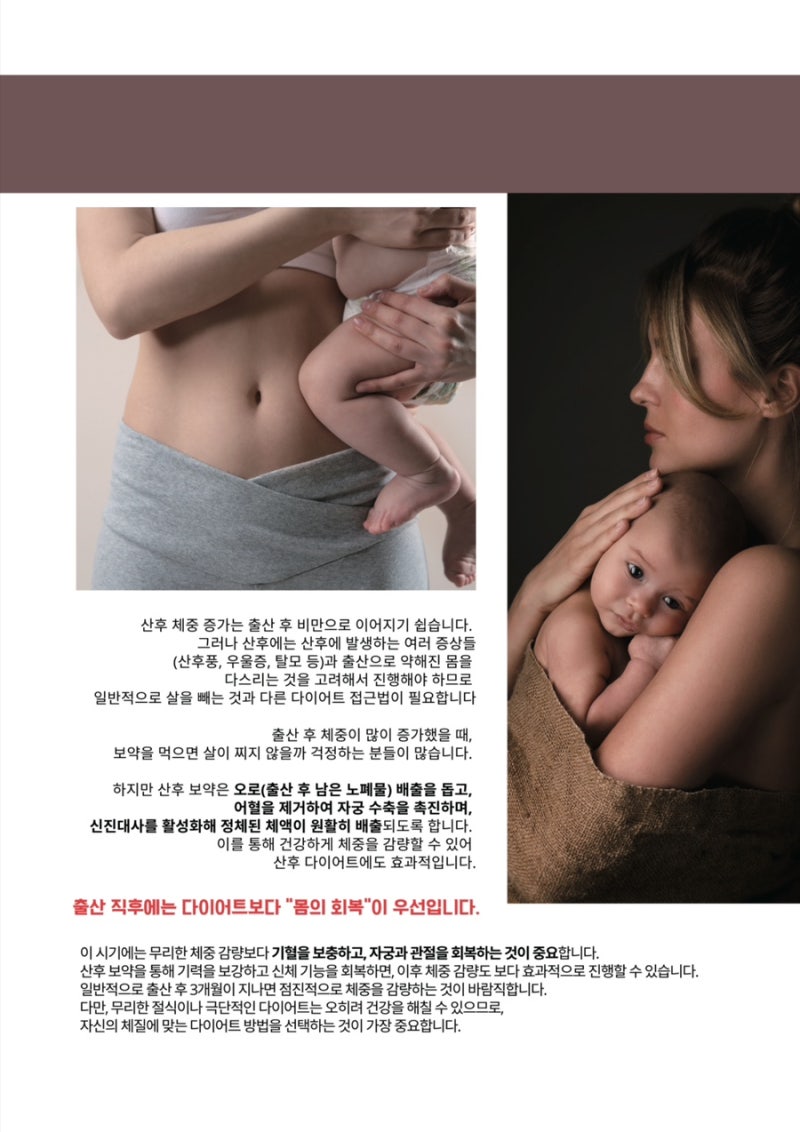
Many people are concerned about weight gain after childbirth. The weight naturally gained during pregnancy often doesn’t easily come off after delivery, leading to worries like ‘What if this leads to obesity?’ However, postpartum diet requires a different approach than general dieting.
This is because it’s essential to consider various symptoms that can appear after childbirth, such as postpartum illness (sanhu-pung), hair loss, and depression, along with the body weakened by delivery. Rather than simply trying to lose weight, a healthy diet focused on body recovery is needed first. In this article, we will explain in detail why postpartum herbal medicine helps with postpartum weight loss, and when and how to best start losing weight after childbirth.
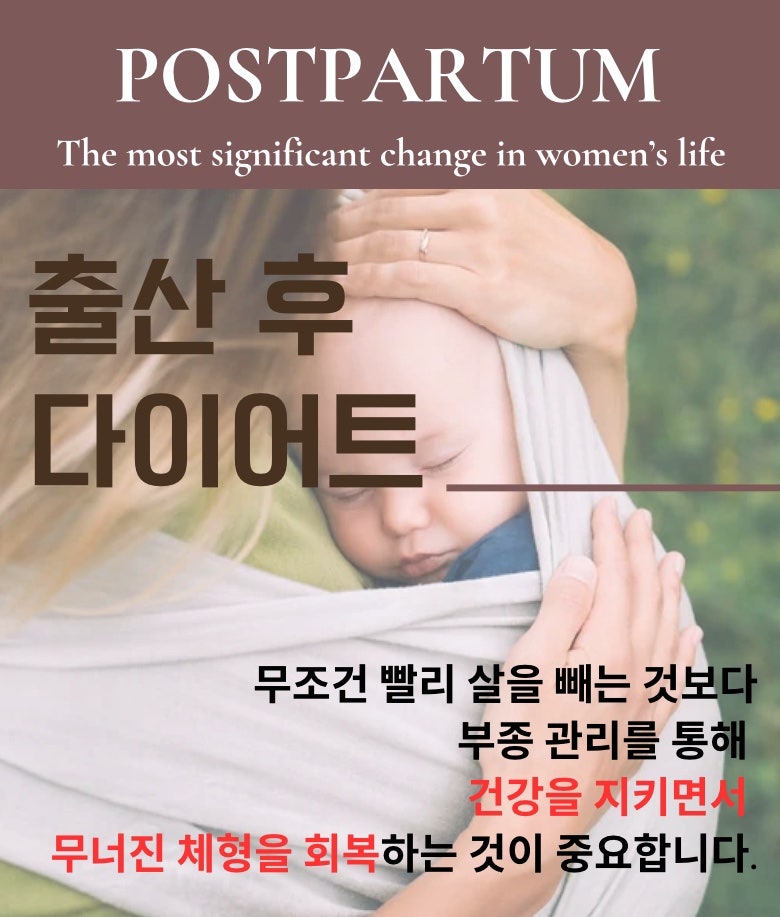
Postpartum weight gain can easily lead to postpartum obesity. However, postpartum weight management must consider various postpartum symptoms (such as postpartum illness, depression, hair loss, etc.) and the body weakened by childbirth, thus requiring a different diet approach than general weight loss. Many people worry that taking herbal medicine will lead to weight gain when they have gained a lot of weight after childbirth.
However, postpartum herbal medicine helps expel lochia (remaining waste after childbirth), removes stagnant blood (eohyeol) to promote uterine contractions, and activates metabolism to ensure smooth discharge of retained bodily fluids. This allows for healthy weight loss, making it effective for postpartum dieting. Immediately after childbirth, “body recovery” takes precedence over dieting.
During this period, it is more important to replenish qi and blood and recover the uterus and joints than to pursue aggressive weight loss. By strengthening vitality and restoring bodily functions through postpartum herbal medicine, subsequent weight loss can be achieved more effectively. Generally, it is advisable to gradually lose weight after 3 months postpartum.
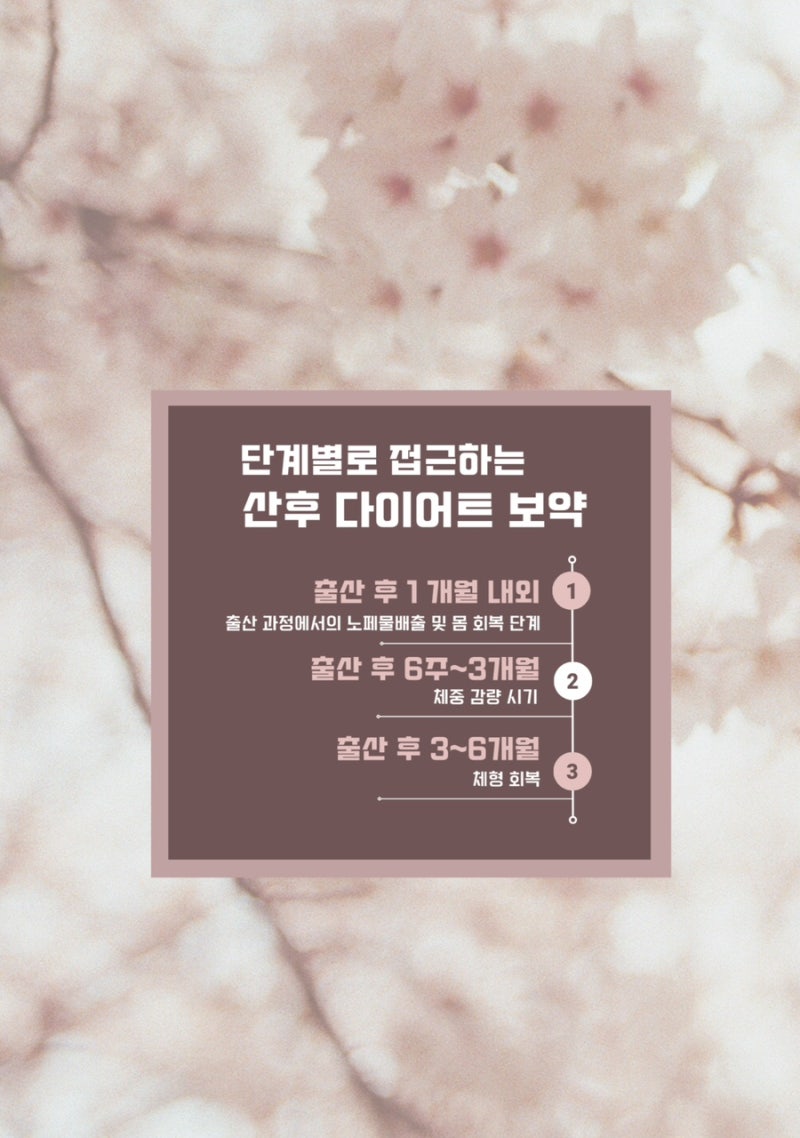
However, excessive fasting or extreme dieting can harm your health, so choosing a diet method that suits your body type is most important. Step-by-step approach to postpartum diet herbal medicine: 1. Approximately 1 month after childbirth : Waste expulsion and body recovery phase during pregnancy and childbirth. 2. 6 weeks to 3 months after childbirth
Weight Loss Period 3. Postpartum 3. 3-6 months after childbirth: Body shape recovery. Postpartum Diet Q&A Q. When should I start losing weight?
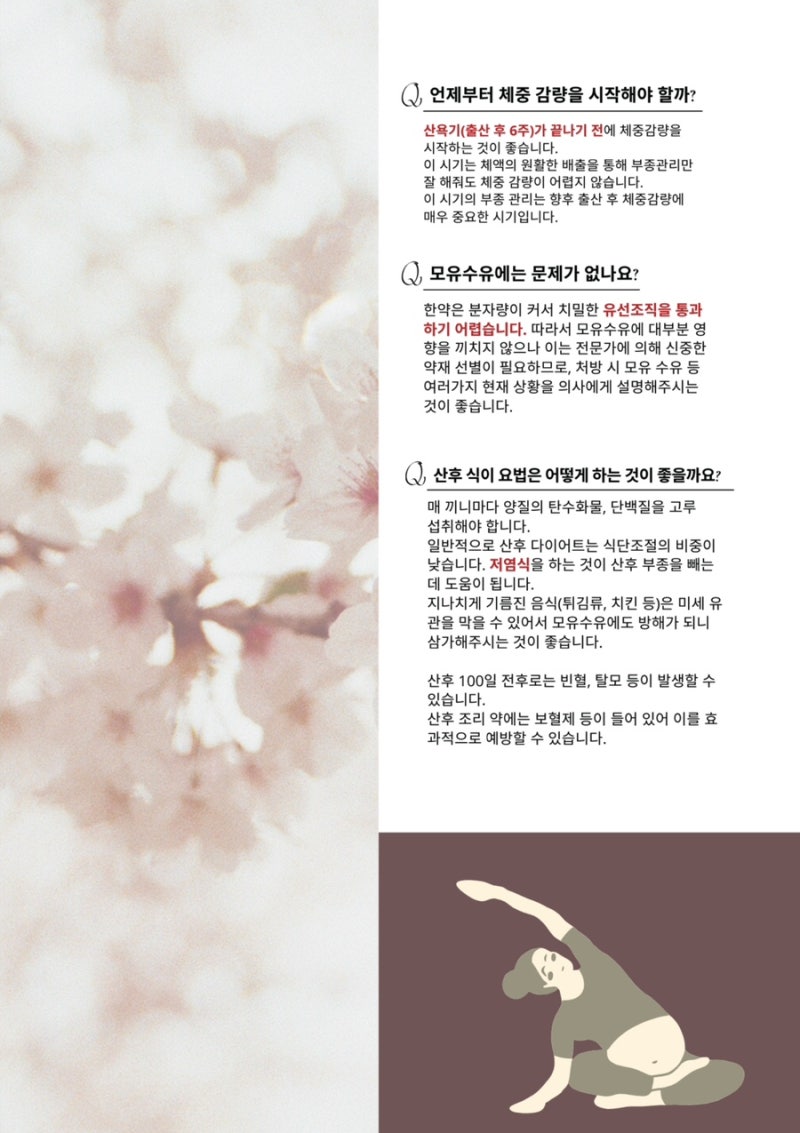
A. It is recommended to start weight loss before the puerperium (6 weeks after childbirth) ends. During this period, simply managing edema well through smooth fluid discharge can make weight loss not difficult.
Edema management during this period is crucial for future postpartum weight loss. Q. Is it safe for breastfeeding?
A. Herbal medicine has a large molecular weight, making it difficult to pass through dense mammary gland tissue. Therefore, it generally does not affect breastfeeding. However, careful selection of medicinal herbs by an expert is necessary, so it is advisable to inform your doctor about your current situation, including breastfeeding, when receiving a prescription.
Q. What about postpartum diet? Q. What is the best postpartum diet? You should consume a balanced intake of high-quality carbohydrates and proteins at every meal.
Generally, dietary control plays a lesser role in postpartum dieting. A low-salt diet helps reduce postpartum edema. Excessively greasy foods (such as fried foods, chicken, etc.) can block milk ducts and interfere with breastfeeding, so it’s best to avoid them.
Around 100 days postpartum, anemia, hair loss, and other issues may occur. Postpartum recovery herbal medicine often contains blood tonics, which can effectively prevent these issues.
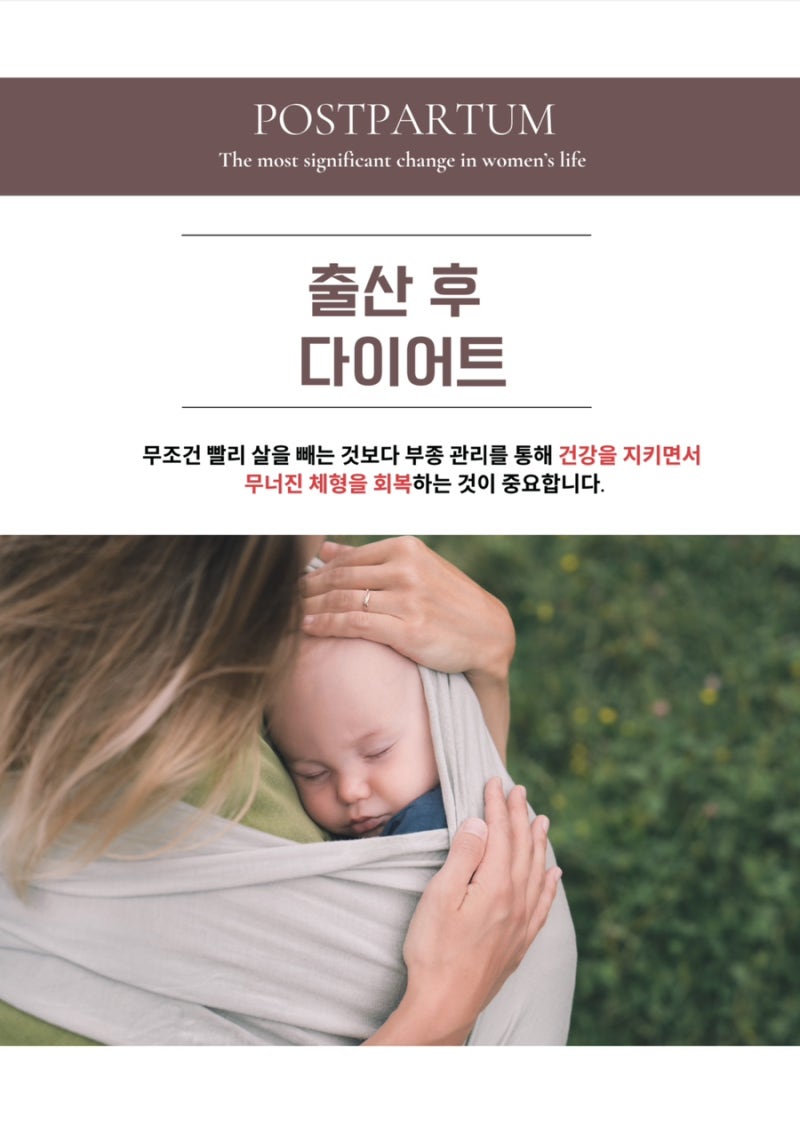
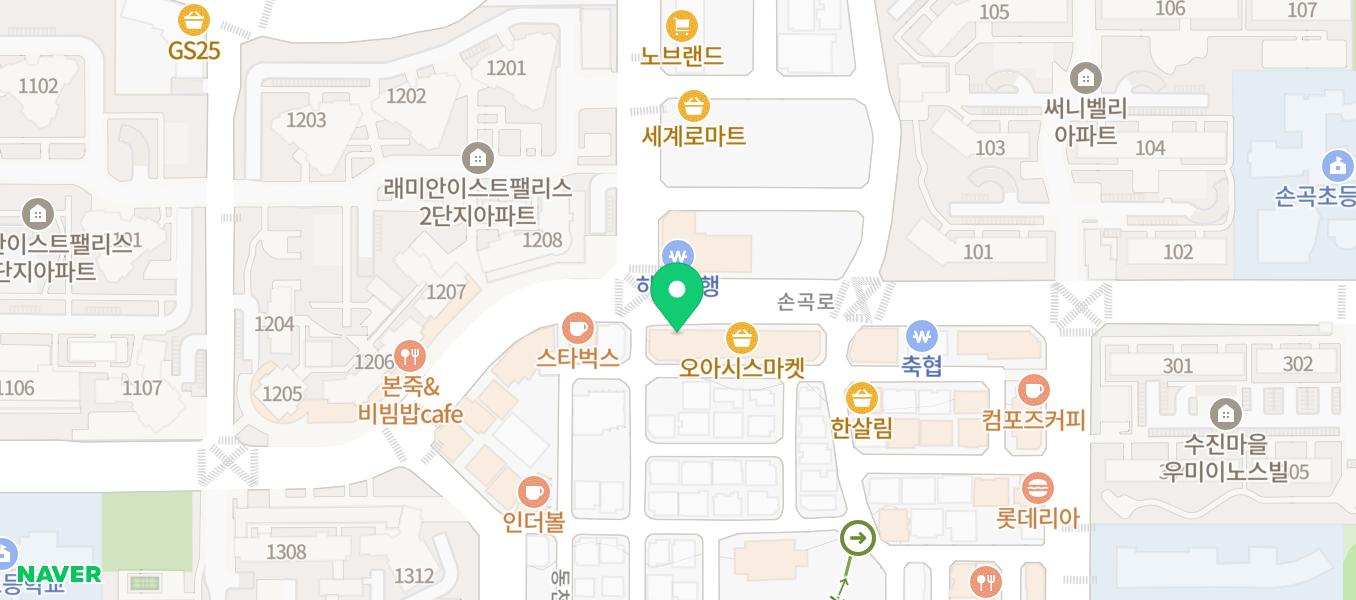
Sunyujae Korean Medicine Clinic in Suji-gu pursues evidence-based medicine and integrative medicine.
This post was written directly by the medical staff of Sunyujae Korean Medicine Clinic to provide medical information, in compliance with Article 56(2) and Article 57(3) of the Medical Service Act. The duration and outcome of treatment may vary from person to person, so please consult a qualified practitioner before beginning treatment.
Consultation & Booking
Have questions? Reach us anytime via KakaoTalk or phone.