Hello, this is Sunyujae Korean Medicine Clinic, a place where kind hearts reside.
![[선유재한의원] 지속 가능한 다이어트 한약 다이어트에 대해 알려드리겠습니다.](https://syjkmc.kr/wp-content/uploads/2026/06/223826075741_img_0.png)

Hello. I am Dr. Hyocheong Chae, director of Sunyujae Korean Medicine Clinic. With the warm spring air upon us, many people are considering a diet to lighten their bodies and minds after the long winter.
However, repeatedly engaging in excessive fasting or strenuous exercise with the sole goal of short-term weight loss often harms one’s health or leads to a greater burden due to the yo-yo effect. Therefore, in this article, we will tell you about dieting for‘healthy weight loss and sustainable dieting.’ Korean medicine dieting is not merely about losing weight; it is a process of restoring the body’s balance and transforming it into a healthy state through constitutional improvement.
Now, Sunyujae Korean Medicine Clinic’s approach to sustainable dieting. Let’s explore it together.
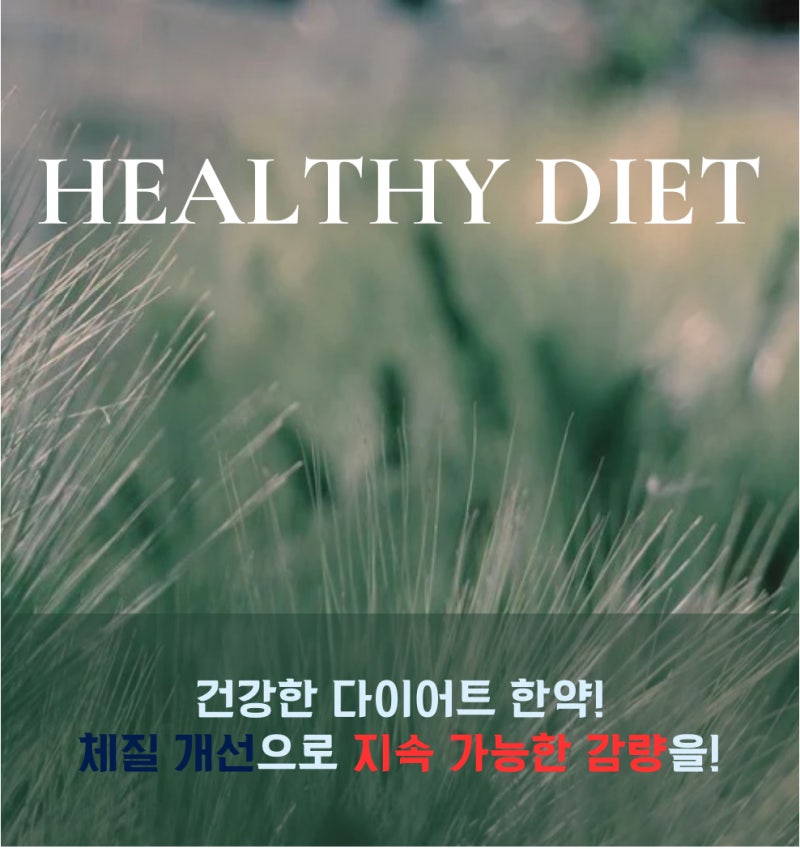
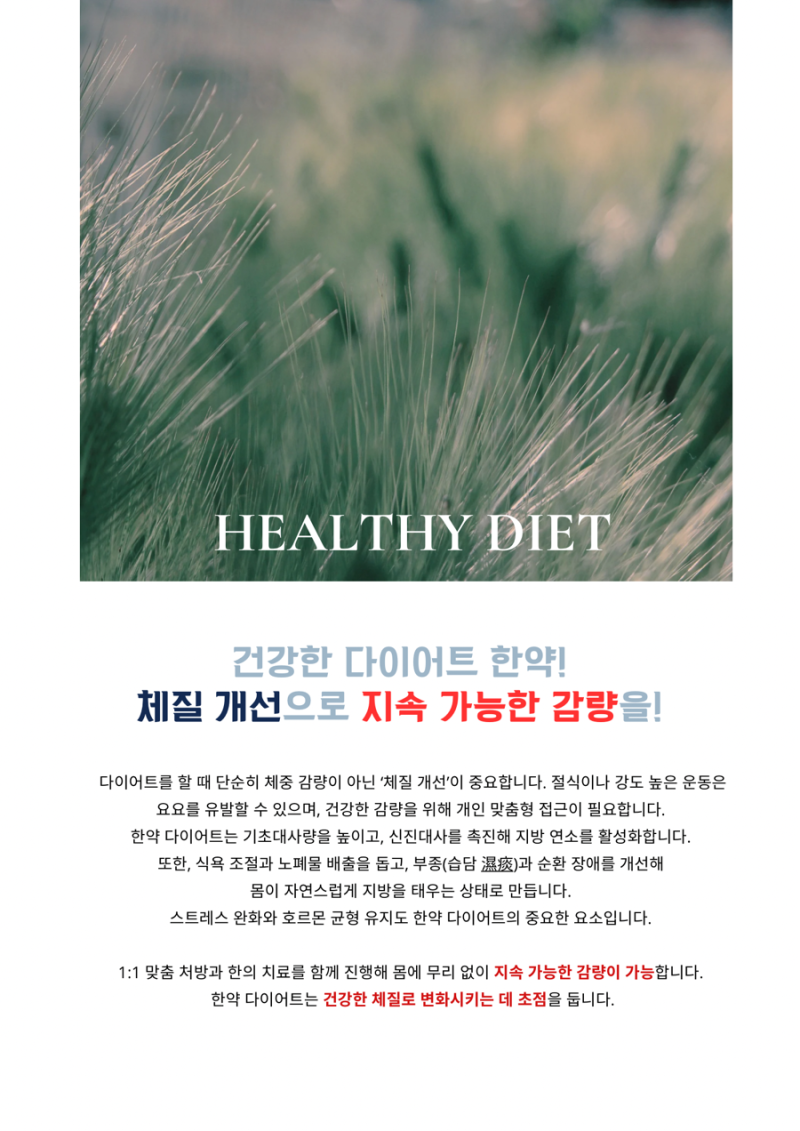
When dieting, ‘constitutional improvement’ is important, not just weight loss. Excessive fasting or high-intensity exercise can cause a yo-yo effect, and a personalized approach is necessary for healthy weight loss. Herbal medicine diets increase basal metabolic rate and promote metabolism, activating fat burning.
Furthermore, they help control appetite, eliminate waste products, and improve edema (dampness-phlegm) and circulatory disorders, bringing the body into a state where it naturally burns fat. Stress relief and maintaining hormonal balance are also important aspects of herbal medicine diets. With 1:1 customized prescriptions and Korean medicine treatments, sustainable weight loss is possible without straining the body.
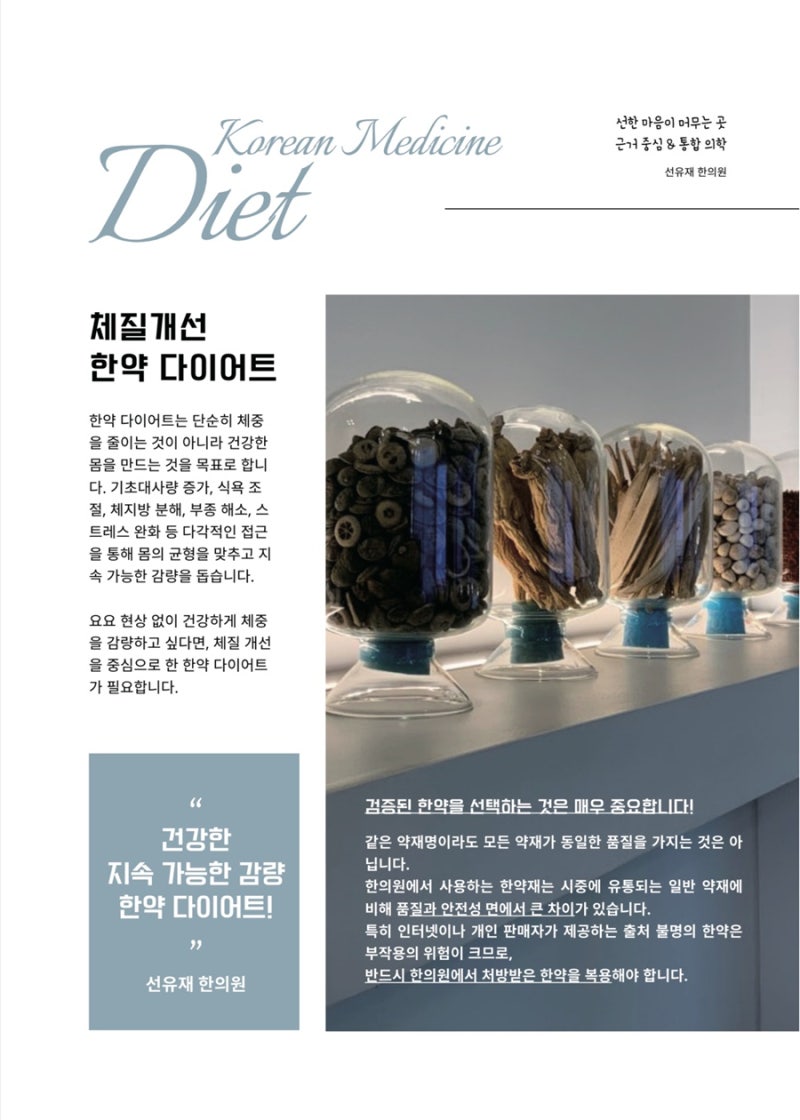
Herbal medicine diets focus on transforming the body into a healthy constitution. Constitutional improvement – herbal medicine diet! Herbal medicine diets aim not merely to reduce weight but to build a healthy body.
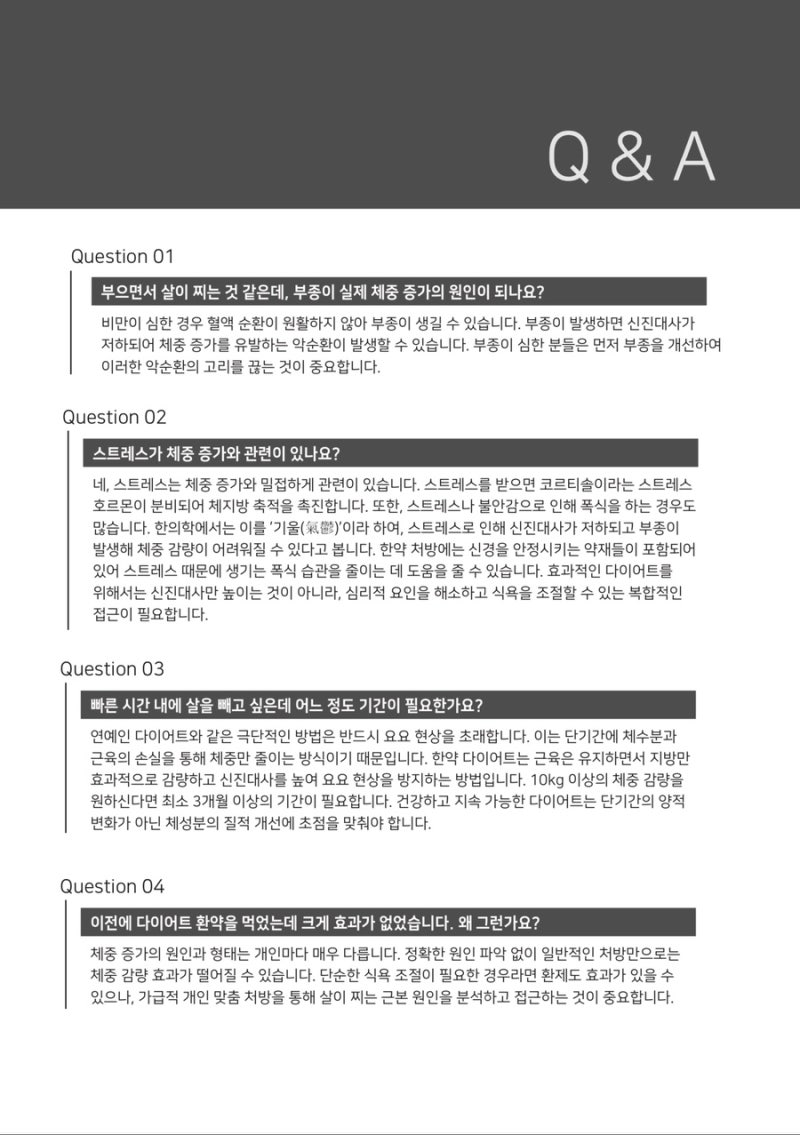
Increased basal metabolic rate, appetite control, body fat breakdown, edema relief, and stress reduction – through a multifaceted approach, they help balance the body and support sustainable weight loss. If you want to lose weight healthily without the yo-yo effect, an herbal medicine diet focused on constitutional improvement is necessary. Diet herbal medicine, FAQs Q. I feel like I’m gaining weight while swelling; can edema actually cause weight gain?
A. In cases of severe obesity, poor blood circulation can lead to edema. When edema occurs, metabolism can decrease, creating a vicious cycle that contributes to weight gain.
For those with severe edema, it is important to first improve the edema to break this vicious cycle. Q. Is stress related to weight gain?
A. Yes, stress is closely related to weight gain. When stressed, the stress hormone cortisol is secreted, which promotes body fat accumulation.
Furthermore, due to stress or anxiety, many people tend to binge eat. In Korean medicine, this is called ‘Gi-ul (Qi stagnation),’ and it is believed that stress can lead to decreased metabolism and edema, making weight loss difficult. Herbal medicine prescriptions often include ingredients that stabilize the nerves, which can help reduce binge-eating habits caused by stress.
For effective dieting, a comprehensive approach is needed that not only boosts metabolism but also addresses psychological factors and controls appetite. Q. I have hypothyroidism; can I still do an herbal medicine diet?
A. If you have metabolic disorders such as hypothyroidism, you must not misuse arbitrary prescriptions and should always receive a customized prescription from a specialist. Accurate diagnosis and prescription tailored to your individual health condition and constitution are crucial.
Q. If I take diet herbal medicine for a long time, will it not burden my liver? A. Customized herbal medicine prescribed by a professional Korean medicine doctor is formulated according to an individual’s constitution and condition, so
when taken correctly, it does not strain liver function. However, all medication should be taken under the guidance of a specialist for an appropriate duration. Q. I want to lose weight quickly; how long does it take?
A. Extreme methods like celebrity diets invariably lead to the yo-yo effect. This is because they only reduce weight by causing short-term loss of body water and muscle.
Herbal medicine diets are a method that effectively reduces only fat while maintaining muscle and boosts metabolism to prevent the yo-yo effect. If you wish to lose more than 10kg, a minimum period of 3 months or more is required. Healthy and sustainable dieting should focus on the qualitative improvement of body composition, not just short-term quantitative changes.
Q. I previously took diet pills, but they weren’t very effective. Why is that?
A. The causes and forms of weight gain vary greatly from person to person. Without accurately identifying the underlying cause, general prescriptions alone may have limited weight loss effects.
While pills might be effective for simple appetite control, it is generally important to analyze and address the fundamental causes of weight gain through personalized prescriptions. Q. How much should I exercise while dieting?
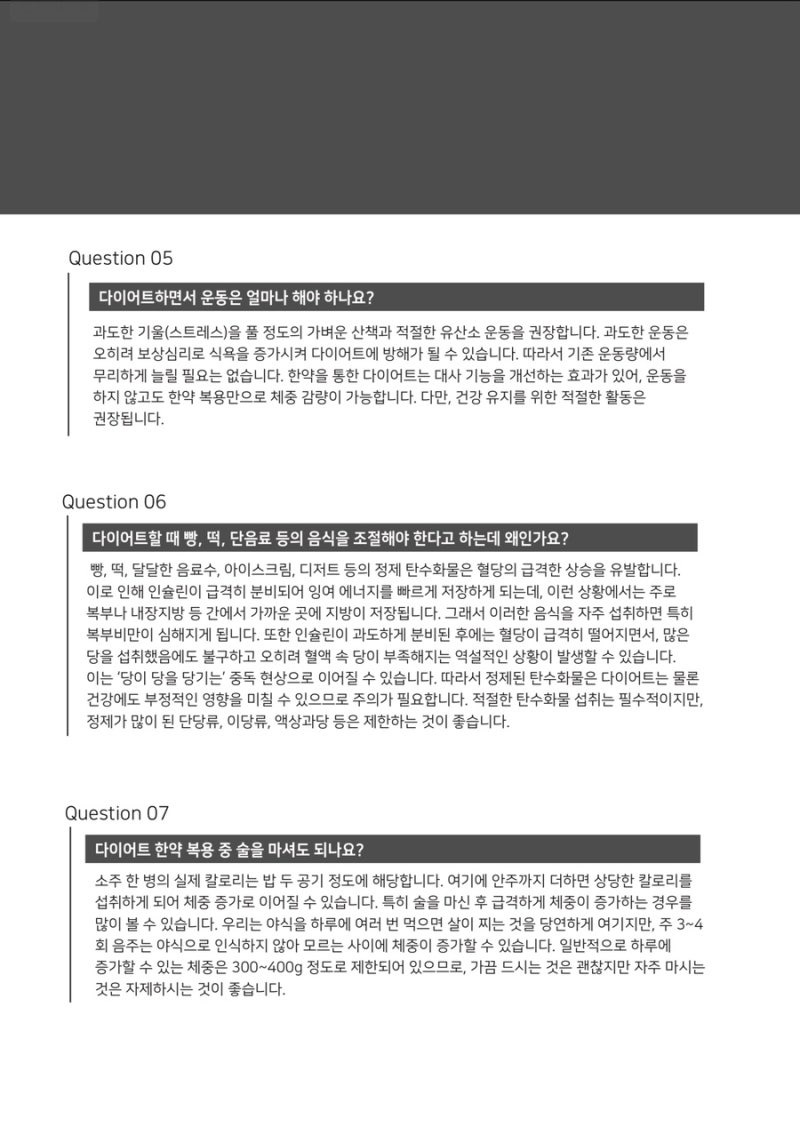
A. Light walks sufficient to relieve excessive Gi-ul (stress) and appropriate aerobic exercise are recommended. Excessive exercise can actually hinder dieting by increasing appetite due to compensatory psychology.
Therefore, there is no need to drastically increase your existing exercise routine. Dieting with herbal medicine has the effect of improving metabolic function, making weight loss possible through herbal medicine intake alone, even without exercise. However, appropriate activity for maintaining health is still recommended.
Q. When dieting, should I control foods like bread, rice cakes, and sweet drinks? Why? A. Refined carbohydrates such as bread, rice cakes, sweet drinks, ice cream, and desserts cause a rapid rise in blood sugar. This leads to a rapid secretion of insulin, which quickly stores excess energy.
In such situations, fat is primarily stored in areas close to the liver, such as the abdomen and visceral fat. Therefore, frequent consumption of these foods can particularly worsen abdominal obesity. Furthermore, after excessive insulin secretion, blood sugar levels can drop sharply, leading to a paradoxical situation where, despite consuming a lot of sugar, there is a lack of sugar in the blood.
This can lead to an addictive phenomenon where ‘sugar craves sugar.’ Therefore, refined carbohydrates can have negative effects on both dieting and overall health, so caution is needed. While appropriate carbohydrate intake is essential, it is best to limit highly refined monosaccharides, disaccharides, and high-fructose corn syrup.
Q. Can I drink alcohol while taking diet herbal medicine? A. The actual calories in one bottle of soju are equivalent to about two bowls of rice.
If you add snacks to that, you consume a significant amount of calories, which can lead to weight gain. In particular, we often see rapid weight gain after drinking alcohol. We naturally assume that eating late-night snacks multiple times a day leads to weight gain, but drinking 3-4 times a week is not perceived as a late-night snack, so weight can increase unknowingly.
Generally, the maximum weight that can be gained in a day is limited to about 300-400g, so occasional consumption is fine, but it’s best to refrain from frequent drinking. *This article was written for the purpose of providing information on Korean medicine for dieting.
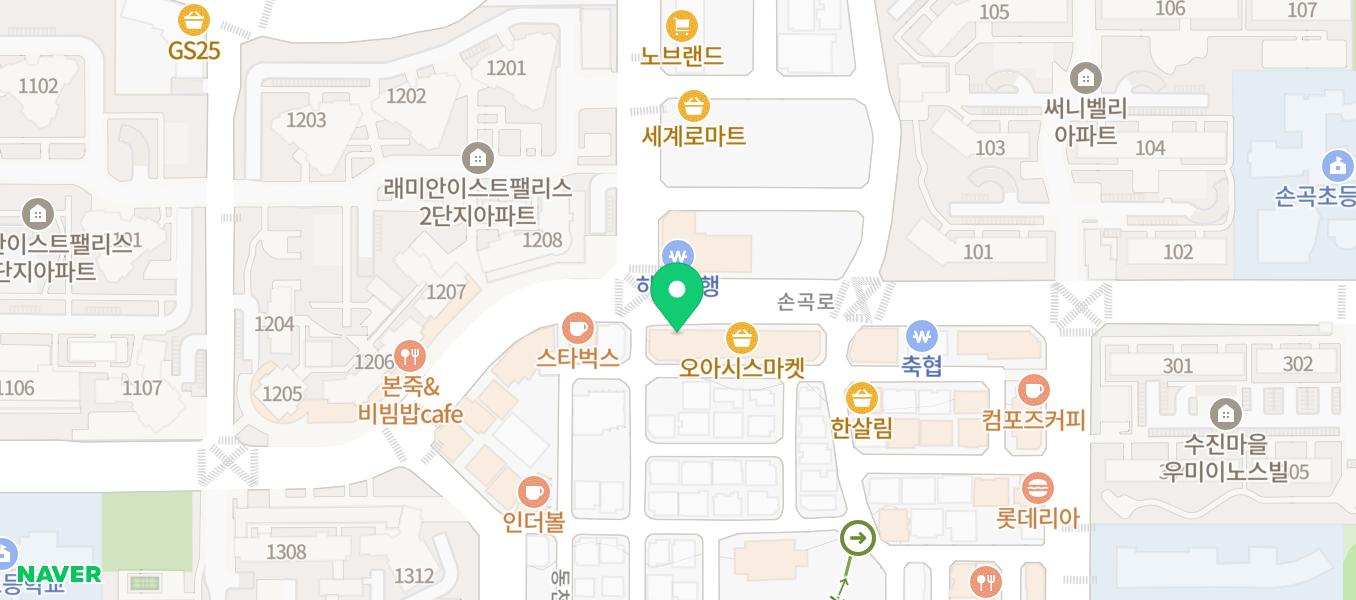
We hope you will join Sunyujae Korean Medicine Clinic in sharing valuable information for a healthy life. Sunyujae Korean Medicine Clinic in Suji-gu pursues evidence-based medicine and integrative medicine.
This post was written directly by the medical staff of Sunyujae Korean Medicine Clinic to provide medical information, in compliance with Article 56(2) and Article 57(3) of the Medical Service Act. The duration and outcome of treatment may vary from person to person, so please consult a qualified practitioner before beginning treatment.
Consultation & Booking
Have questions? Reach us anytime via KakaoTalk or phone.