![[선유재한의원] 산모와 태아 건강을 위한 한약에 대해 알려드리겠습니다.](https://syjkmc.kr/wp-content/uploads/2026/06/224283478255_img_0.jpeg)
Hello, this is Sunyujae Korean Medicine Clinic, a place where kind hearts reside.

Hello, I am Dr. Hyocheong Chae, director of Sunyujae Korean Medicine Clinic. During pregnancy, even small changes can make one sensitive, and one becomes more cautious about the food or medication consumed. In particular, many people have questions and concerns about herbal medicine.
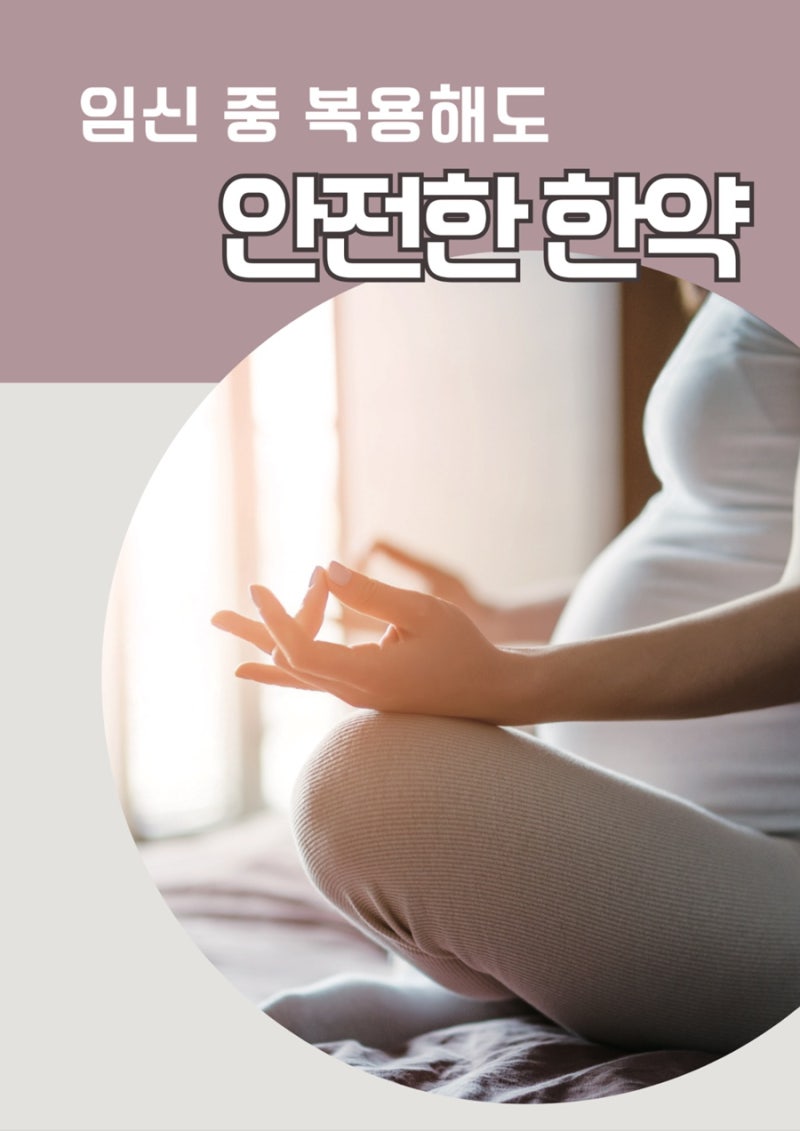
“Is herbal medicine safe for the fetus?” “Can herbal medicine be used to treat morning sickness or a cold during pregnancy?” In fact, herbal medicine has been used for thousands of years to protect the health of pregnant women, and recent studies have also proven its safety and efficacy. In particular, it can help alleviate various symptoms commonly experienced during pregnancy, such as morning sickness, colds, and skin itching.
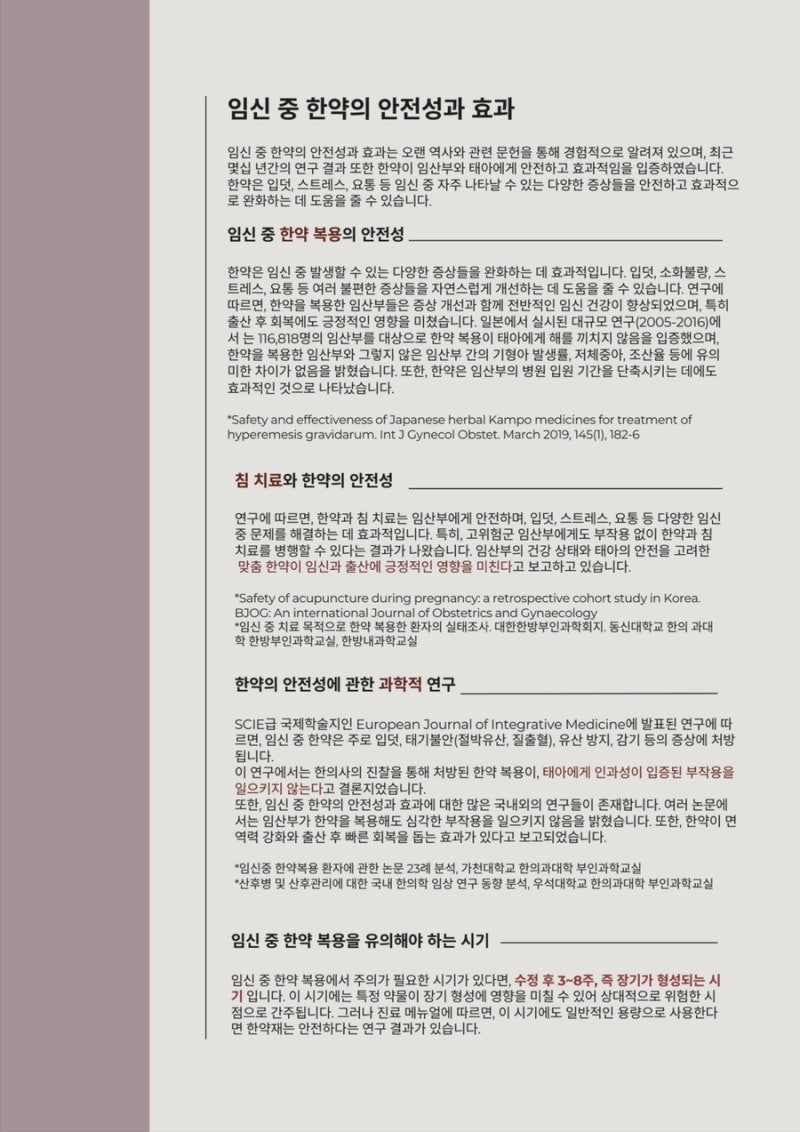
Today, we will learn more about representative herbal medicine prescriptions that can be safely taken during pregnancy and their effects. Safety and Efficacy of Herbal Medicine During Pregnancy The safety and efficacy of herbal medicine during pregnancy have been empirically known through a long history and related literature, and research results from recent decades have also proven that herbal medicine is safe and effective for pregnant women and their fetuses.
Herbal medicine can help safely and effectively alleviate various symptoms that may frequently appear during pregnancy, such as morning sickness, stress, and lower back pain.
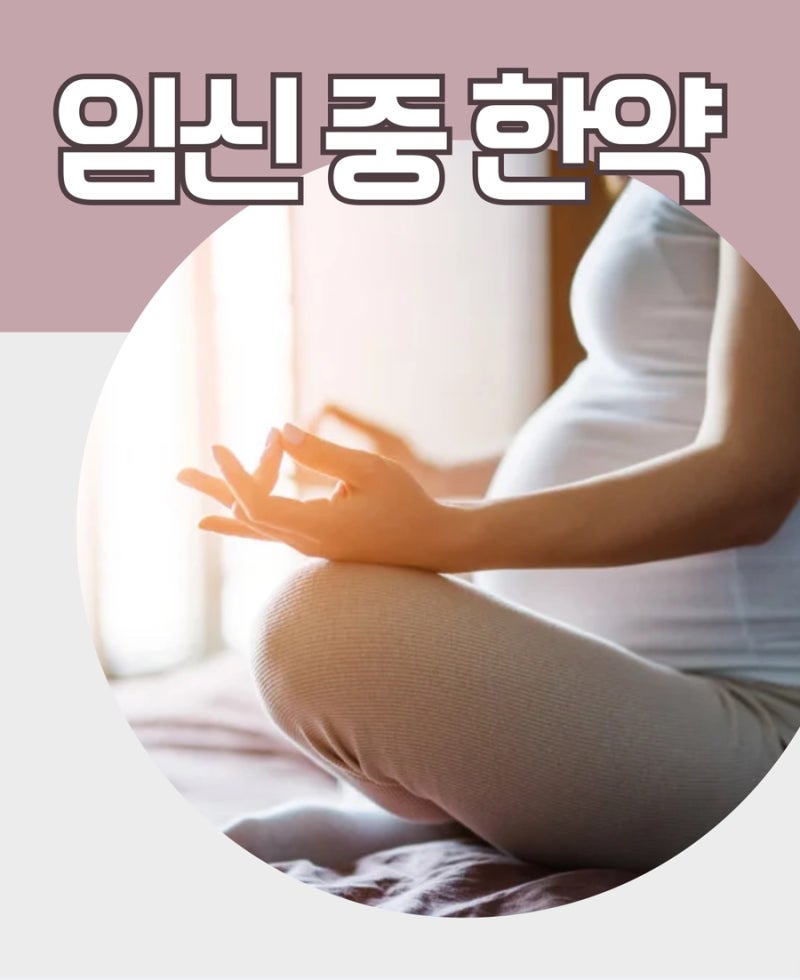
Safety of Herbal Medicine During Pregnancy Herbal medicine is effective in alleviating various symptoms that can occur during pregnancy. It can help naturally improve various uncomfortable symptoms such as morning sickness, indigestion, stress, and lower back pain. According to studies, pregnant women who took herbal medicine experienced improved symptoms and overall pregnancy health, and it had a particularly positive effect on postpartum recovery.
A large-scale study conducted in Japan (2005-2016) involving 116,818 pregnant women demonstrated that taking herbal medicine does not harm the fetus, and revealed no significant differences in the incidence of congenital anomalies, low birth weight, or preterm birth rates between pregnant women who took herbal medicine and those who did not. Furthermore, herbal medicine was found to be effective in shortening the hospital stay for pregnant women.
*Safety and effectiveness of Japanese herbal Kampo medicines for treatment of hyperemesis gravidarum. Int J Gynecol Obstet. March 2019, 145(1), 182-6 Safety of Acupuncture and Herbal Medicine According to studies, herbal medicine and acupuncture are safe for pregnant women, and effective in resolving various pregnancy-related issues such as morning sickness, stress, and lower back pain.
In particular, results showed that herbal medicine and acupuncture can be combined without side effects even for high-risk pregnant women. Personalized herbal medicine, considering the pregnant woman’s health condition and fetal safety, is reported to have a positive impact on pregnancy and childbirth. *Safety of acupuncture during pregnancy: a retrospective cohort study in Korea.
BJOG: An international Journal of Obstetrics and Gynaecology *A Survey on Patients Who Took Herbal Medicine for Therapeutic Purposes During Pregnancy. Journal of Korean Obstetrics & Gynecology. Department of Korean Obstetrics & Gynecology, Department of Korean Internal Medicine, Dongshin University College of Korean Medicine. Scientific Research on the Safety of Herbal Medicine in the SCIE-indexed international journal, European Journal of Integrative Medicine,
According to published research, herbal medicine during pregnancy is primarily prescribed for symptoms such as morning sickness, threatened miscarriage (imminent miscarriage, vaginal bleeding), miscarriage prevention, and colds. This study concluded that taking herbal medicine prescribed after examination by a Korean medicine doctor does not cause causally proven side effects in the fetus. Furthermore, numerous domestic and international studies exist regarding the safety and efficacy of herbal medicine during pregnancy.
Several papers have revealed that pregnant women taking herbal medicine do not experience serious side effects. Additionally, herbal medicine has been reported to have the effect of strengthening immunity and aiding rapid postpartum recovery. *Analysis of 23 Cases of Pregnant Patients Taking Herbal Medicine, Department of Obstetrics and Gynecology, Gachon University College of Korean Medicine. *Analysis of Domestic Korean Medicine Clinical Research Trends on Postpartum Illness and Postpartum Care, Department of Obstetrics and Gynecology, Woosuk University College of Korean Medicine. Herbal Medicine Prescriptions During Pregnancy
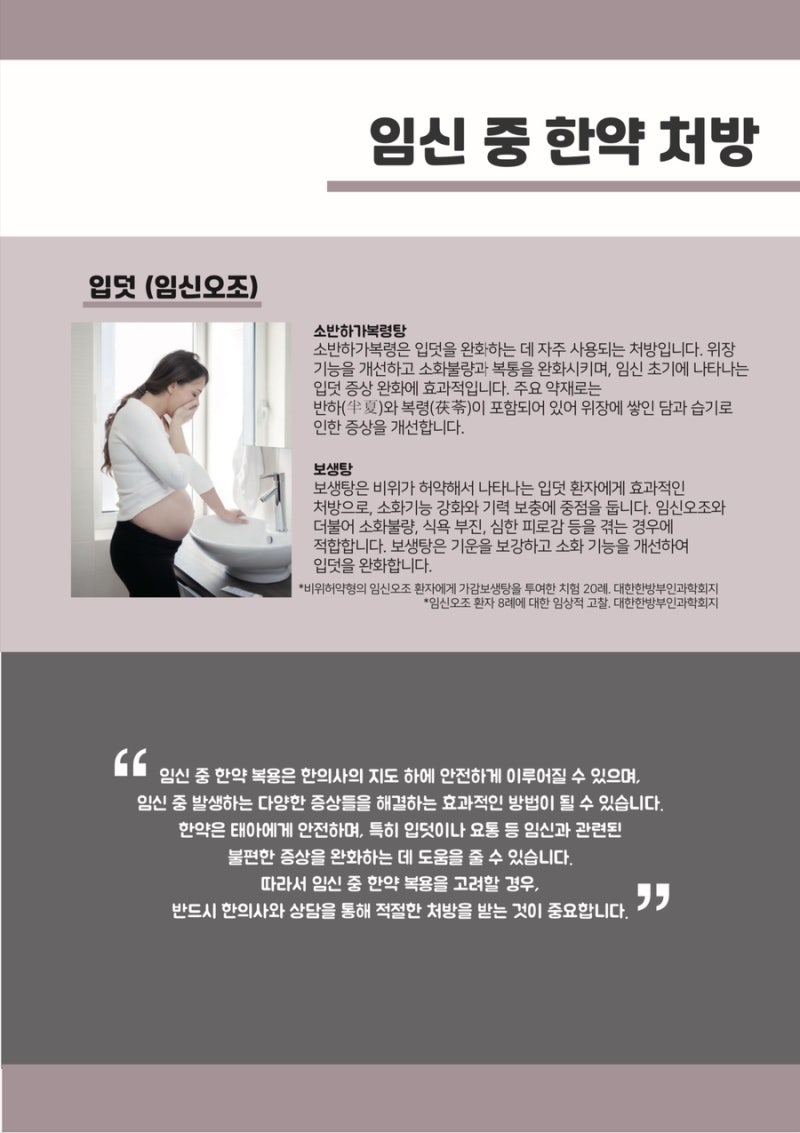
There are frequently used herbal medicine prescriptions for common symptoms during pregnancy, such as morning sickness, colds, and skin itching. However, personalized prescriptions tailored to individual body types are necessary, so it is crucial to receive a prescription through consultation with an expert Korean medicine doctor. Morning Sickness (Hyperemesis Gravidarum) – Sobanhagabokryeong-tang Sobanhagabokryeong is a frequently used prescription for alleviating morning sickness.
It improves gastrointestinal function, alleviates indigestion and abdominal pain, and is effective in relieving morning sickness symptoms that appear in early pregnancy. Its main medicinal ingredients include Pinellia (半夏) and Poria (茯苓), which improve symptoms caused by phlegm and dampness accumulated in the stomach. – Bosaeng-tang Bosaeng-tang is an effective prescription for morning sickness patients with weak spleen and stomach, focusing on strengthening digestive function and replenishing vital energy.
It is suitable for cases experiencing indigestion, loss of appetite, and severe fatigue in addition to hyperemesis gravidarum. Bosaeng-tang strengthens vital energy and improves digestive function to alleviate morning sickness. *20 Cases of Hyperemesis Gravidarum Patients with Spleen-Stomach Deficiency Treated with Gagam Bosaeng-tang. Journal of Korean Obstetrics & Gynecology. *Clinical Review of 8 Cases of Hyperemesis Gravidarum Patients. Journal of Korean Obstetrics & Gynecology.
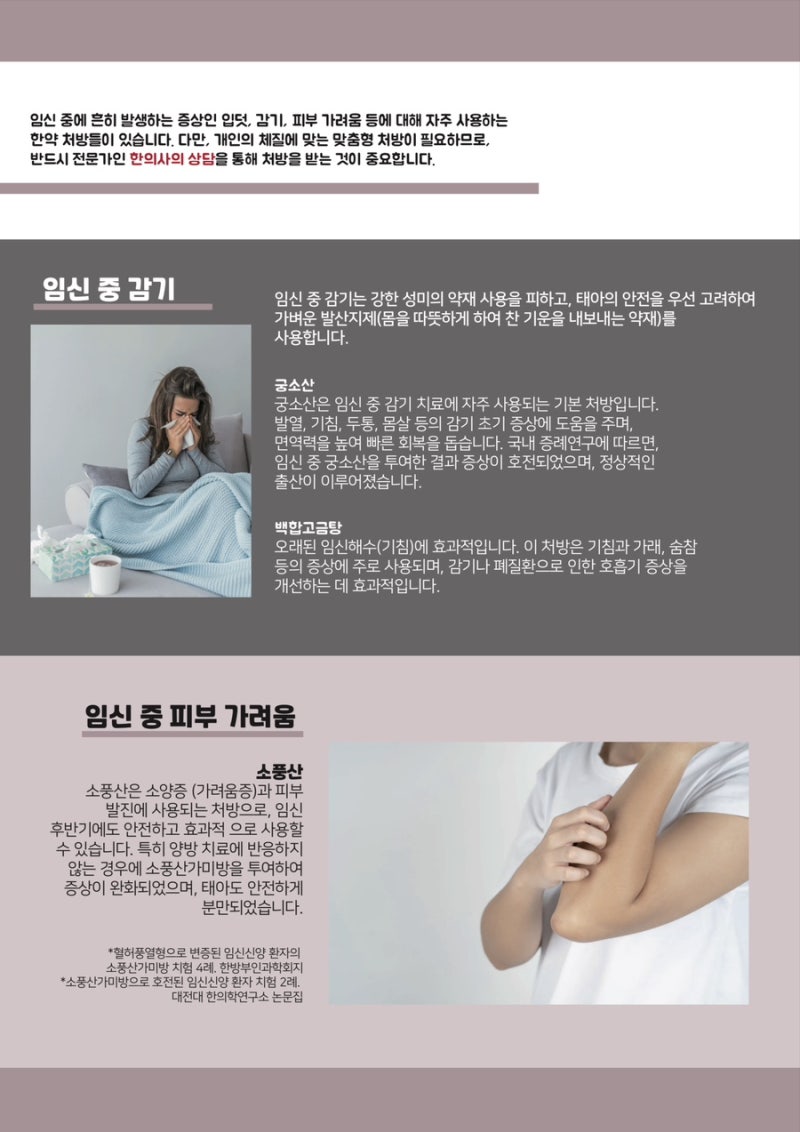
Colds During Pregnancy For colds during pregnancy, the use of strong-natured medicinal ingredients is avoided, and mild diaphoretics (herbs that warm the body and expel cold) are used, prioritizing fetal safety. – Gungso-san Gungso-san is a basic prescription frequently used for treating colds during pregnancy. It helps with early cold symptoms such as fever, cough, headache, and body aches, and boosts immunity for a quick recovery.
According to domestic case studies, administering Gungso-san during pregnancy resulted in improved symptoms and normal childbirth. – Baekhapgogeum-tang It is effective for chronic pregnancy cough. This prescription is primarily used for symptoms such as cough, phlegm, and shortness of breath, and is effective in improving respiratory symptoms caused by colds or lung diseases.
Skin Itching During Pregnancy Skin itching and rashes are common symptoms during pregnancy, with bile stasis being a major causative factor. Jaundice may also accompany it, and the degree of damp-heat accumulation and itching are closely related. – Sopung-san Sopung-san is a prescription used for pruritus (itching) and skin rashes, and can be safely and effectively used even in late pregnancy.
In particular, when Western medicine treatment was ineffective, administering Sopungsan-gamibang alleviated symptoms, and the fetus was safely delivered. *4 Cases of Pregnant Pruritus Patients Diagnosed with Blood Deficiency and Wind-Heat Pattern Treated with Sopungsan-gamibang. Journal of Korean Obstetrics & Gynecology. *2 Cases of Pregnant Pruritus Patients Improved with Sopungsan-gamibang. Journal of Daejeon University Institute of Korean Medicine.
Period to Be Cautious About Taking Herbal Medicine During Pregnancy If there is a period requiring caution when taking herbal medicine during pregnancy, it is weeks 3-8 after conception, which is the period of organ formation. During this period, certain medications can affect organ formation, making it a relatively risky time. However, according to clinical manuals, there are research findings that herbal medicines are safe if used in general dosages even during this period.
https://m.blog.naver.com/sunyujae21/223792596003 We hope you will join Sunyujae Korean Medicine Clinic, which shares valuable information for a healthy life.
Sunyujae Korean Medicine Clinic in Suji-gu pursues evidence-based medicine and integrative medicine.
This post was written directly by the medical staff of Sunyujae Korean Medicine Clinic to provide medical information, in compliance with Article 56(2) and Article 57(3) of the Medical Service Act. The duration and outcome of treatment may vary from person to person, so please consult a qualified practitioner before beginning treatment.
Consultation & Booking
Have questions? Reach us anytime via KakaoTalk or phone.