![[선유재한의원] 더 건강한 산후조리와 산후보약](https://syjkmc.kr/wp-content/uploads/2026/06/224283478255_img_0.jpeg)
Hello, this is Dr. Hyocheong Chae, director of Sunyujae Korean Medicine Clinic, where a kind heart resides.
There are three periods in a woman’s life when taking an herbal tonic is essential. One of these is the postpartum care period. Postpartum herbal medicine is not an option, but a necessity!
‘Eliminate blood stasis and later replenish weakness.’ The timing of initiating treatment is very important. Receiving early treatment not only leads to faster and more effective recovery but also helps maintain the body’s recovery resilience.
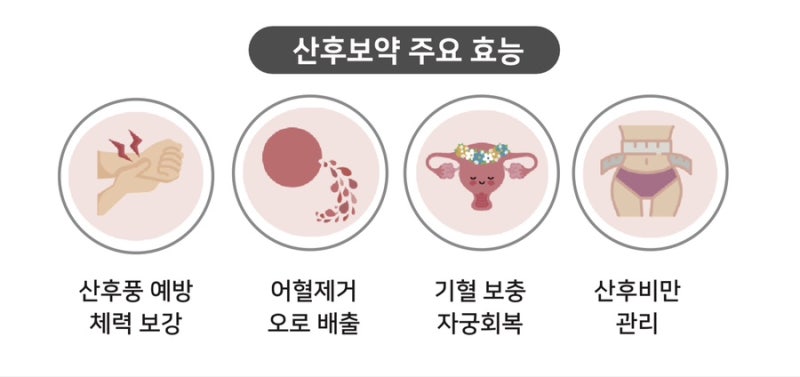
Especially the 3 months after childbirth Especially, the 3 months after childbirth is the golden time, during which goals such as promoting uterine contraction, eliminating blood stasis, strengthening postpartum qi and blood and replenishing weakness, preventing postpartum wind syndrome, and strengthening muscles, bones, and ligaments can be achieved. After childbirth, various pains and joint problems may occur, and it takes 3 to 4 months for weakened joints and ligaments from pregnancy to recover.
If proper postpartum care is not received during this period, symptoms of postpartum wind syndrome may occur, so early treatment is very important if symptoms appear. Korean medicine treatments after childbirth, such as acupuncture, pharmacopuncture, cupping, Chuna manual therapy, and herbal medicine, treat joint pain without affecting breastfeeding.
Questions about Postpartum Herbal Medicine Q. Is postpartum herbal medicine absolutely necessary? Postpartum herbal medicine plays an important role in restoring the mother’s qi and blood, promoting postpartum recovery, and preventing postpartum wind syndrome.
After childbirth, it quickly removes blood stasis in the uterus to aid uterine contraction and helps recover joints and ligaments damaged during labor. In particular, ‘Saenghwatang,’ which resolves blood stasis, is most effective when taken immediately after childbirth, and postpartum herbal medicine that replenishes qi and blood is also prescribed afterward. This helps alleviate the mother’s pain and aids in preventing and treating postpartum depression.
Healthy uterine recovery prevents menstrual pain and is also important for preparing for the next pregnancy. Q. I am breastfeeding. Will it affect my baby?
Because herbal medicines have large molecular weights, most do not pass through the mammary glands and are therefore not transferred to the baby. Thus, postpartum herbal medicine prescribed at a Korean medicine clinic is safe for both mother and baby and supports healthy breastfeeding. Q. I gained a lot of weight during childbirth. Won’t taking herbal medicine make me gain more weight?
Postpartum herbal medicine does not cause weight gain; rather, it aids in weight loss. It helps quickly discharge lochia, remove blood stasis to aid uterine contraction, promote metabolism, and facilitate the excretion of stagnant bodily fluids to treat postpartum edema. This enables healthy weight management.
Postpartum weight management is best started before the puerperium ends, and it is especially important to lose weight within 6 months. Q. How should postpartum herbal medicine be prescribed?
Postpartum herbal medicine should be customized according to individual symptoms and constitution, and a customized prescription to remove postpartum edema is necessary. A Korean medicine doctor can provide appropriate treatment considering the timing of your postpartum visit, so it is best to visit Sunyujae Korean Medicine Clinic for a detailed consultation. Postpartum Care, Herbal Medicine Prescriptions During Pregnancy, and Management for a Healthy Birth Pregnancy and childbirth are processes that bring significant changes to a woman’s body, making appropriate health management extremely important.
In Korean medicine, herbal medicine prescriptions tailored to each stage, from early pregnancy to after childbirth, help the health of both mother and fetus. We will inform you about the role and efficacy of herbal medicine prescriptions, from alleviating morning sickness during pregnancy to postpartum recovery. 1. Early Pregnancy – Alleviating Morning Sickness and Fetal Stability (Antaeum)
In early pregnancy, morning sickness symptoms can worsen, which can affect not only the mother’s health but also fetal growth. ‘Antaeum’ is an herbal medicine that helps alleviate morning sickness and stabilize the fetus, and it is also effective in preventing restless fetus and miscarriage. 2. Late Pregnancy – Preparation for a Smooth Birth (Dalsaengsan)
In late pregnancy, as childbirth approaches, it is important to strengthen the mother’s vital energy and promote smooth fluid circulation. ‘Dalsaengsan’ aids in the down-bearing qi action, helping the fetus descend into the cervix, and reduces edema in both the mother and baby. Furthermore, it softens the birth canal, facilitating a smooth delivery.
3. Immediately After Childbirth – Uterine Recovery and 3. Immediately After Childbirth – Uterine Recovery and Blood Stasis Removal (Saenghwatang, taken for 5-10 days) After childbirth, it is important to quickly discharge blood stasis, remaining lochia, and waste products from the uterus. ‘Saenghwatang’ is a representative postpartum herbal medicine that promotes blood circulation and aids uterine recovery.
It also has effects such as alleviating postpartum pain, preventing inflammation, promoting uterine contraction, and preventing infection. Generally, after taking Saenghwatang for 5-10 days postpartum, an herbal tonic prescription will follow. 4. After Childbirth – Restoring Vitality and Strengthening Immunity (Boheotang, customized prescription for 90 days postpartum)
During the 90 days postpartum, it is important to replenish vital energy after blood stasis and waste products have been sufficiently discharged.
‘Boheotang’ is a customized herbal medicine that helps improve symptoms such as night sweats, decreased vitality, loss of appetite, fatigue, and joint pain.
It also helps restore physical strength and strengthen immunity to prevent postpartum wind syndrome. 5. Mastitis – Promoting Milk Flow and Alleviating Pain (Tongyubang Prescription)
During breastfeeding after childbirth, mastitis often occurs. In such cases, ‘Tongyubang’ can help facilitate milk flow and alleviate pain caused by mastitis. Ingredients such as Moktong and Saengjihwang are adjusted and prescribed according to the symptoms.
Postpartum herbal medicine helps restore vitality and strengthen immunity after childbirth, and is effective not only in preventing postpartum wind syndrome but also in healthy postpartum weight management. Based on extensive consultation experience with many mothers, Sunyujae Korean Medicine Clinic provides safe and effective postpartum care through personalized treatment prescribed by the director. We hope you will join Sunyujae Korean Medicine Clinic in sharing valuable information for a healthy life.
https://m.blog.naver.com/sunyujae21/223793667520 Sunyujae Korean Medicine Clinic in Suji-gu pursues evidence-based medicine and integrative medicine.
This post was written directly by the medical staff of Sunyujae Korean Medicine Clinic to provide medical information, in compliance with Article 56(2) and Article 57(3) of the Medical Service Act. The duration and outcome of treatment may vary from person to person, so please consult a qualified practitioner before beginning treatment.
Consultation & Booking
Have questions? Reach us anytime via KakaoTalk or phone.