
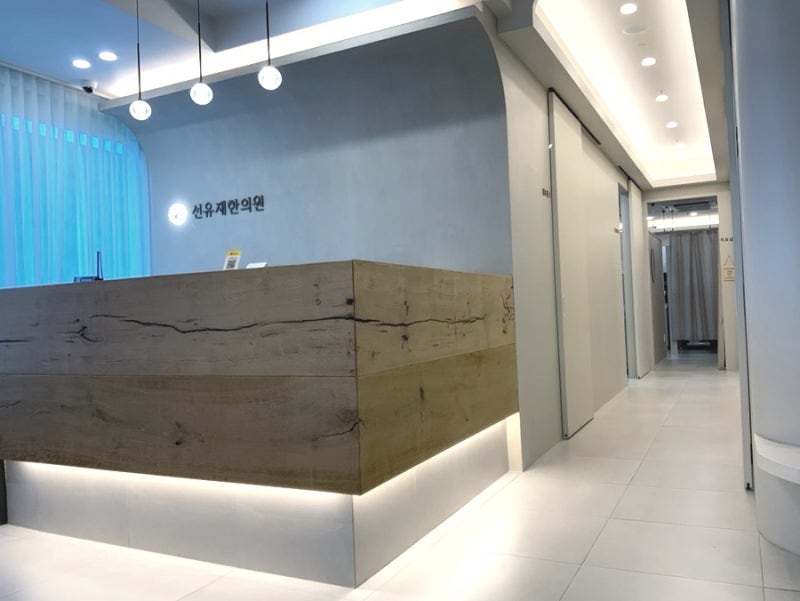
Hello, this is Sunyujae Korean Medicine Clinic, where kind hearts reside.

Why should we pay more attention to winter health management? At Sunyujae Korean Medicine Clinic in Suji-gu, many patients commonly say the same thing when winter begins. “Doctor, my body stiffens up more in winter.” “My hands and feet are cold, and I’m tired all day.” “Why are areas that were fine before more sensitive in winter?” Winter is a season where temperature, humidity, activity levels, and sunlight all change simultaneously.
These changes go beyond simply feeling “cold” and naturally affect various parts of the body. Today, we will discuss why the body’s reactions differ in winter, combining explanations from Korean medicine with the body’s natural physiological responses. The cold energy of winter easily stiffens muscles and joints.
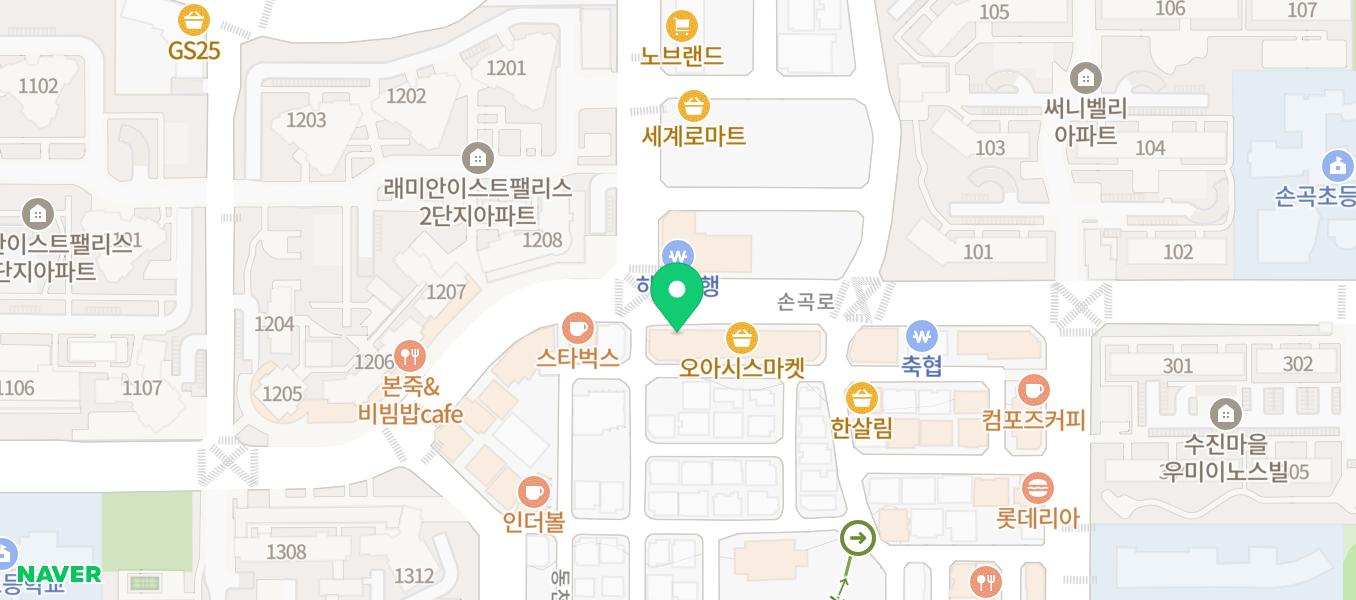
Sunyujae Korean Medicine Clinic, Dongcheon-dong, Suji-gu In Korean medicine, the cold energy of winter is called Han (寒). This Han (寒) is believed to obstruct the flow of Qi and blood, making muscles and joints prone to losing their flexibility. In reality, the stimuli the body receives in winter act in a similar way.
When feeling cold, the body constricts skin blood vessels and slightly tenses muscles to prevent heat loss, thereby reducing heat dissipation. In this process, the neck, shoulders, and lower back can easily become stiff, and joints like the knees and wrists may feel dull, leading to a sense of discomfort and tightness in movement. The reason why the neck or back suddenly stiffens after being exposed to winter wind is also due to this natural reaction.
The dryness of winter puts a strain on the respiratory system. At Sunyujae Korean Medicine Clinic in Dongcheon-dong, dry winter air and indoor heating create an environment where the mucous membranes of the nose and throat easily dry out. In Korean medicine, this dry energy is called Jo (燥) and is considered a state that can easily affect the lungs (肺).
Due to dryness, you might experience a scratchy throat, stuffy nose, dry mouth, and a feeling of constricted breathing. This is also not a problem of a specific disease but a natural change due to the winter environment. If you visit our Korean medicine clinic and take a prescription that moisturizes the dried mucous membranes and lungs, it can help you withstand exposure to such environments and prevent frequent colds.
Wearing a mask to prevent external infections is also important. In winter, the body’s rhythm tends to slow down, and vitality can easily decrease. At Sunyujae Korean Medicine Clinic in Suji-gu, Korean medicine views winter as a season for storing energy, meaning a time when energy gathers inward.
Our bodies also follow the flow of the seasons. In winter, sunlight exposure decreases, the body’s metabolic rhythm slows down, activity levels decrease, and indoor living increases. As a result, fatigue can easily accumulate, the body may feel heavy, and you might experience a drop in concentration and vitality.
The “feeling of low energy” in winter is part of these natural changes. In winter, conditions that can easily destabilize immunity overlap. Winter presents a combination of conditions that can strain the body’s protective power.
– Low temperatures When body temperature drops, the body tries to conserve energy in various activities, which can slow down the body’s reaction speed and rhythm. – Dry environment When the mucous membranes of the nose and throat dry out, it can lead to a weakened ability to block external stimuli. – Reduced activity When movement decreases, the overall flow of the body can feel sluggish, and energy may feel stagnant rather than accumulating.
– Changes in sleep rhythm – Changes in sleep rhythm In winter, indoor living increases and days become shorter, making sleep patterns prone to disruption. In Korean medicine, this winter flow is explained as a period when Jeonggi (正氣), the vital energy that protects the body, is easily affected. This is unrelated to specific diseases but means that seasonal factors can put a strain on the body.
Furthermore, areas that were previously weak may become sensitive again in winter. In winter, warmth easily escapes, and muscles tense up, often causing previously weak areas to become sensitive again. This is not the body experiencing new problems but a natural reaction of becoming more sensitive than usual in the process of protecting itself against the cold.
Winter is a season where cold, dryness, reduced activity, and rhythm changes all overlap, and the body receives various stimuli. Korean medicine describes this period as “a season where energy must be well preserved.” Many of the changes felt in winter are likely natural signals the body sends as it adapts to the season.
Understanding these signals well and not overlooking them is the most important first step in maintaining winter health. If you have any questions or need consultation about your body’s condition, please feel free to contact us anytime. We hope you will join Sunyujae Korean Medicine Clinic, which shares valuable information for a healthy life. Sunyujae Korean Medicine Clinic in Suji-gu pursues evidence-based medicine and integrated medicine.
This post was written directly by the medical staff of Sunyujae Korean Medicine Clinic to provide medical information, in compliance with Article 56(2) and Article 57(3) of the Medical Service Act. The duration and outcome of treatment may vary from person to person, so please consult a qualified practitioner before beginning treatment.
Consultation & Booking
Have questions? Reach us anytime via KakaoTalk or phone.