
Have you decided to diet after the Lunar New Year, but find it harder to lose weight than before? If you are post-menopause, dieting after the Lunar New Year can be even more challenging. This is because menopausal weight gain is not simply a matter of overeating during the holidays, but is closely linked to changes in metabolic structure.
Today, Sunyujae Korean Medicine Clinic will explain dieting after the Lunar New Year and why it’s harder to lose weight during menopause. Hello, this is Sunyujae Korean Medicine Clinic, where good intentions reside.

Why does menopausal weight gain occur more easily? During menopause, there is a decrease in female hormones (estrogen). This change does not simply mean the cessation of menstruation.
This change affects not only body shape but also metabolic structure. It causes: – Tendency for muscle mass reduction – Decrease in basal metabolic rate – Increase in body fat, especially visceral fat in the abdomen – Potential increase in insulin resistance Due to these changes, weight can increase more easily even if the same amount of food is consumed. In other words, after menopause, it’s more accurate to understand that the body’s metabolic environment itself has changed, rather than simply “eating less to lose weight.”
Why is early intervention important for dieting after the Lunar New Year? A weight gain of 1-3kg immediately after the Lunar New Year holidays does not mean it’s all fat. Weight gain right after the holidays is a combination of: – Water retention due to increased salt intake – Glycogen storage due to increased carbohydrate intake – Temporary fat accumulation.
This period is still before metabolism is fully fixed, so adjusting eating habits and metabolism within 2-3 weeks makes recovery relatively easy. However, if left unaddressed, visceral fat accumulation in the abdomen will progress, making weight loss increasingly difficult. Therefore, dieting after the Lunar New Year is not about ‘rapid starvation’ but about quickly setting the right direction.
The real reason why menopausal dieting is difficult is not simply a matter of willpower. * Decreased basal metabolic rate * Tendency for muscle loss * Decreased sleep quality
Stress Hormones Changes in stress hormones — these factors act in combination.
In particular, excessive low-calorie diets can further reduce muscle mass and additionally lower the basal metabolic rate. As a result, a cycle of easier swelling, easier fatigue, and harder weight loss repeats. Menopausal dieting should be approached with the goal of reducing fat and preserving muscle.
Why weight gain after menopause is dangerous: Increased abdominal visceral fat after menopause can raise the risk of metabolic syndrome. – Impaired blood sugar regulation – Increased burden on fat metabolism – Decreased circulatory function This can lead to a recurring state of feeling heavy, easily fatigued, and swollen. Therefore, it is important to approach dieting after the Lunar New Year not merely for cosmetic purposes, but from the perspective of restoring metabolic health.
At Sunyujae Korean Medicine Clinic, we aim for menopausal treatment and recovery, not just simple weight loss. – Assessment of constitution and metabolic state – Confirmation of abdominal fat and edema – Examination of sleep, fatigue, and digestive status – Analysis of accompanying menopausal symptoms Through this, we establish herbal medicine prescriptions and lifestyle management directions tailored to each individual’s condition. Especially after menopause, it is crucial to focus on increasing fat burning efficiency, improving circulation, and minimizing muscle loss.
Diet after the Lunar New Year, now is the best time. If you postpone dieting after the Lunar New Year, menopausal weight gain can become more entrenched. Menopause is not an age where weight loss is impossible, but a time when the approach needs to change.
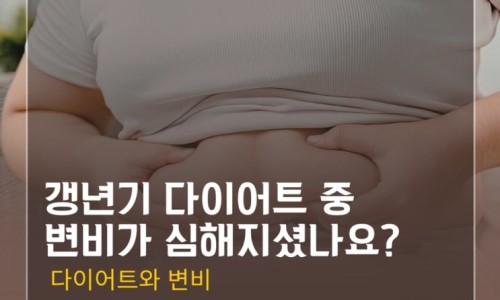
For dieting after the Lunar New Year, especially during menopause, please approach it more precisely. This has been Dr. Hyocheong Chae of Sunyujae Korean Medicine Clinic. In the next post, I will explain constipation that worsens during dieting and stubborn abdominal obesity during menopause.
https://m.blog.naver.com/sunyujae21/224189067549 We hope you will join Sunyujae Korean Medicine Clinic, which shares valuable information for a healthy life. Sunyujae Korean Medicine Clinic in Suji-gu pursues evidence-based medicine and integrative medicine.
This post was written directly by the medical staff of Sunyujae Korean Medicine Clinic to provide medical information, in compliance with Article 56(2) and Article 57(3) of the Medical Service Act. The duration and outcome of treatment may vary from person to person, so please consult a qualified practitioner before beginning treatment.
Consultation & Booking
Have questions? Reach us anytime via KakaoTalk or phone.