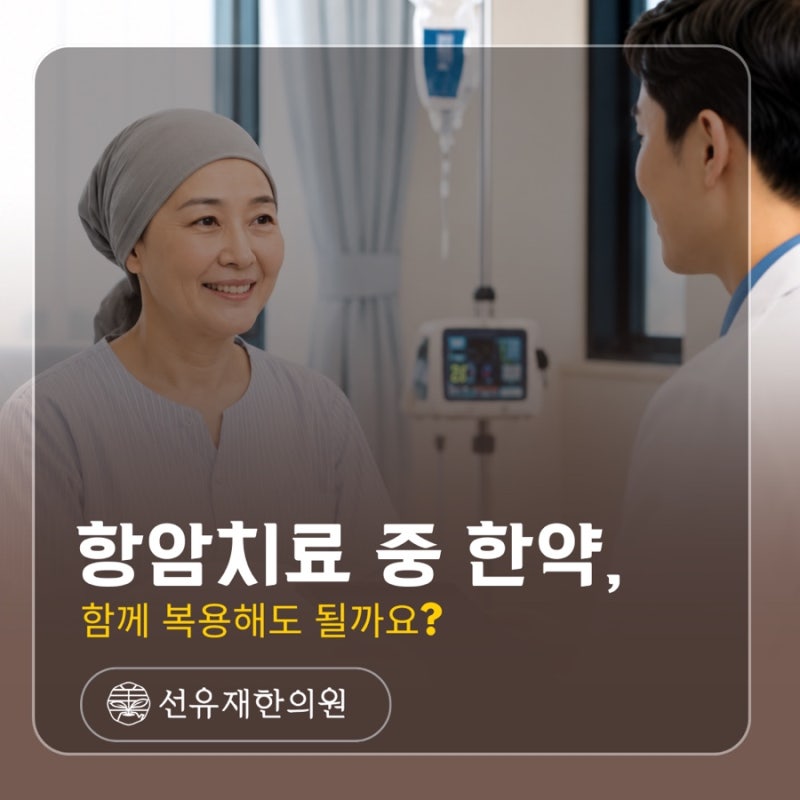
Korean medicine treatment varies during cancer treatment and recovery periods.
To state the conclusion first, it depends on the patient’s type of cancer, treatment stage, and medications being taken. During the cancer treatment process, various discomforts such as extreme fatigue, muscle pain, joint pain, loss of appetite, indigestion, peripheral neuropathy, and sleep disorders may appear. In some cases, Korean medicine treatment is used complementarily after thoroughly checking the current treatment situation.
Integrative Treatment Introduced in International Clinical Practice Guidelines
The role of integrative treatment is also introduced in international clinical practice guidelines. The American Society of Clinical Oncology (ASCO), in collaboration with the Society for Integrative Oncology (SIO), has reviewed integrative medicine approaches for managing symptoms and pain that arise during cancer treatment.
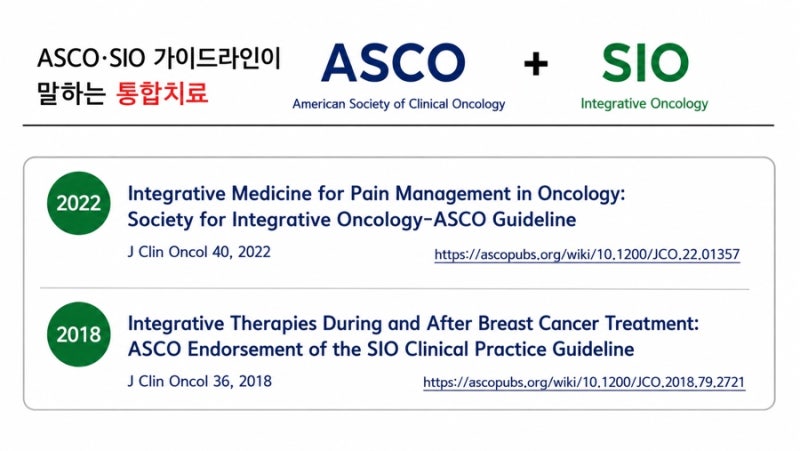
The 2018 paper is an ASCO-endorsed document of the SIO guideline on integrative therapies before and after breast cancer treatment, addressing integrative medicine approaches for various symptoms and side effects such as fatigue, nausea/vomiting, sleep disorders, and pain. The 2022 paper is a joint SIO-ASCO guideline on cancer pain management, presenting evidence and recommendations for some integrative medicine approaches, including acupuncture. These treatments are not a substitute for standard cancer treatment. It is important to apply them complementarily after thorough consultation with your medical team, depending on the type of cancer, treatment stage, and current symptoms. Related guidelines are as follows:
- Integrative Therapies During and After Breast Cancer Treatment: ASCO Endorsement of the SIO Clinical Practice Guideline. J Clin Oncol. 2018;36(25):2647-2655.
- Integrative Medicine for Pain Management in Oncology: Society for Integrative Oncology–ASCO Guideline. J Clin Oncol. 2022;40(34):3998-4024.
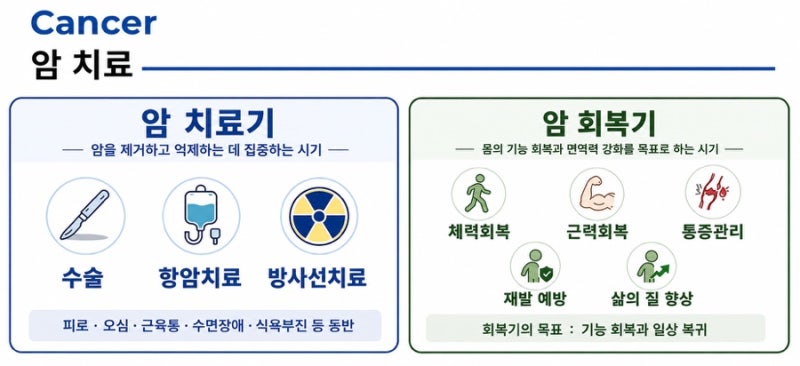
Cancer treatment can largely be thought of in two periods.
1. Cancer Treatment Phase
This is the most crucial period for treating cancer. Standard treatments such as surgery, chemotherapy, and radiation therapy are central, but during this time, it is not uncommon for patients to find the treatment itself difficult to endure due to side effects of chemotherapy, nausea, fatigue, muscle pain, sleep disorders, and loss of appetite. Korean medicine treatment plays a complementary role in managing these symptoms to help patients continue standard treatment more stably.
2. Cancer Recovery Phase
Recovery does not end just because cancer treatment is over. In reality, many patients experience prolonged fatigue, decreased muscle mass, stiff joints, and persistent fatigue, making exercise difficult.
During this period, functional recovery and return to daily life are more important than simple pain control.
Can I take herbal medicine during or after cancer treatment?
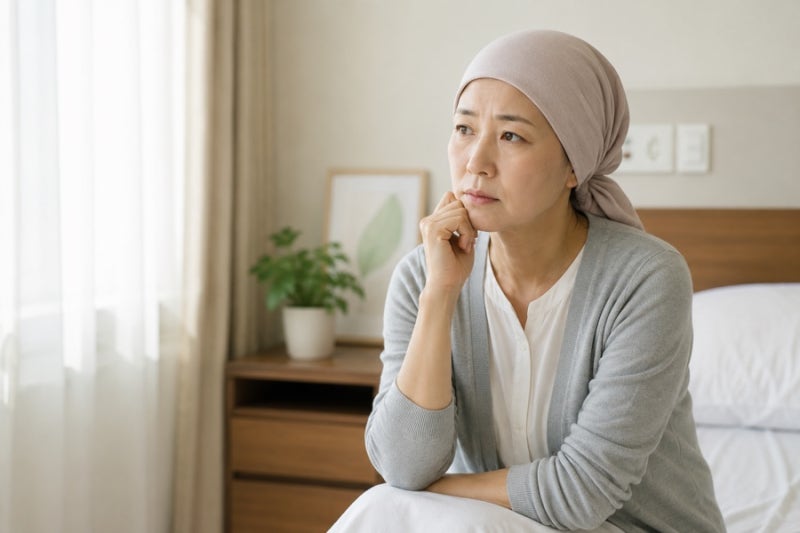
This is one of the most frequently asked questions in the clinic. Breast cancer patients often ask questions like, “I’m undergoing chemotherapy, can I also take herbal medicine?” or “Chemotherapy is over, but I’m taking tamoxifen, is it okay?” The same criteria cannot be applied to all patients. A personalized decision must be made, comprehensively considering the type of cancer, current treatment stage, chemotherapy drugs or hormone therapy drugs being taken, liver and kidney function, and co-existing diseases.
Recent international clinical practice guidelines also suggest that evidence-based integrative medicine treatments can be used complementarily alongside standard treatment to manage various symptoms such as fatigue, pain, and sleep disorders that appear during cancer treatment. However, it is emphasized that these treatments are not a substitute for standard cancer treatment but rather complementary treatments aimed at reducing discomfort during the treatment process and aiding recovery. Even when taking hormone therapy drugs like tamoxifen, it is crucial to determine the course of treatment through personalized consultation after thoroughly checking the patient’s treatment stage, medications being taken, and health status.
At Sunyujae Korean Medicine Clinic, we thoroughly review the ongoing cancer treatment and medications being taken, then provide Korean medicine treatment tailored to the individual’s condition.
Sunyujae Korean Medicine Clinic’s Treatment Tailored to Cancer Treatment Stages
The symptoms that appear during cancer treatment and recovery periods vary greatly among patients. At Sunyujae Korean Medicine Clinic, we thoroughly evaluate the current treatment stage, symptoms, and overall condition, then apply a combination of necessary treatments tailored to the patient.
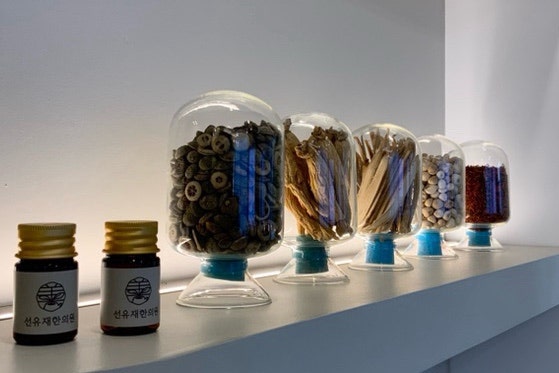
Herbal Medicine Treatment — Personalized treatment managing both recovery and condition
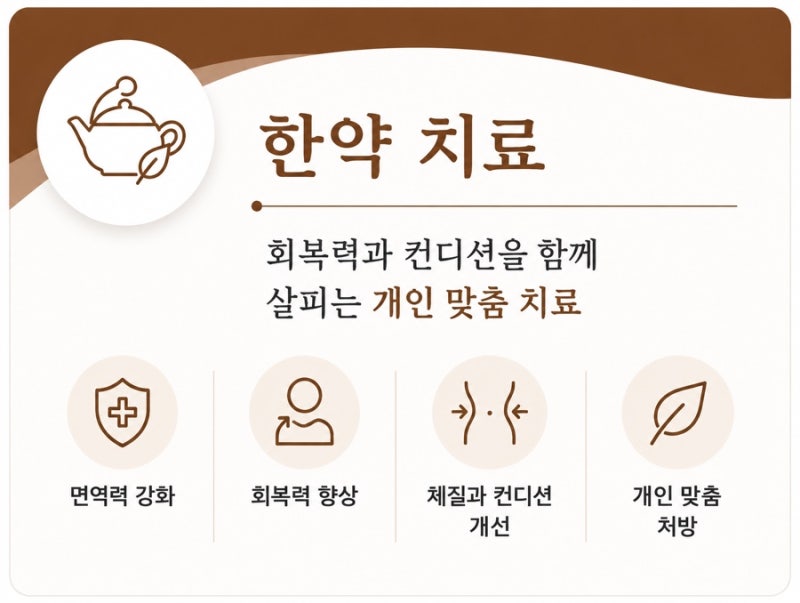
After cancer treatment, severe fatigue, loss of appetite, indigestion, decreased physical strength, and overall poor condition often persist for a long time. Herbal medicine treatment is used in this process to help restore physical strength and condition. When undergoing cancer treatment or taking hormone therapy drugs, it is paramount to fully consider the current treatment stage, medications being taken, and liver and kidney function. At Sunyujae Korean Medicine Clinic, we confirm the patient’s constitution and symptoms, as well as their ongoing treatment plan, then provide appropriate herbal medicine prescriptions through personalized consultation.
Acupuncture Treatment — Basic treatment for pain relief and functional recovery
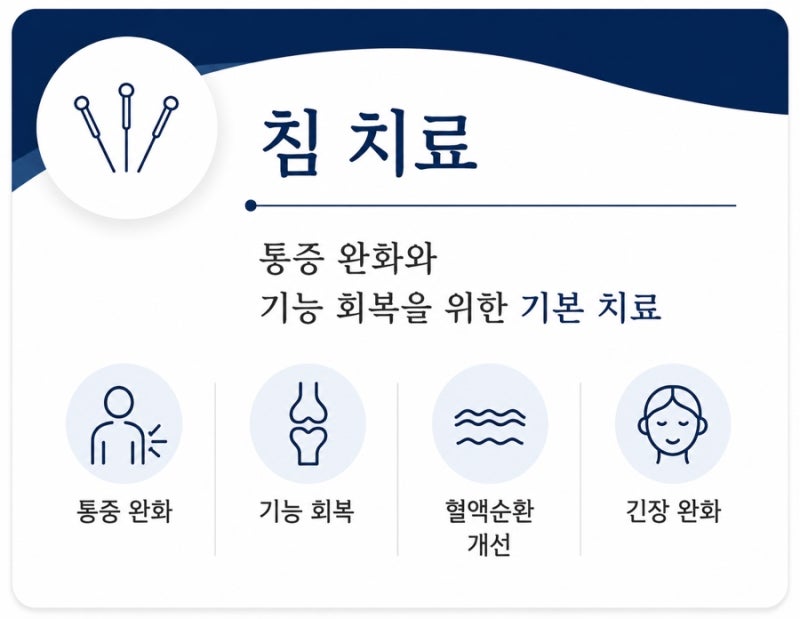
After cancer treatment, muscle pain, joint pain, peripheral neuropathy, and post-surgical pain often persist for a long time. Acupuncture treatment aims to manage pain and muscle tension by stimulating the painful area and surrounding tissues, making movement more comfortable. It is also used as an auxiliary treatment to manage various physical discomforts that arise during cancer treatment.
Ultrasound-guided Acupotomy Treatment — More precise treatment for adhered tissues and restricted movement
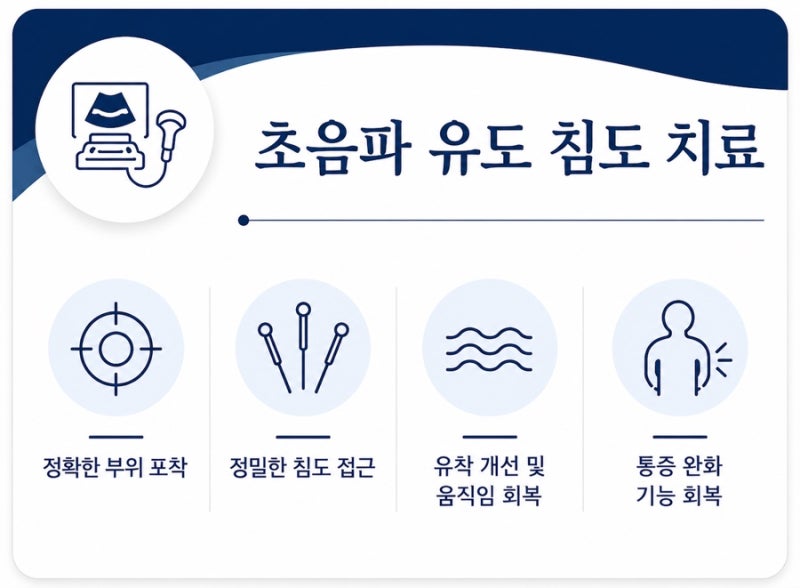
After cancer surgery or radiation therapy, movement of fascia and soft tissues may be restricted, and surrounding muscles may become excessively tense due to surgical scars, lymph node dissection, fibrosis in the irradiated area, or prolonged protective postures. These changes can lead to restricted shoulder movement, neck and back pain, chest tightness, and limited arm movement. At Sunyujae Korean Medicine Clinic, we use ultrasound equipment to confirm the treatment area and surrounding structures in real-time, evaluate the necessary areas, and perform acupotomy treatment. Ultrasound-guided treatment is performed by Dr. Hyocheong Chae and Dr. Kwangho Kim, who are active in the Korean Acupotomy Medical Society and hold RMSK certification.
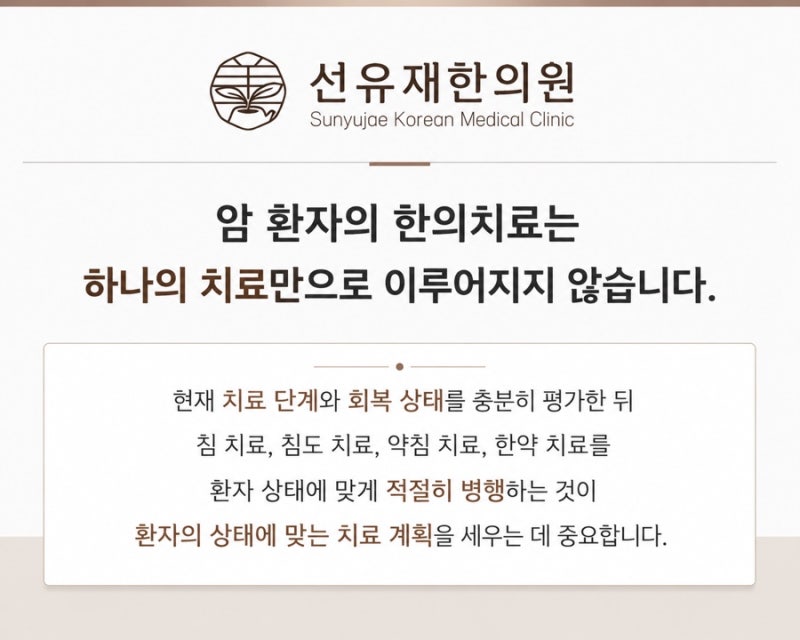
However, the applicability may vary depending on the surgical site, treatment progress, and skin and tissue condition, so treatment is decided after thorough evaluation. Korean medicine treatment for cancer patients is not limited to a single therapy. It is important to thoroughly evaluate the current treatment stage and recovery status, then plan necessary treatments such as acupuncture, acupotomy, and herbal medicine treatment tailored to the patient’s condition. Cancer treatment does not end simply by completing surgery or chemotherapy. Managing various discomforts that arise during the treatment process, recovering decreased physical strength, and returning to daily life are all important parts of the treatment.
At Sunyujae Korean Medicine Clinic, we thoroughly evaluate the patient’s current treatment stage and overall condition, then create a personalized treatment plan together. If you have any questions about the cancer treatment process or recovery, please consult with our medical team.
References
- Integrative Therapies During and After Breast Cancer Treatment: ASCO Endorsement of the SIO Clinical Practice Guideline (2018)
- Integrative Medicine for Pain Management in Oncology: Society for Integrative Oncology-ASCO Guideline (2022)

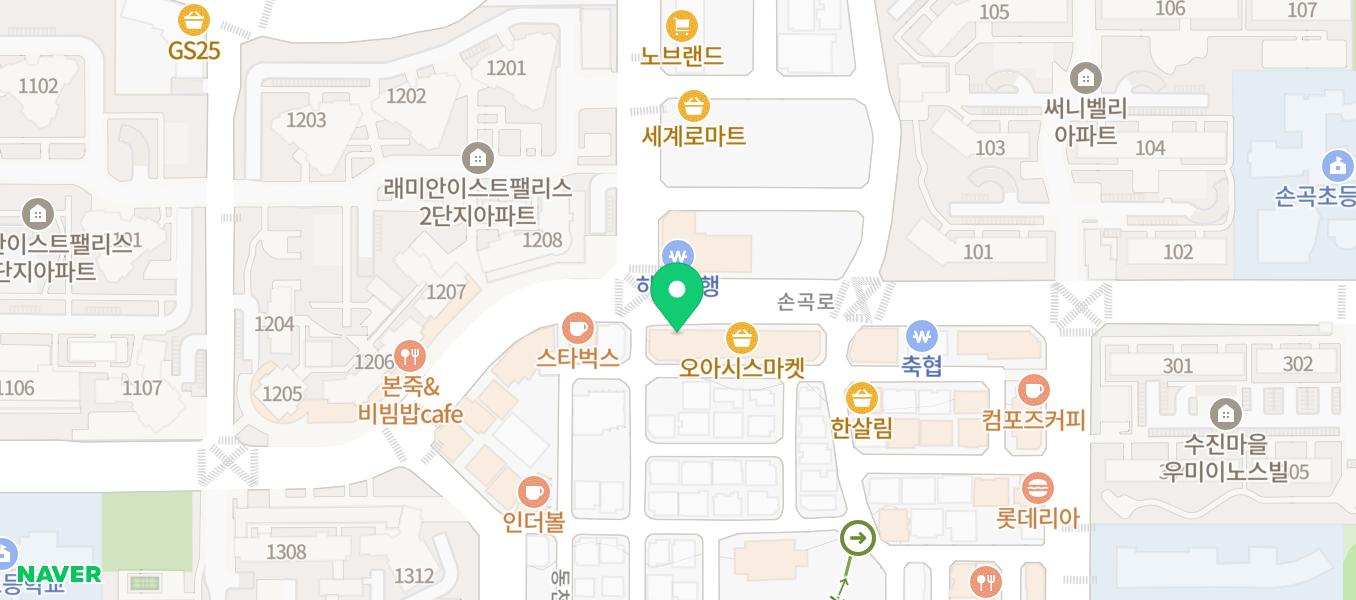
We hope you will join Sunyujae Korean Medicine Clinic in sharing valuable information for a healthy life. Sunyujae Korean Medicine Clinic in Suji-gu pursues evidence-based medicine and integrative medicine.
This post was written directly by the medical staff of Sunyujae Korean Medicine Clinic to provide medical information, in compliance with Article 56(2) and Article 57(3) of the Medical Service Act. The duration and outcome of treatment may vary from person to person, so please consult a qualified practitioner before beginning treatment.
Consultation & Booking
Have questions? Reach us anytime via KakaoTalk or phone.