
Many people in Dongcheon-dong, Suji-gu, who are looking into Korean medicine for weight loss, often say that their weight doesn’t budge even when they reduce their diet as they used to. At first, they might dismiss it as just getting older. However, if abdominal and flank fat increases, and you feel heavy or fatigued every morning, it’s difficult to see it as merely a problem with food intake.
In the clinic, we see a surprisingly large number of women after menopause and men in their 40s and older who come in with these concerns.
Hello. This is Sunyujae Korean Medicine Clinic, where good intentions reside. When we think of weight loss, we usually first think of eating less and moving more.
Of course, diet and activity levels are important. However, weight changes in postmenopausal women and middle-aged men are often intertwined with sleep, stress, muscle mass, hormonal changes, and metabolic decline. When weight loss is difficult, instead of just reducing food intake, it’s necessary to examine why the body has become unable to continue losing weight. After menopause, why do the abdomen and flanks change first?
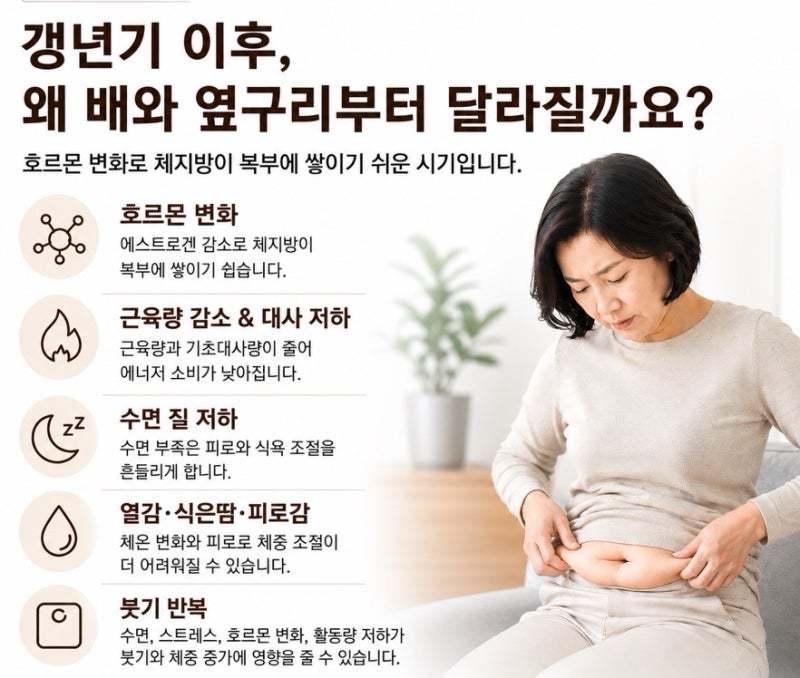
For menopausal weight loss, it’s important to look at body changes before focusing on weight. Some people say that in the past, their body felt lighter after just a few days of adjustment, but at some point, their waistline started to increase first even when they reduced their food intake. During this period, changes in female hormones can make it easier for body fat to accumulate in the abdominal area.
When muscle mass decreases and basal metabolic rate lowers, energy consumption may decrease even if you eat the same amount as before. If this is accompanied by poor sleep quality, hot flashes, night sweats, and fatigue, weight management can become even more challenging. If you don’t sleep deeply, your body feels heavy the next day, and appetite control can easily falter.
Some people experience their clothes feeling tighter before their weight number changes, due to recurring edema. The reason for swelling and difficulty losing weight may not simply be due to eating salty foods. Sleep, stress, hormonal changes, and reduced activity can all play a role.
Therefore, menopausal weight loss requires a process of checking whether the body is in a state where it can continue to lose weight, rather than simply suppressing appetite. Why does male weight loss often start with abdominal obesity?
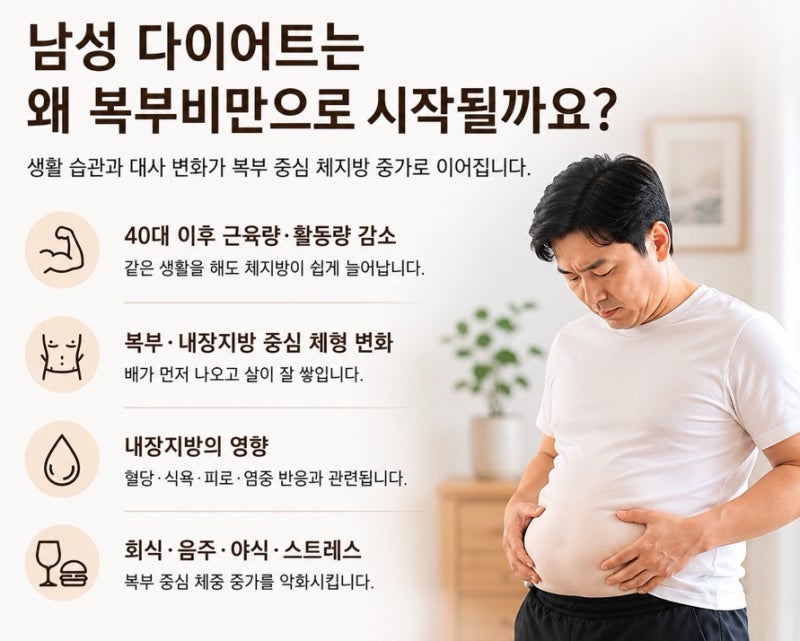
For men, weight loss often starts with concerns about their belly rather than overall weight. Some men say that their belly protrudes even though they don’t eat much, and their weight remains the same even after starting exercise. After the age of 40, muscle mass and activity levels decrease, making it easier for body fat to increase even with the same lifestyle as before. In men, body shape changes often occur primarily in the abdomen and visceral fat.
Visceral fat is not just a problem of visible fat; it can also be related to blood sugar control, appetite, fatigue, and inflammatory responses, so it’s important to examine lifestyle habits together. If business dinners, alcohol consumption, late-night snacks, late sleep, and work stress are repeated, weight tends to accumulate in the abdominal area. While increasing exercise might seem like a solution, if the body hasn’t recovered, fatigue can build up and appetite can even increase.
For male abdominal obesity, instead of just looking at the protruding belly as a result, it’s important to examine why a lifestyle pattern that accumulates weight in the abdominal area has developed. Suji-gu Dongcheon-dong Weight Loss: What to Check Before the Weight Number When considering weight loss in Dongcheon-dong, Suji-gu, it’s difficult to assess your current state solely by the number on the scale. Even for the same weight loss herbal medicine consultation in Dongcheon-dong, Suji-gu, the approach may differ for those who swell easily, those who have difficulty controlling their appetite, those with severe fatigue, or those who cannot sleep deeply.
In menopausal women, hot flashes, sleep, edema, fatigue, and digestive status are sometimes linked to weight changes. In male weight loss, drinking habits, late-night snacks, activity levels, and stress-induced appetite can be important clues. If you’ve reduced your food intake but weight changes are minimal, it’s necessary to consider metabolic decline, muscle loss, sleep deprivation, and stress responses together.
Conversely, if your weight has decreased slightly but you experience severe fatigue, dizziness, or decreased concentration, you should check if your weight loss method is putting a strain on your body. At Sunyujae Korean Medicine Clinic, we look at changes in body composition and lifestyle patterns together, explaining why your body has become unable to continue losing weight. Why do customized weight loss herbal medicines approach it differently?
Even for herbal medicine prescriptions with the same weight loss goal, the approach can vary depending on the body’s condition. For those who swell easily and feel heavy, water metabolism and circulation should be considered. For those who have difficulty controlling their appetite, it may be necessary to look at stress and sleep rhythms together.
For those with slow digestion and bloating, a process of examining gastrointestinal function and eating patterns together is necessary. For those with severe fatigue, excessive weight loss can make the body even more exhausted, so physical condition must be considered. In menopausal weight loss, it’s important to consider hot flashes, sleep, edema, and fatigue together to find an approach that doesn’t make the body overly sensitive.
For male weight loss, checking abdominal obesity, frequency of alcohol consumption, late meals, and reduced activity together can help create a sustainable weight loss plan. Therefore, customized weight loss herbal medicine should aim not just to reduce weight, but to allow your body to continue losing weight without overexertion.
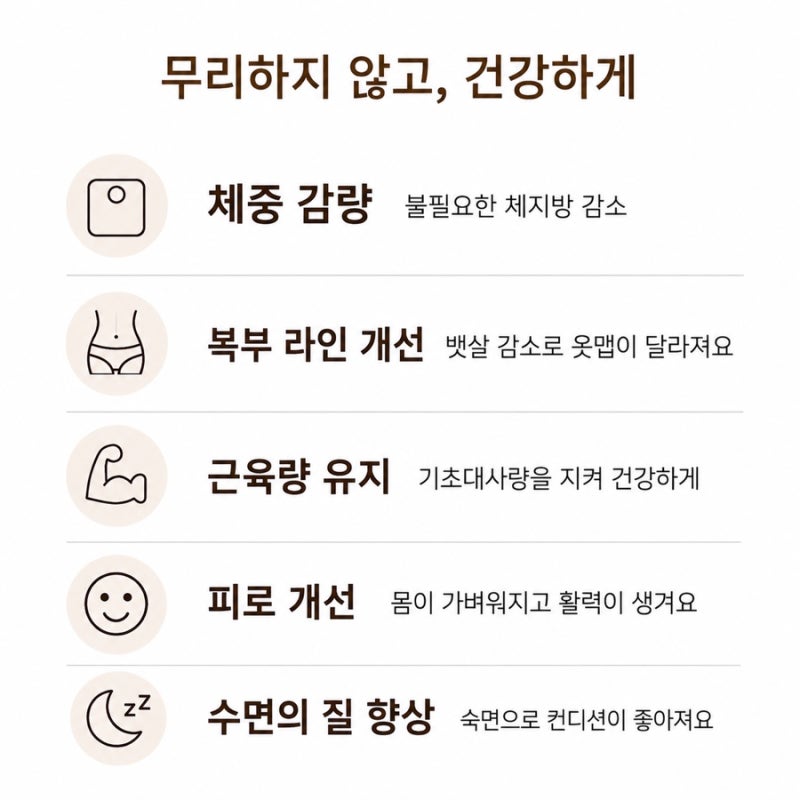
Suji-gu Weight Loss Herbal Medicine: What’s More Important Than Losing Weight Quickly Some people come to Suji-gu looking for weight loss herbal medicine, expecting only rapid weight loss. However, rapid weight loss over a short period can lead to repeated yo-yo effects. After menopause, excessive restriction can make fatigue and sleep problems more sensitive.
It’s not uncommon for men to suddenly restrict their diet severely or increase their exercise, only to return to late-night snacks and overeating. If muscle mass decreases along with weight loss, it can lead to a state where it’s harder to lose weight even when eating less than before. Therefore, for weight loss, you should first consider “is this a method my body can withstand?” rather than “how quickly can I lose weight?”
Even if weight changes are a bit slower, if stable sleep, reduced swelling, and easier appetite control are accompanied, it can help in continuing weight loss. If it’s repeated, it might not be a matter of willpower. The reasons for weight gain differ for each person.
If you’ve suddenly gained abdominal and flank fat after menopause, or if male abdominal obesity recurs, or if you feel more fatigued even after reducing food intake, it’s necessary to calmly check your current condition. Not all difficulties with weight loss are due to a lack of willpower. Sleep, stress, appetite, edema, fatigue, and lifestyle patterns can all be interconnected and affect weight changes.
Sunyujae Korean Medicine Clinic, which pursues evidence-based medicine and integrative medicine, emphasizes the process of checking the body’s current state and finding a treatment direction that is not overly strenuous. If you are considering weight loss herbal medicine in Dongcheon-dong, Suji-gu, it may be helpful to first examine why your body has become unable to lose weight effectively, rather than simply focusing on eating less.
Repeated weight changes might feel like a simple matter of willpower, but looking at your lifestyle rhythm and condition can reveal cases where a different approach is needed. If discomfort persists, checking your current body condition can be helpful. We hope you will join Sunyujae Korean Medicine Clinic, which shares valuable information for a healthy life. Sunyujae Korean Medicine Clinic in Suji-gu pursues evidence-based medicine and integrative medicine.
This post was written directly by the medical staff of Sunyujae Korean Medicine Clinic to provide medical information, in compliance with Article 56(2) and Article 57(3) of the Medical Service Act. The duration and outcome of treatment may vary from person to person, so please consult a qualified practitioner before beginning treatment.
Consultation & Booking
Have questions? Reach us anytime via KakaoTalk or phone.