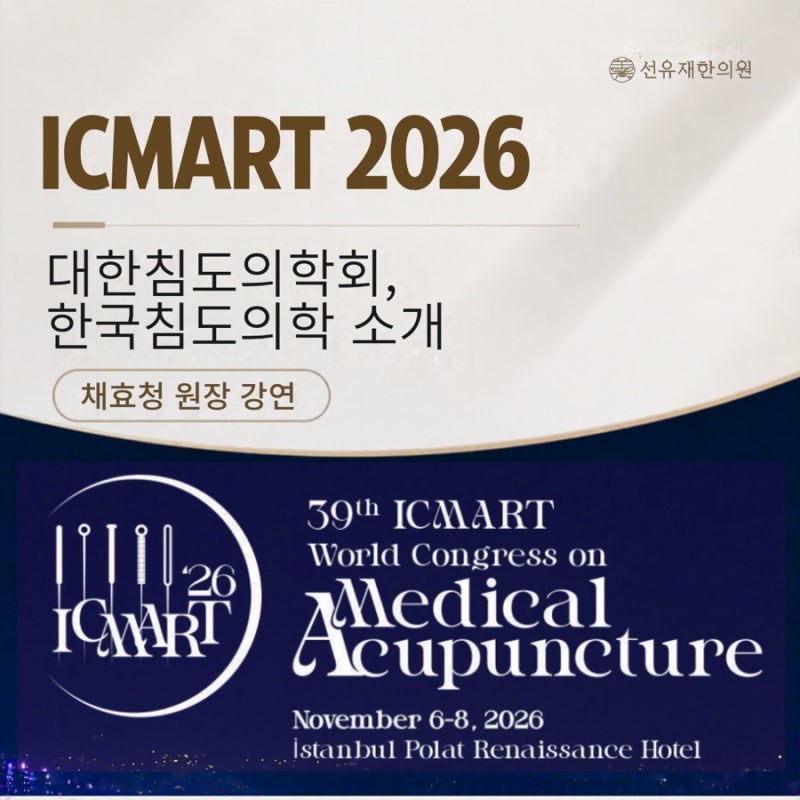
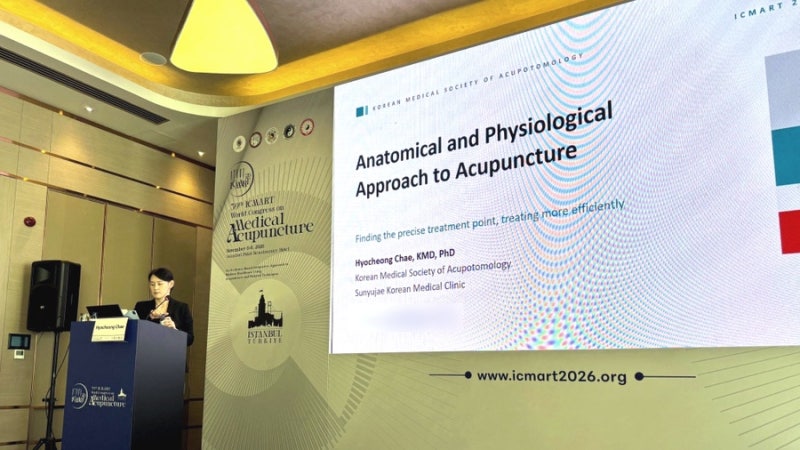
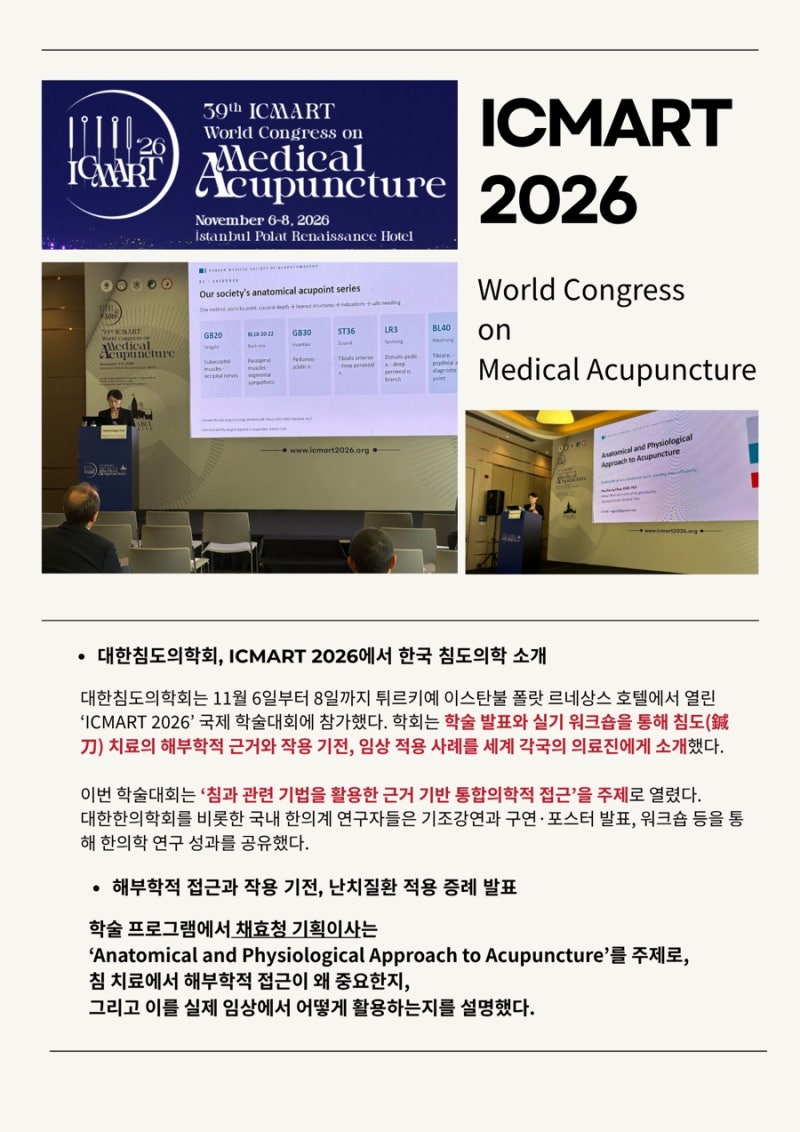
Why do we start with anatomy for acupotomy treatment? Because to accurately reach the necessary spot, we must know exactly where in the body the needle should go, considering the layers of muscles, nerves, and blood vessels. Last November, I presented this very topic at the international academic conference ICMART 2026 held in Istanbul, Turkey. Many patients in the clinic ask, “How deep does the needle go?” In a way, I presented my answer to that question in front of medical professionals from around the world.
Summary at a Glance
| Item | Content |
|---|---|
| What | The Korean Acupotomy Medical Association participated in the international academic conference ICMART 2026, conducting academic presentations and practical workshops. |
| When & Where | November 6-8, 2026, Polat Renaissance Hotel, Istanbul, Turkey |
| Presentation Content | Introduced why an anatomical approach is necessary in acupuncture treatment and how it is applied in clinical practice, explained per acupoint. |
What Kind of Conference is ICMART 2026?
ICMART is an international academic conference held annually by medical acupuncture organizations from various countries around the world. This year marked the 39th conference, held under the theme of ‘Evidence-based Integrative Medical Approaches Using Acupuncture and Related Techniques.’ Researchers from the domestic Korean medicine community, including the Association of Korean Medicine, participated with keynote speeches, oral and poster presentations, and workshops. As the Planning Director of the Korean Acupotomy Medical Association, I attended with the conference presentation team. The presentation took place on November 7th, the second day of the conference, during the acupotomy session in Hall 2. In the same session, Academic Director Lim Kwang-hwan introduced the mechanism of action of acupotomy and its differences from conventional acupuncture, followed by President Yoo Myung-seok, who presented clinical application cases of acupotomy.
Why is an Anatomical Approach Necessary for Acupuncture Treatment?
An anatomical approach refers to the method of understanding each acupoint by identifying which muscles, nerves, and blood vessels lie beneath the skin. Classical texts describe the specific depths for needling each acupoint. The core of this presentation was to connect these classical depths to the actual layers penetrated, explaining which symptoms they address and what structures to avoid.
Simply put, it’s like knowing the exact floor and room number to knock on the correct door, even if the address is the same.
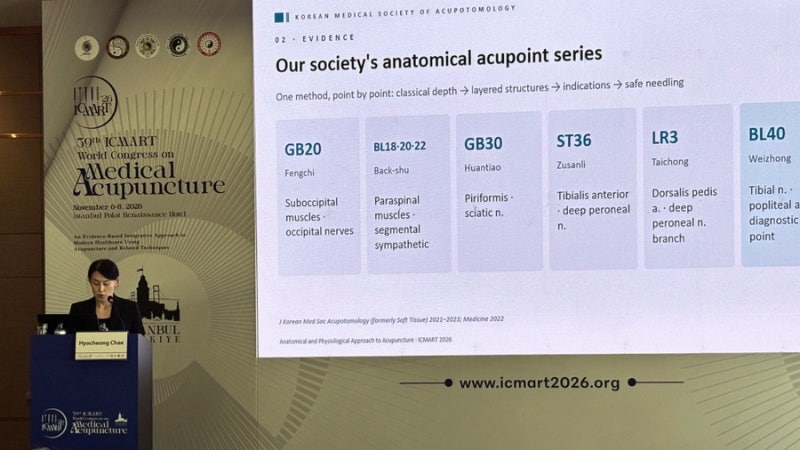
In the presentation, I compiled acupoint anatomy research that the association has published in its journal and used several frequently used acupoints as examples.
| Acupoint | Underlying Structures |
|---|---|
| Fengchi (GB20) | Small muscles below the occiput and the occipital nerve |
| Huandiao (GB30) | Piriformis muscle and sciatic nerve deep in the buttocks |
| Zusanli (ST36) | Anterior tibial muscles and deep fibular nerve |
| Taichong (LR3) | Dorsal pedal artery and branches of the deep fibular nerve |
| Weizhong (BL40) | Tibial nerve and popliteal artery behind the knee |
Knowing what structures lie beneath each acupoint allows for a clearer determination of the direction and depth of needle insertion. For instance, when addressing discomfort radiating from the buttocks to the leg, we examine the Huandiao (GB30) point precisely because the piriformis muscle and sciatic nerve pass beneath it. Conversely, the Weizhong (BL40) point behind the knee is where nerves and arteries run close together, requiring more careful determination of the needle’s direction and depth. It’s about seeing both where to stimulate and where to avoid on the same anatomical map. After the presentation, medical professionals from various countries asked how to identify the structures beneath acupoints and in what sequence they are used in clinical practice, leading to further discussion.
What Did We Do in the Practical Workshop?
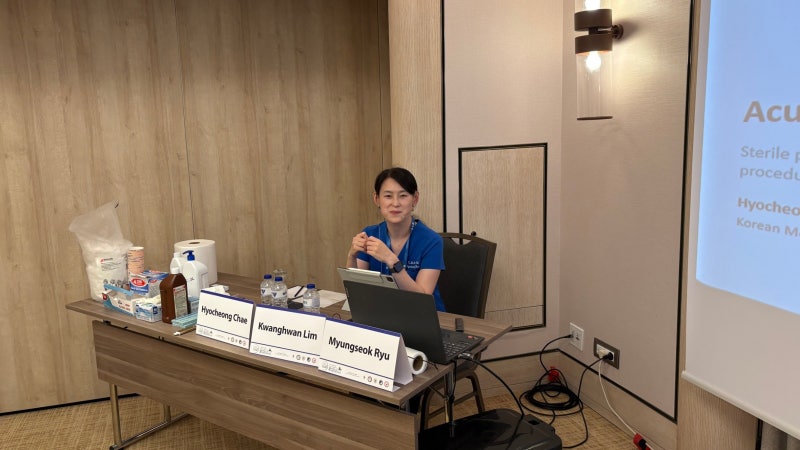
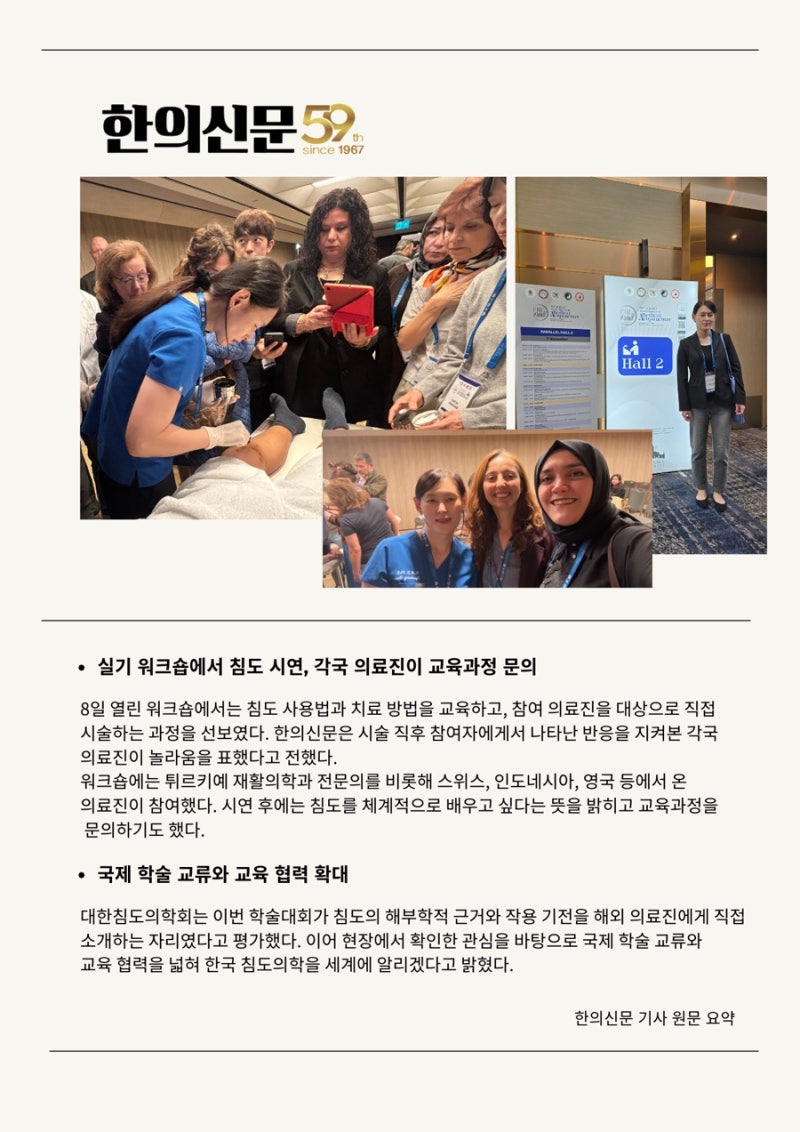
On the last day, November 8th, a practical workshop was held. Together with Academic Director Lim Kwang-hwan and President Yoo Myung-seok,
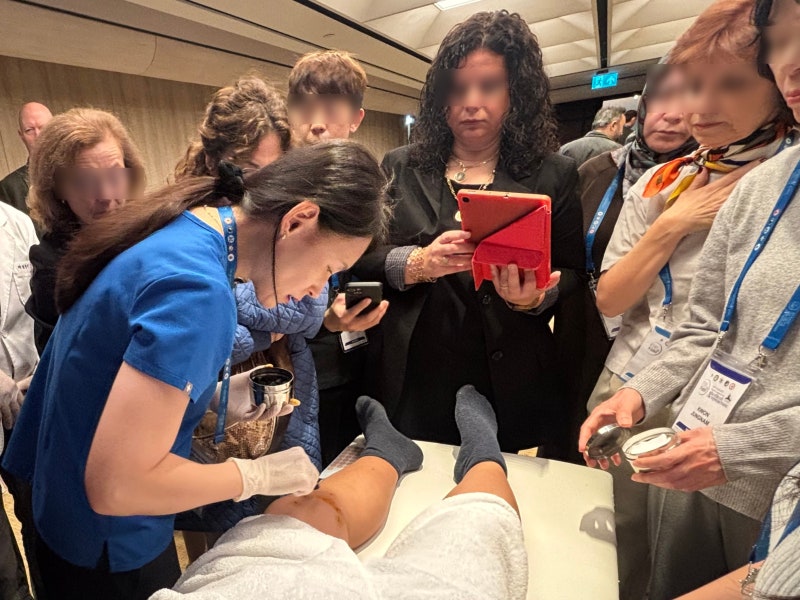
we explained the aseptic procedure before using acupotomy and then demonstrated the usage and treatment methods of acupotomy step-by-step.
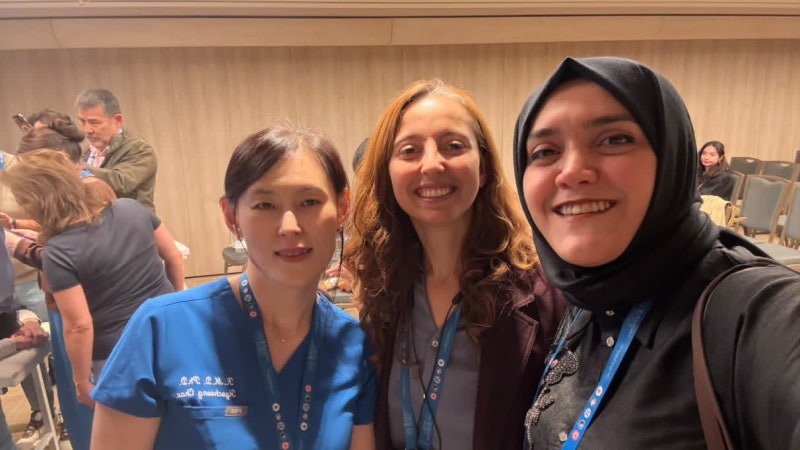
Following this, we demonstrated the direct procedure on participating medical professionals. Medical professionals from Turkey (including a rehabilitation medicine specialist), Switzerland, Indonesia, the UK, and other countries gathered around to observe each step of the procedure.
News of this academic conference was also featured in the Korean Medicine Newspaper (November 19th) and the November issue of Monthly Sunyujae.
How Do the Discussions from the Conference Continue in the Clinic?
At Sunyujae Korean Medicine Clinic, before performing acupotomy, we first use ultrasound to identify the paths of tendons, ligaments, and nerves. We visualize even deep layers that are difficult to palpate, examining for hardened tissues or areas adhered around nerves. Then, we confirm the locations of nerves and blood vessels to avoid, and determine the direction and depth for acupotomy insertion.
Connecting the underlying structures of each acupoint in this presentation was ultimately a study to more accurately follow this procedure in clinical practice. Treatment direction and duration may vary depending on the patient’s condition.
Most of the questions shared with medical professionals from various countries in Istanbul were about ‘where and how to insert the needle.’
These questions were not significantly different from those asked by patients in the clinic. Moving forward, we will continue to study how acupotomy treatment can be explained based on the body’s structure, and we will share this information easily in the clinic and on our blog. Sunyujae Korean Medicine Clinic, pursuing evidence-based medicine and integrative medicine.
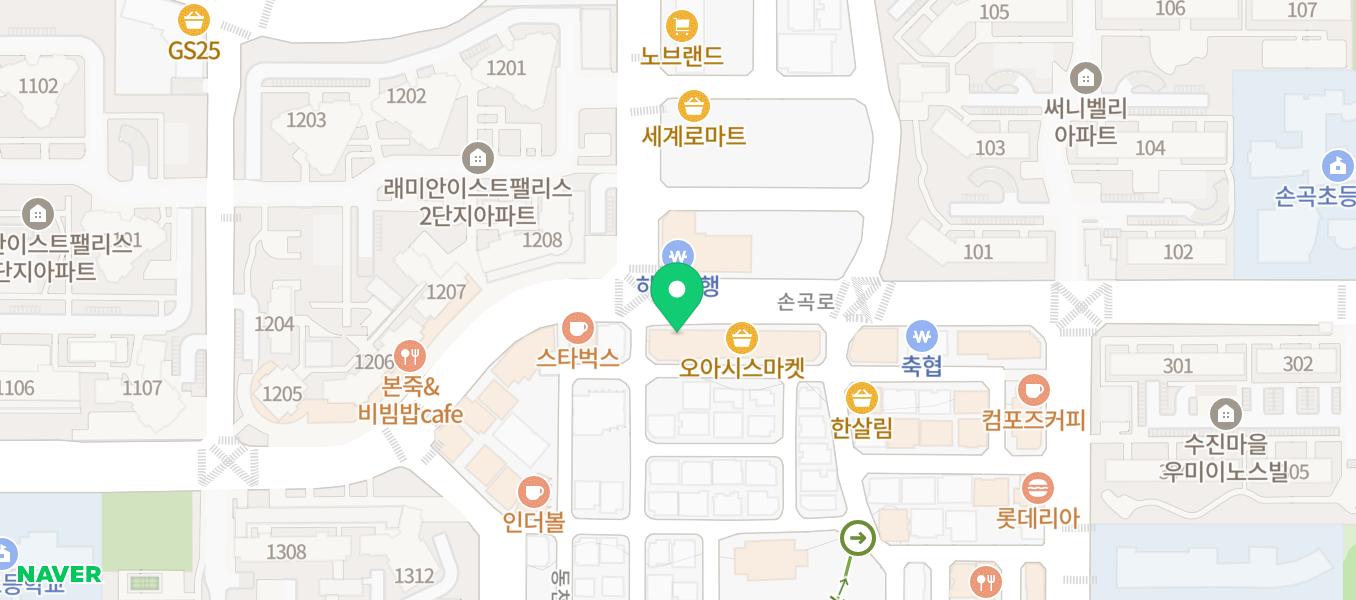
Sunyujae Korean Medicine Clinic in Suji-gu pursues evidence-based medicine and integrative medicine.
This post was written directly by the medical staff of Sunyujae Korean Medicine Clinic to provide medical information, in compliance with Article 56(2) and Article 57(3) of the Medical Service Act. The duration and outcome of treatment may vary from person to person, so please consult a qualified practitioner before beginning treatment.
Consultation & Booking
Have questions? Reach us anytime via KakaoTalk or phone.