

Hello, this is Sunyujae Korean Medicine Clinic, where kind hearts reside.


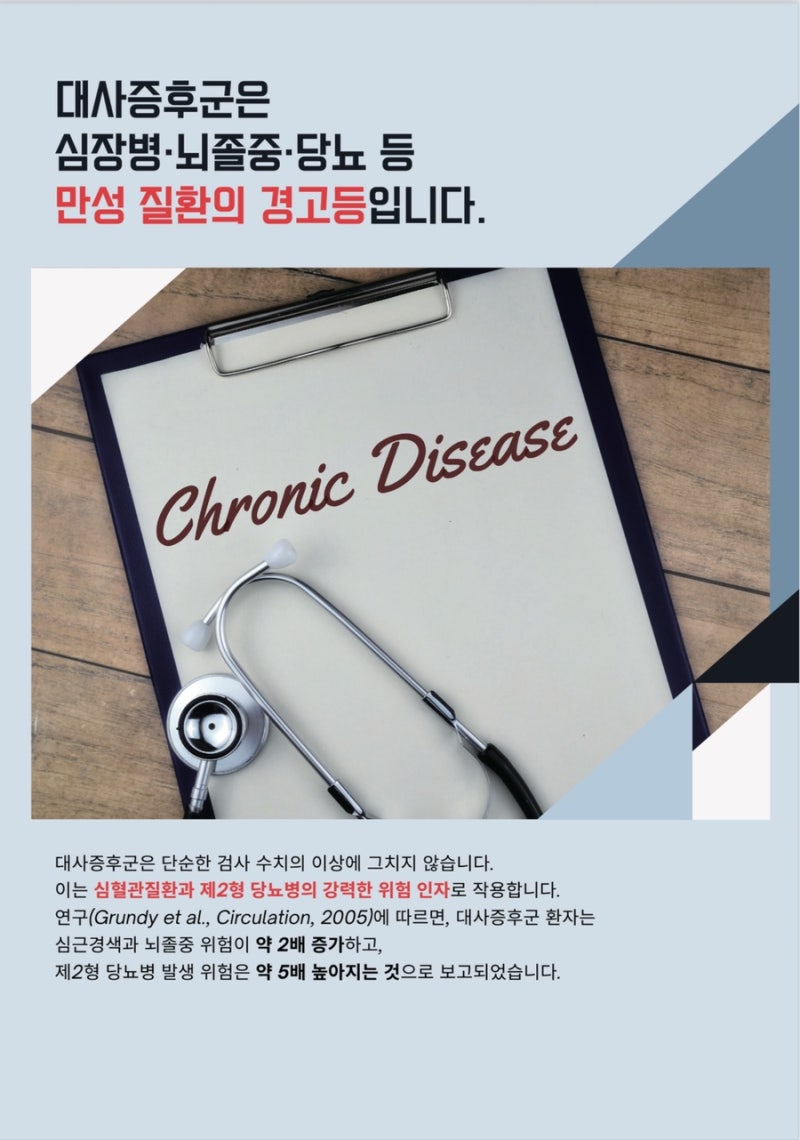
When you hear the term ‘metabolic syndrome’ during a health check-up, it might feel unfamiliar and vague. Metabolic syndrome is not a single specific disease, but rather a condition where several metabolic abnormalities appear together. If abdominal obesity, blood pressure, blood sugar, and cholesterol levels show problems simultaneously, your body is already sending signals.
Even if there are no specific symptoms outwardly, changes can gradually progress within the body, making it important to understand and manage it proactively. Today, we will explain in an easy-to-understand way what metabolic syndrome is and why lifestyle management is crucial. Metabolic Syndrome Dongcheon-dong Sunyujae Korean Medicine Clinic What is Metabolic Syndrome?
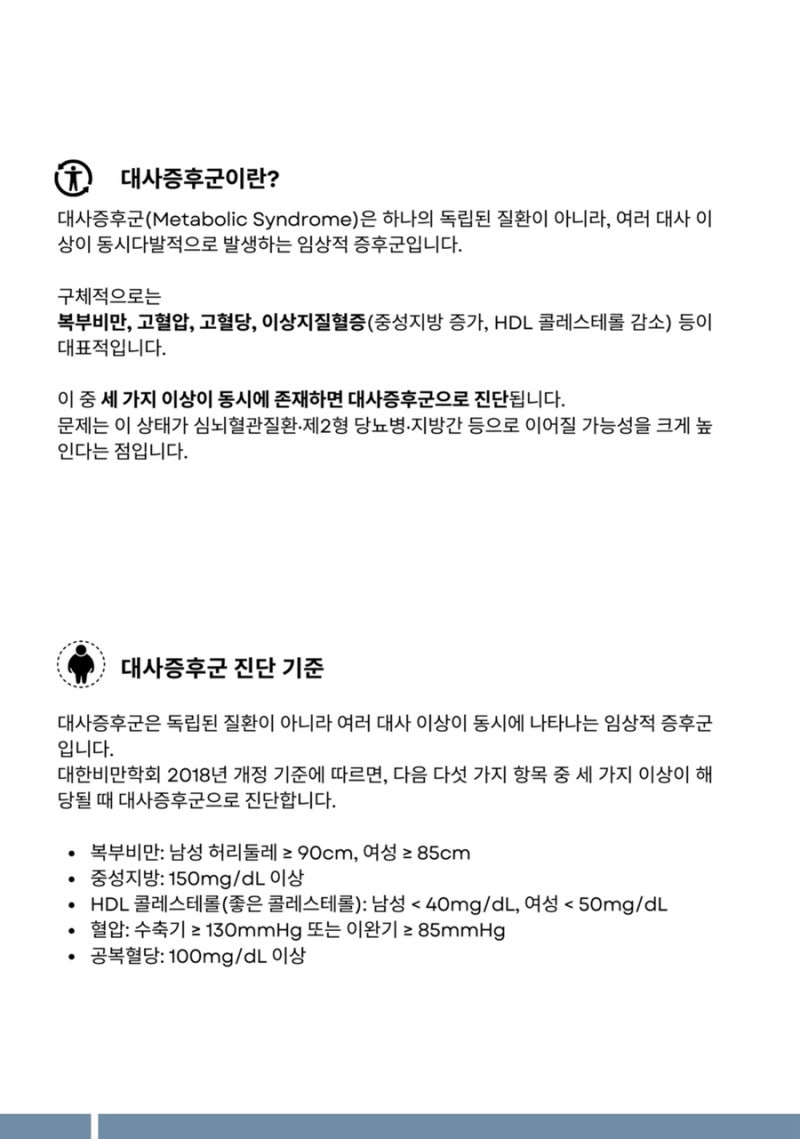
Metabolic Syndrome Metabolic syndrome is not a single, independent disease, but rather a clinical syndrome where multiple metabolic abnormalities occur simultaneously. Specifically, it is characterized by abdominal obesity, high blood pressure, high blood sugar, and dyslipidemia (increased triglycerides, decreased HDL cholesterol). If three or more of these are present simultaneously, it is diagnosed as metabolic syndrome.
The problem is that this condition significantly increases the likelihood of leading to cardiovascular and cerebrovascular diseases, type 2 diabetes, and fatty liver. Metabolic Syndrome Diagnostic Criteria Dongcheon-dong Sunyujae Korean Medicine Clinic Metabolic syndrome is not an independent disease but a clinical syndrome where multiple metabolic abnormalities appear simultaneously. According to the Korean Society for the Study of Obesity’s revised criteria from 2018, metabolic syndrome is diagnosed when three or more of the following five items are met:
Abdominal Obesity: — Men’s waist circumference ≥ 90cm, Women’s ≥ 85cm
Triglycerides: — ≥ 150mg/dL Triglycerides: — ≥ 150mg/dL
* HDL Cholesterol (Good Cholesterol): Men < 40mg/dL, Women < 50mg/dL
Blood Pressure: — Systolic ≥ 130mmHg or Diastolic ≥ 85mmHg
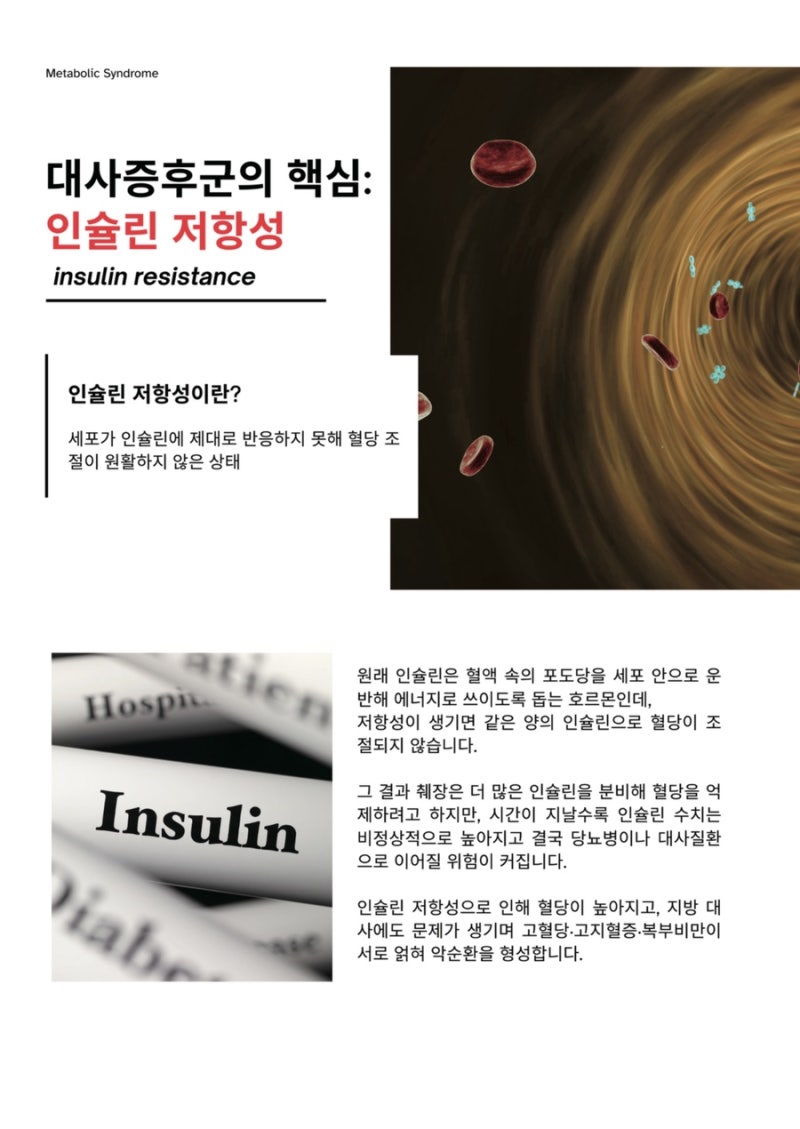
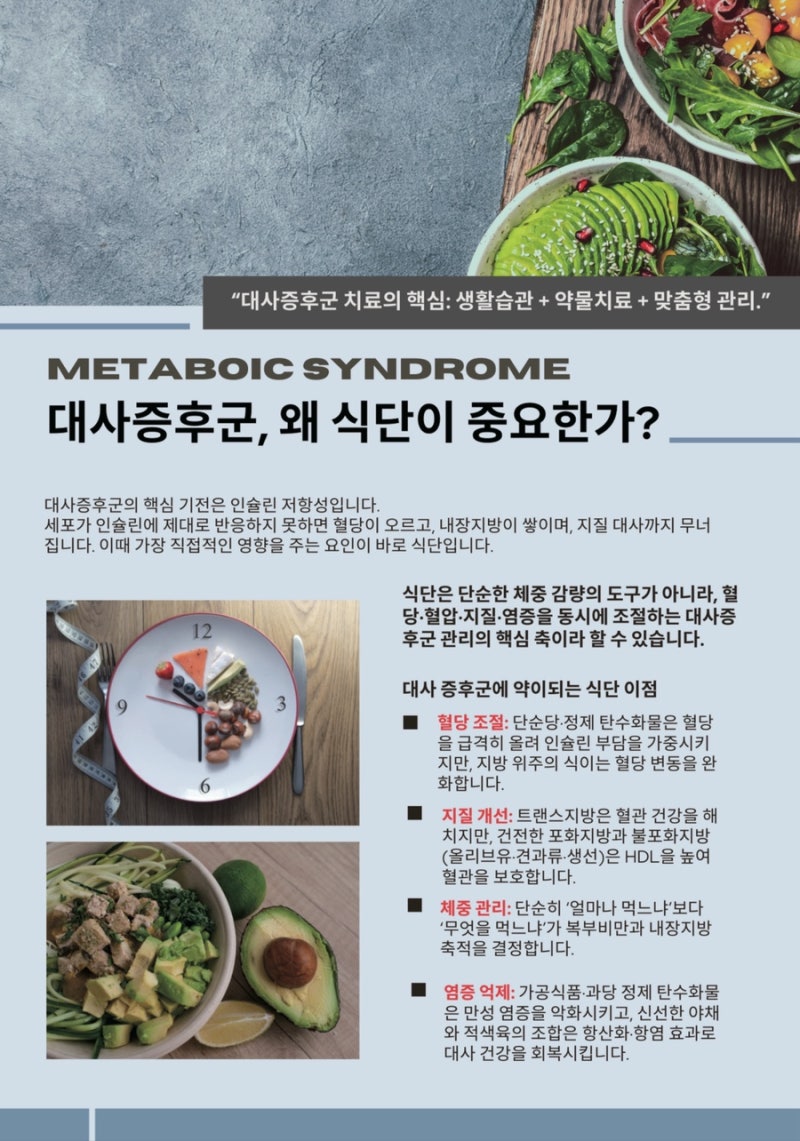
* Fasting Blood Sugar: ≥ 100mg/dL The Core of Metabolic Syndrome: Insulin Resistance Dongcheon-dong Sunyujae Korean Medicine Clinic What is insulin resistance? It is a state where cells do not respond properly to insulin, leading to impaired blood sugar control. Originally, insulin is a hormone that helps transport glucose from the blood into cells to be used for energy, but when resistance develops, the same amount of insulin cannot control blood sugar.
As a result, the pancreas produces more insulin to suppress blood sugar, but over time, insulin levels become abnormal, ultimately increasing the risk of leading to diabetes or metabolic diseases. Due to insulin resistance, blood sugar rises, and problems also arise in fat metabolism, with high blood sugar, hyperlipidemia, and abdominal obesity intertwining to form a vicious cycle.
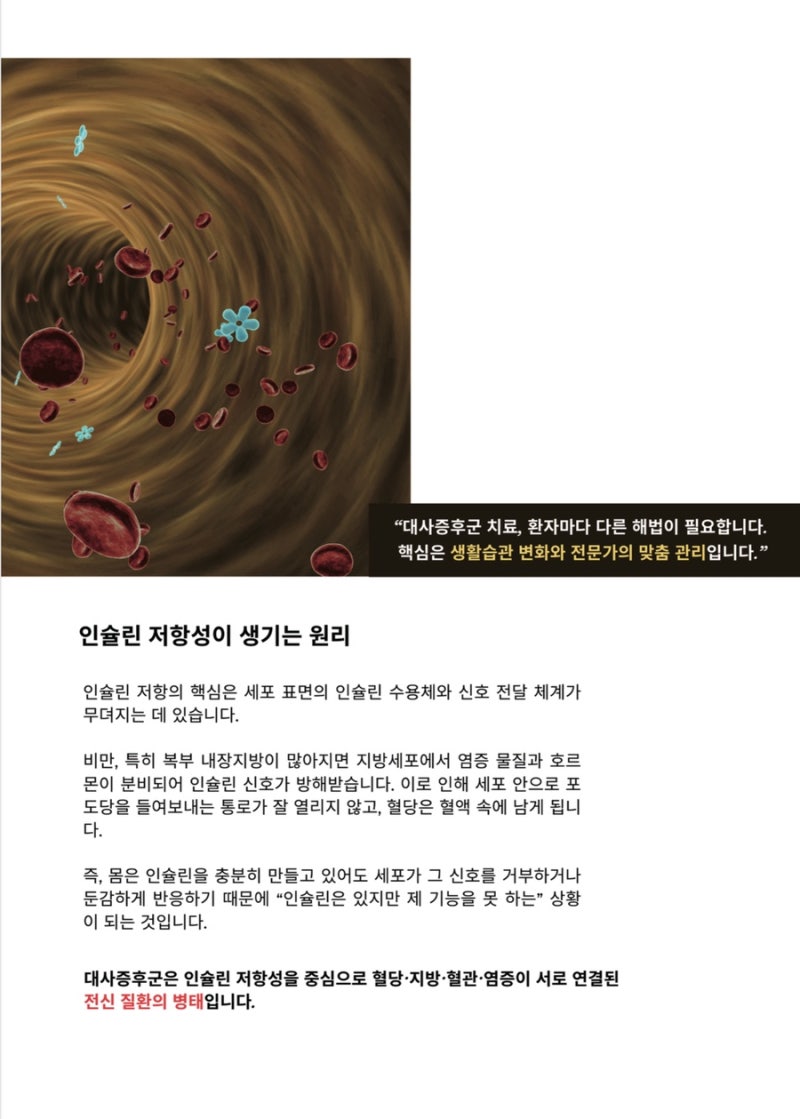
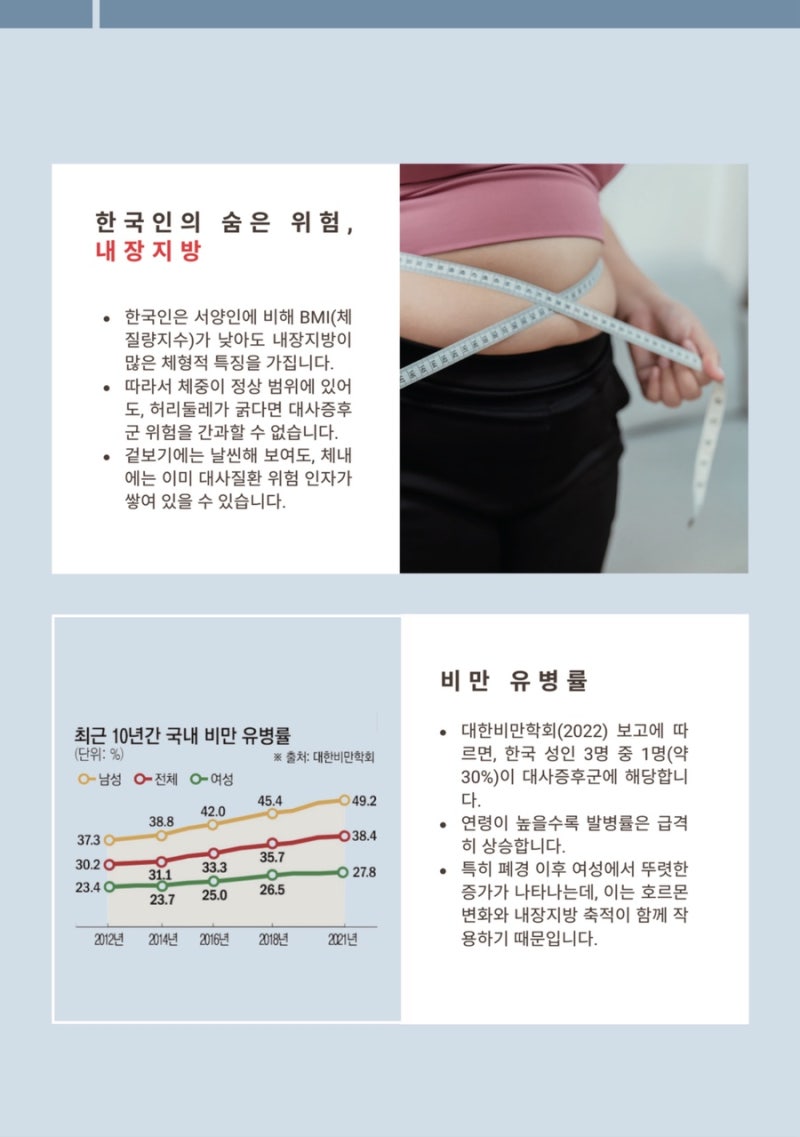
“Metabolic syndrome treatment requires different solutions for each patient. The key is lifestyle changes and personalized management from experts.” Dongcheon-dong Sunyujae Korean Medicine Clinic The Principle of Insulin Resistance Dongcheon-dong Sunyujae Korean Medicine Clinic The core of insulin resistance lies in the blunting of insulin receptors and signal transduction systems on the cell surface. When obesity, especially visceral fat in the abdomen, increases, inflammatory substances and hormones are secreted from fat cells, interfering with insulin signaling.
As a result, the pathways that allow glucose into the cells do not open properly, and blood sugar remains in the bloodstream. In other words, even if the body produces enough insulin, the cells reject or respond insensitively to that signal, leading to a situation where “insulin is present but not functioning properly.” Metabolic syndrome is a systemic disease pathology centered on insulin resistance, where blood sugar, fat, blood vessels, and inflammation are interconnected.
Metabolic syndrome is not merely an abnormality in numbers like blood sugar or blood pressure, but a signal that the entire body’s metabolism is losing its balance. In the next post, we will focus on the relationship between ‘visceral fat,’ which is particularly important for Koreans, and metabolic syndrome. https://m.blog.naver.com/sunyujae21/224003654195 👉 Please refer to the images below, which contain content from Monthly Sunyujae.


Valuable information for a healthy life We hope you will join Sunyujae Korean Medicine Clinic in sharing. Sunyujae Korean Medicine Clinic in Suji-gu pursues evidence-based medicine and integrative medicine.

This post was written directly by the medical staff of Sunyujae Korean Medicine Clinic to provide medical information, in compliance with Article 56(2) and Article 57(3) of the Medical Service Act. The duration and outcome of treatment may vary from person to person, so please consult a qualified practitioner before beginning treatment.
Consultation & Booking
Have questions? Reach us anytime via KakaoTalk or phone.