
Hello, this is Sunyujae Korean Medicine Clinic, where kind hearts reside.

Hello, I am Dr. Hyocheong Chae, director of Sunyujae Korean Medicine Clinic. When you enjoy exercising, there are times when you might overlook the signals your body sends. Among these, many people experience a stinging or pulling pain on the side of the knee when running. Today, I will discuss Iliotibial Band Syndrome, one of the most common causes of this pain.
A patient who was preparing for a marathon told us, “Recently, the side of my knee has been stinging, and I’m worried if it’s just simple fatigue or a bigger problem.” At first, it might seem like simple muscle fatigue. However, if it continues for several days or causes discomfort even when just walking, it’s difficult to dismiss it as mere fatigue.
If left untreated, recovery will be delayed and exercise will be difficult to continue, so it is essential to identify the cause.
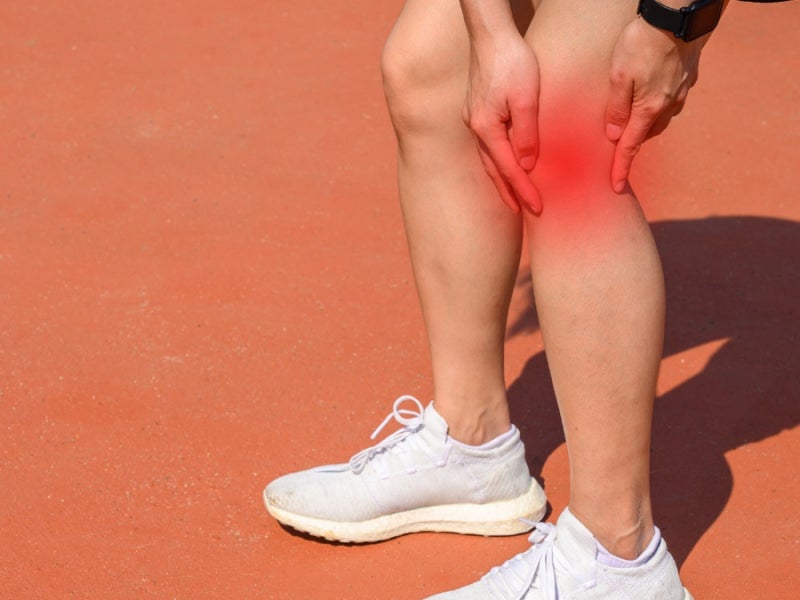
Why does the side of the knee hurt?
The most common cause of knee side pain is Iliotibial Band Syndrome. The iliotibial band is a long fibrous band that starts from the pelvis and extends along the outside of the thigh to the side of the knee. When running repeatedly, this ligament continuously rubs against the bone, causing irritation to build up.
Especially when climbing or descending stairs or running downhill, if the outer side of your knee is more sensitively painful, you can suspect Iliotibial Band Syndrome.
What is Iliotibial Band Syndrome (ITBS)?
Iliotibial Band Syndrome (ITBS) is a common outer knee pain experienced by runners.
•The iliotibial band is a thick fibrous band that originates from the iliac crest of the pelvis, passes along the outside of the thigh, and attaches to the outer side of the knee. •During running, repeated bending and straightening of the knee can cause the iliotibial band to rub against the femur, leading to irritation, pain, or inflammation.
In what situations does it commonly occur?
•Sudden increase in training volume: When running distance is suddenly increased. •Running uphill/downhill: When pressure on the outer knee increases. •Shoes with insufficient cushioning: When impact is directly transmitted to the joint.
•Posture •Postural imbalance: Problems with pelvic and knee alignment. •Muscle imbalance: Increased burden on the iliotibial band due to weakened hip and thigh muscles. Characteristics of symptoms: •Stinging or burning pain on the outer side of the knee during or after exercise. •If repeated, pain quickly occurs even during short runs. •Worsens on stairs or downhill. •Presence of a distinct tender point when pressing the side of the knee. Unlike simple muscle tightness, it is characterized by the repeated occurrence of the same pain in a specific area.
Not all knee side pain has the same cause. At Sunyujae Korean Medicine Clinic, there are various causes for knee side pain. Cases where it worsens when walking or moving, a pulling sensation when sitting up, or when accompanied by swelling and warmth, could be signals of other conditions.
Therefore, if symptoms persist, an accurate diagnosis is essential.
Iliotibial Band Syndrome Korean Medicine Clinic Treatment
•Acupuncture and Pharmacopuncture Treatment: Relaxes tense muscles and ligaments and alleviates pain. •Ultrasound-guided Pharmacopuncture: Increases safety and precision by confirming nerve and blood vessel locations with ultrasound before injecting pharmacopuncture. •Acupotomy: Directly releases hardened and adhered fascia around the iliotibial band, helping to fundamentally improve pain and inflammation.
•Herbal medicine: Tailored to individual constitution and recovery status, it aids in promoting qi and blood circulation and accelerates recovery. •Posture correction and stretching guidance: Provides daily management methods to prevent recurrence. Acupotomy, in particular, is effective in releasing fascial and muscular adhesions that cause pain, thereby speeding up recovery and reducing recurrence.
Knee side pain is often dismissed as “it’ll get better with a little rest,” but Iliotibial Band Syndrome can become chronic with repetition, making it difficult to enjoy exercise. Acupotomy can directly release hardened fascia and inflammation, aiding in rapid recovery and preventing recurrence. If you wish to continue exercising healthily for a long time, we recommend seeking professional medical attention early when symptoms appear. Please remember that recovery and management are just as important as exercise.
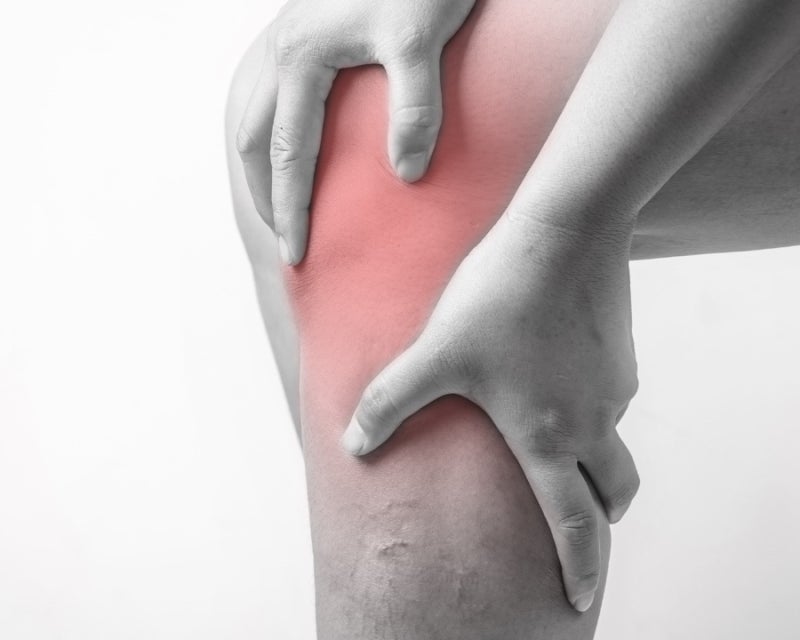
We hope you will join Sunyujae Korean Medicine Clinic, which shares valuable information for a healthy life. Suji-gu Korean Medicine Clinic Sunyujae pursues evidence-based medicine and integrative medicine.
This post was written directly by the medical staff of Sunyujae Korean Medicine Clinic to provide medical information, in compliance with Article 56(2) and Article 57(3) of the Medical Service Act. The duration and outcome of treatment may vary from person to person, so please consult a qualified practitioner before beginning treatment.
Consultation & Booking
Have questions? Reach us anytime via KakaoTalk or phone.