
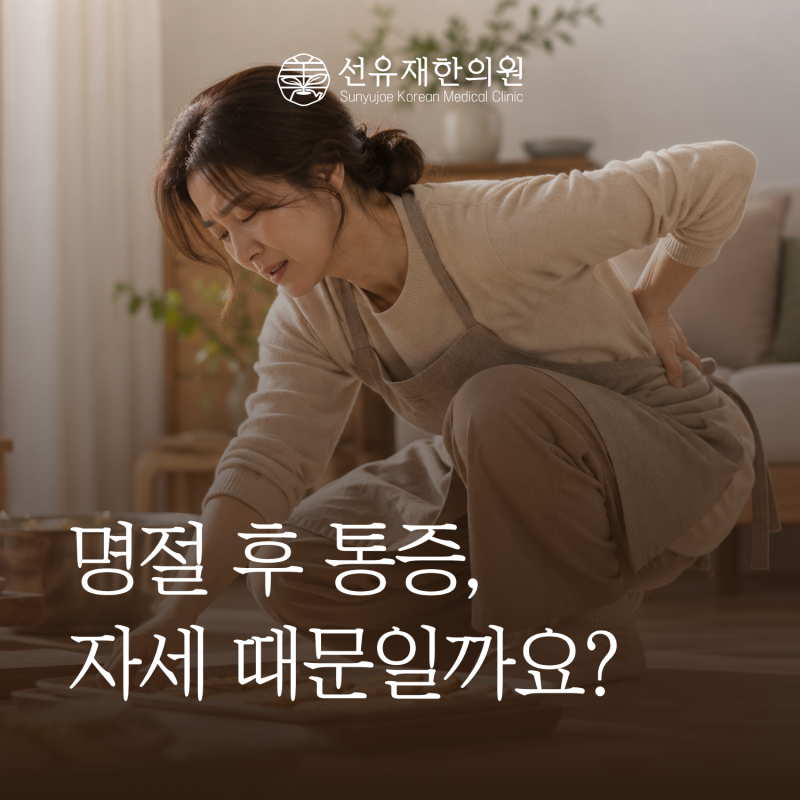
Many people report a stiff back and aching knees after the holidays. If they drove long distances, sat for extended periods, or spent a lot of time squatting on the floor while preparing food, the burden on their back and knees can be greater than usual. Initially, it’s easy to dismiss it, thinking a few days of rest will make it better. However, if your knees ache every time you sit down and stand up, or if you experience the same pain repeatedly when moving your back, it’s necessary to examine what postures and activities during the holidays might have contributed. Rather than the holidays themselves creating new conditions, increased activities compared to usual, such as long-distance travel, prolonged sitting, squatting, and repetitive housework, can exacerbate symptoms in areas that were already under strain.
Why Does My Back Hurt After Prolonged Sitting?
When driving long distances or maintaining a prolonged sitting posture, the muscles and fascia around the back can experience increased strain. During the holidays, the time spent sitting in the driver’s seat or maintaining the same posture while eating and conversing increases. Repetitive bending forward of the back while preparing food can also occur. In such situations, the strain concentrates around the back, leading to a stiff or pulling sensation.
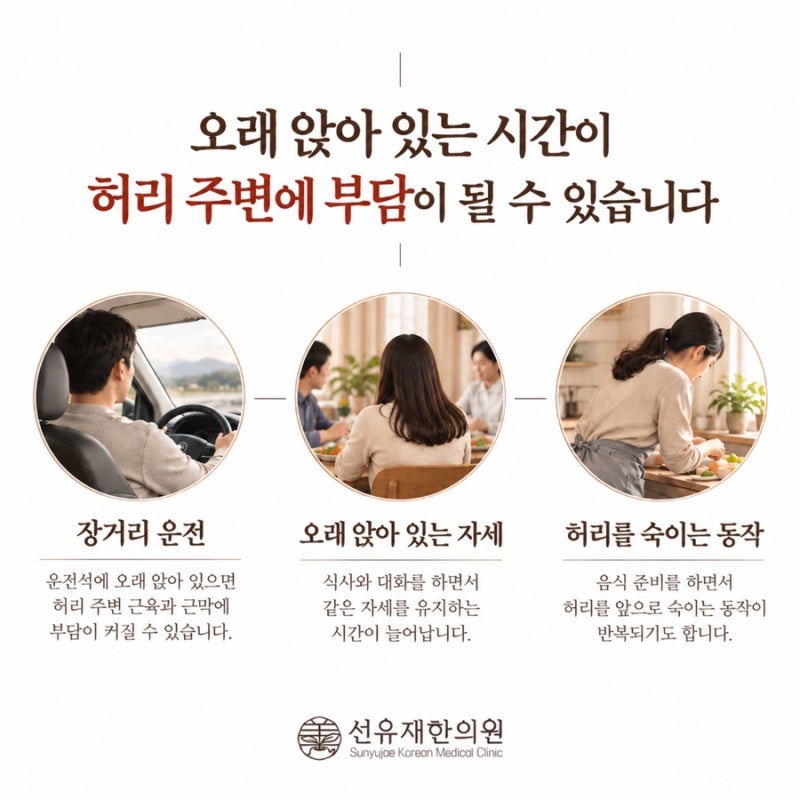
If you experience discomfort when standing up after prolonged sitting, or if pain is prominent when bending and straightening your back, it’s necessary to identify which movements trigger the symptoms. Back pain is difficult to pinpoint solely by the location of the pain. It could be influenced by muscle and fascial strain, or it could involve the lumbar joints or surrounding structures.
Key Summary at a Glance Back pain after the holidays can be influenced by repetitive movements more than usual, such as long-distance driving, prolonged sitting, and bending forward. It’s important to examine both the posture and movements that initiate the pain.
Why Do My Knees Ache More After Squatting?
Maintaining a squatting posture or deeply bent knees for extended periods, such as during holiday meal preparation, can create unusual strain around the knees. If you repeatedly sit down and stand up from the floor, and the amount of walking for shopping or housework also increases, the time spent using your knees also increases.
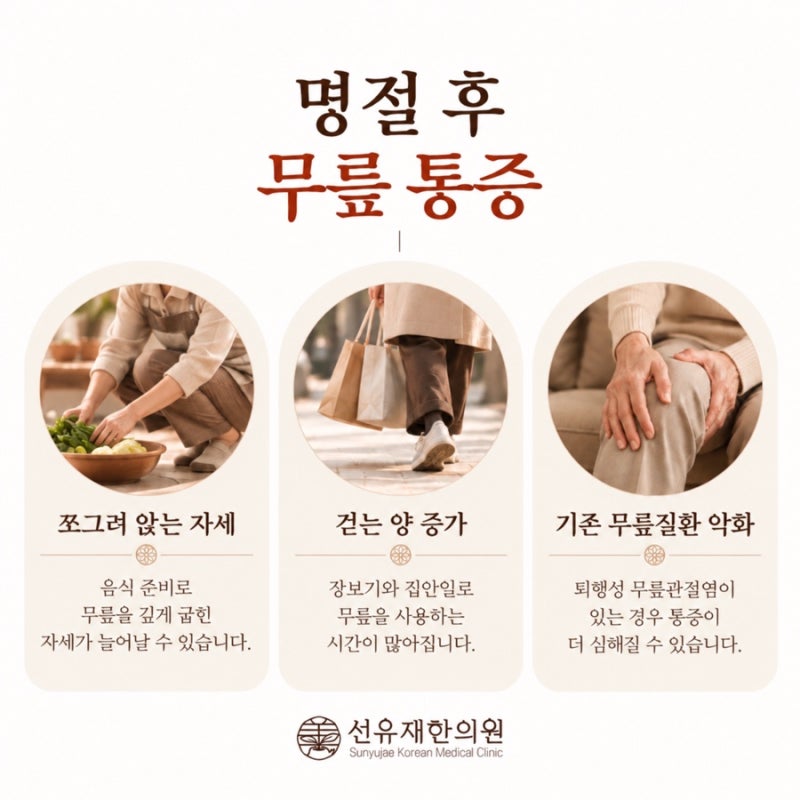
For those who usually experience knee discomfort, symptoms may become more pronounced after such activities. Even in cases of degenerative knee osteoarthritis, pain or an aching sensation can worsen after a sudden increase in activity. However, an aching knee alone is not sufficient to diagnose degenerative knee osteoarthritis. It’s necessary to examine the circumstances in which symptoms appear, such as which part of the knee hurts, or if there’s discomfort when using stairs or sitting down and standing up.
Common Misconception An aching knee after the holidays does not necessarily mean degenerative knee osteoarthritis. It could also be due to increased strain on surrounding tissues from movements more frequent than usual, such as squatting and repetitive sitting and standing.
If Both Your Back and Knees Hurt, What Should You Check?
If both your back and knees are uncomfortable simultaneously, it’s advisable to examine both areas individually and identify any changes in movement compared to your usual state. For your back, check if it feels stiff after prolonged sitting, or if it’s uncomfortable when bending or straightening. Pain or numbness radiating to the legs is also important information. For your knees, observe movements frequently performed in daily life, such as walking, climbing stairs, sitting down and standing up, and squatting. At Sunyujae Korean Medicine Clinic, we don’t just look at the painful area; we also examine the movements that actually cause discomfort for the patient. If necessary, we assess the condition and movement of surrounding tissues and refer to existing test results if available.
How Can Acupotomy Be Applied for Post-Holiday Pain?
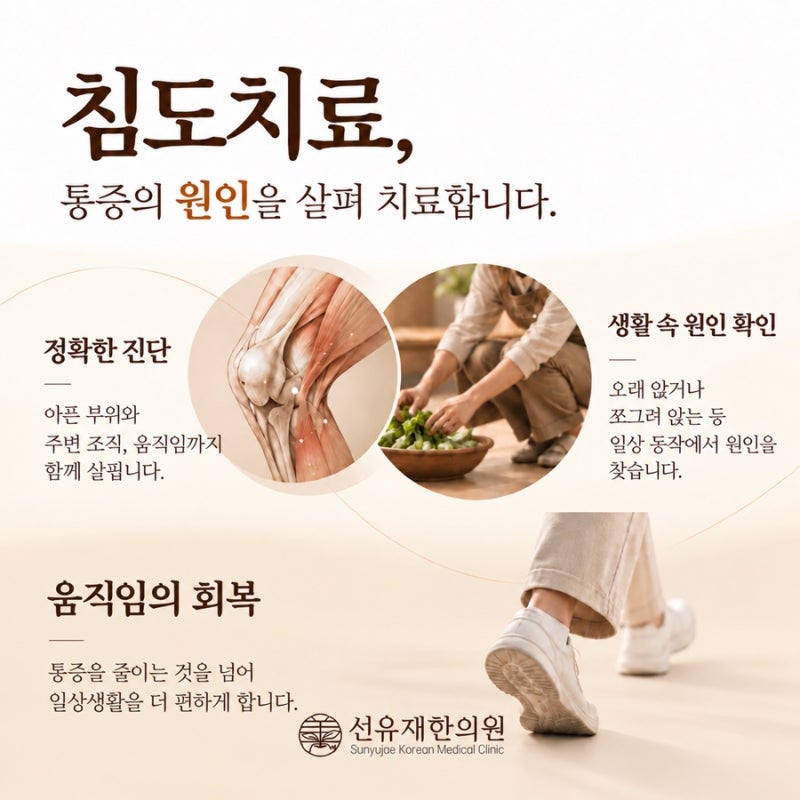
If back or knee pain is repetitive and movement is uncomfortable, acupotomy can be considered after assessing the current tissue condition and movement. Acupotomy is not simply applied to the painful spot; instead, it identifies the necessary areas by examining the painful site, the condition of surrounding tissues, and limitations in movement. If your back feels stiff after prolonged sitting or your knees are uncomfortable after squatting following the holidays, the treatment area is determined after identifying which movements in daily life trigger the symptoms. The treatment goal is not merely to reduce pain itself, but also to restore comfortable movement that was hindered by pain, making daily life a little easier.
Can Herbal Medicine for Pain Also Be Considered?
While acupotomy and pharmacopuncture directly address the tissue environment of the painful area, herbal medicine treatment takes a broader perspective, considering the body’s overall recovery environment. If acupotomy releases adhered tissues to create space for movement, and pharmacopuncture helps regulate local inflammation and tension, herbal medicine considers blood circulation, inflammatory response, tissue regeneration, and overall systemic condition.
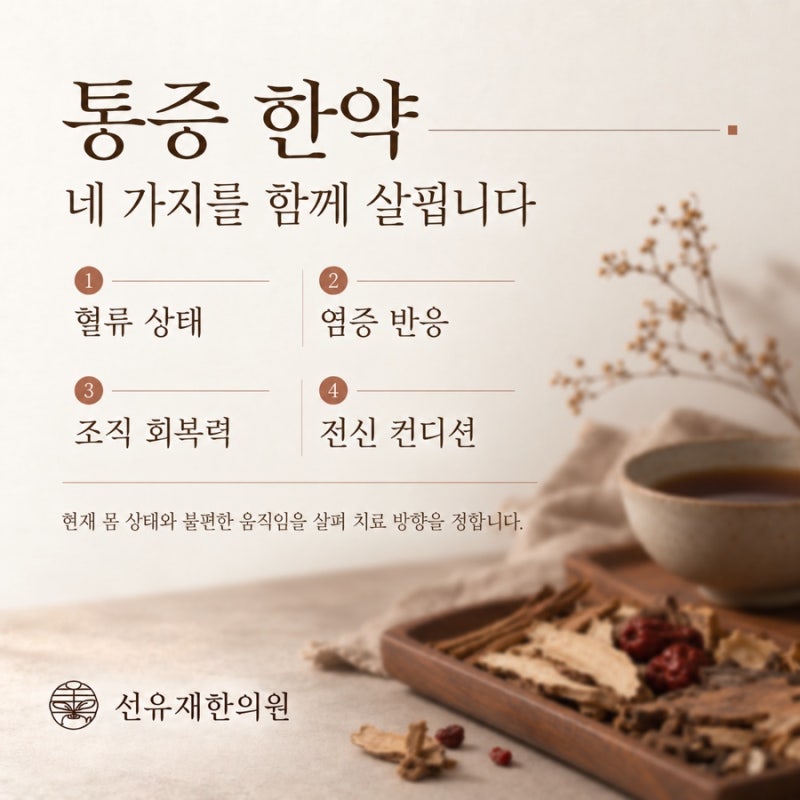
Even for the same back or knee pain, the same prescription is not applied to everyone. Whether to use acupotomy and pain-relieving herbal medicine together can also vary depending on the symptoms and current condition.
How Should You Manage Your Back and Knees After the Holidays?
After the holidays, rather than suddenly increasing your exercise volume, it’s better to gradually return to your usual activity level, giving your body time to adapt. If you have to sit for a long time, don’t maintain the same posture; change your position periodically. After long-distance driving, moving around briefly before continuing activities can also be helpful. If your knees are uncomfortable, it’s best not to maintain a squatting posture on the floor for long periods. When preparing food, try adjusting your working height to avoid continuously deep-bending your back and knees.
Lifestyle Management Tip If your back and knees are uncomfortable after the holidays, start by reducing the time you spend sitting for long periods and squatting. Move lightly within a pain-free range, and if the same pain recurs with a specific movement, it’s best to reduce that movement.
How to Distinguish Post-Holiday Pain from Simple Fatigue?
Mild stiffness that appears after the holidays can decrease with activity adjustment. However, if the pain persists or if movements that were previously comfortable become difficult, it’s advisable not to dismiss it as mere fatigue. If back pain is accompanied by pain or numbness radiating to the legs, or if knee pain makes walking and using stairs noticeably uncomfortable, it’s necessary to assess your current condition. Documenting when the pain started, what postures you maintained for long periods during the holidays, and which movements exacerbate it can help explain your current condition during a consultation.
Frequently Asked Questions
Q: If my back hurts after the holidays, could it be a herniated disc? A: Back pain after the holidays alone is not enough to diagnose a herniated disc. It could also be due to strain on surrounding areas from prolonged sitting or repetitive use of the back, so it’s important to examine both the pain and changes in movement.
Q: If my knee aches, is it degenerative knee osteoarthritis? A: It’s difficult to determine solely based on an aching knee. It’s important to identify which movements, such as using stairs, squatting, or sitting down and standing up, cause the pain.
Q: Can both my back and knees be treated simultaneously? A: Yes, it’s possible. However, we don’t necessarily assume that the pain in both areas stems from the same cause. After identifying the specific pain locations and movements for each, we determine the appropriate treatment direction.
Q: Can acupotomy be received for post-holiday pain? A: It can be applied depending on the condition, after assessing the painful area, the state of surrounding tissues, and limitations in movement.
Q: Can pain-relieving herbal medicine also be prescribed? A: Yes, it can be used in conjunction if necessary, after assessing your current pain and body condition. Prescriptions and treatment methods may vary depending on your current condition.
Final Thoughts
If your back and knees become uncomfortable after the holidays, rather than simply dismissing it as fatigue, it’s necessary to examine whether increased activities and postures compared to usual, such as long-distance travel, prolonged sitting, or squatting, have played a role. Treatment for musculoskeletal disorders does not end with pain reduction. If pain subsides and then recurs, it’s important to consider not only the painful area but also the reasons for recurring symptoms, residual strain on tissues, and aggravating factors in daily life. Examining adhered tissues and movement limitations with acupotomy, and considering blood circulation, inflammatory response, tissue regeneration, and overall systemic condition with herbal medicine treatment, is one approach to integrated treatment.
Sunyujae Korean Medicine Clinic assesses the painful area, current body condition, and lifestyle stressors to guide treatment direction. If discomfort in your back and knees persists after the holidays, please have your condition checked.
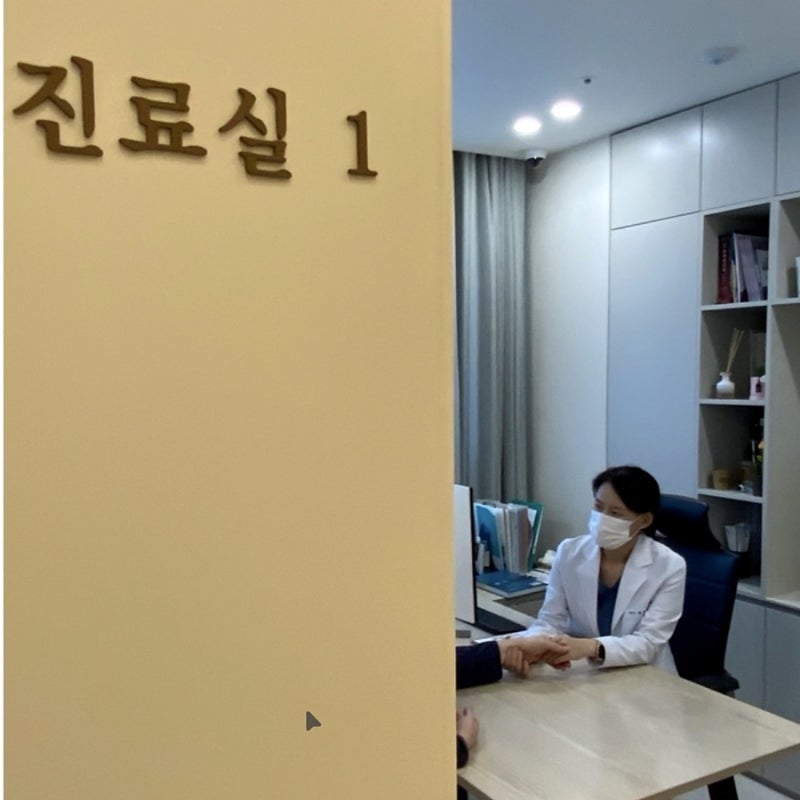
Sunyujae Korean Medicine Clinic in Suji-gu pursues evidence-based medicine and integrative medicine.
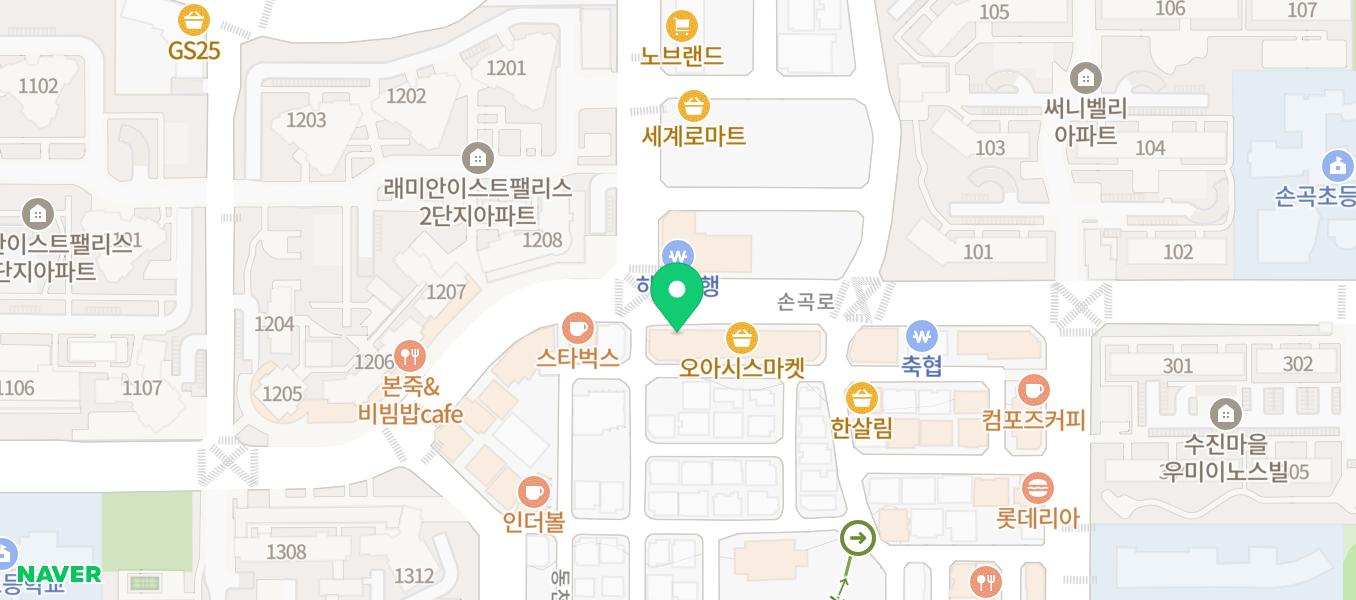
This post was written directly by the medical staff of Sunyujae Korean Medicine Clinic to provide medical information, in compliance with Article 56(2) and Article 57(3) of the Medical Service Act. The duration and outcome of treatment may vary from person to person, so please consult a qualified practitioner before beginning treatment.
Consultation & Booking
Have questions? Reach us anytime via KakaoTalk or phone.