Hello, this is Sunyujae Korean Medicine Clinic, where kind hearts reside.

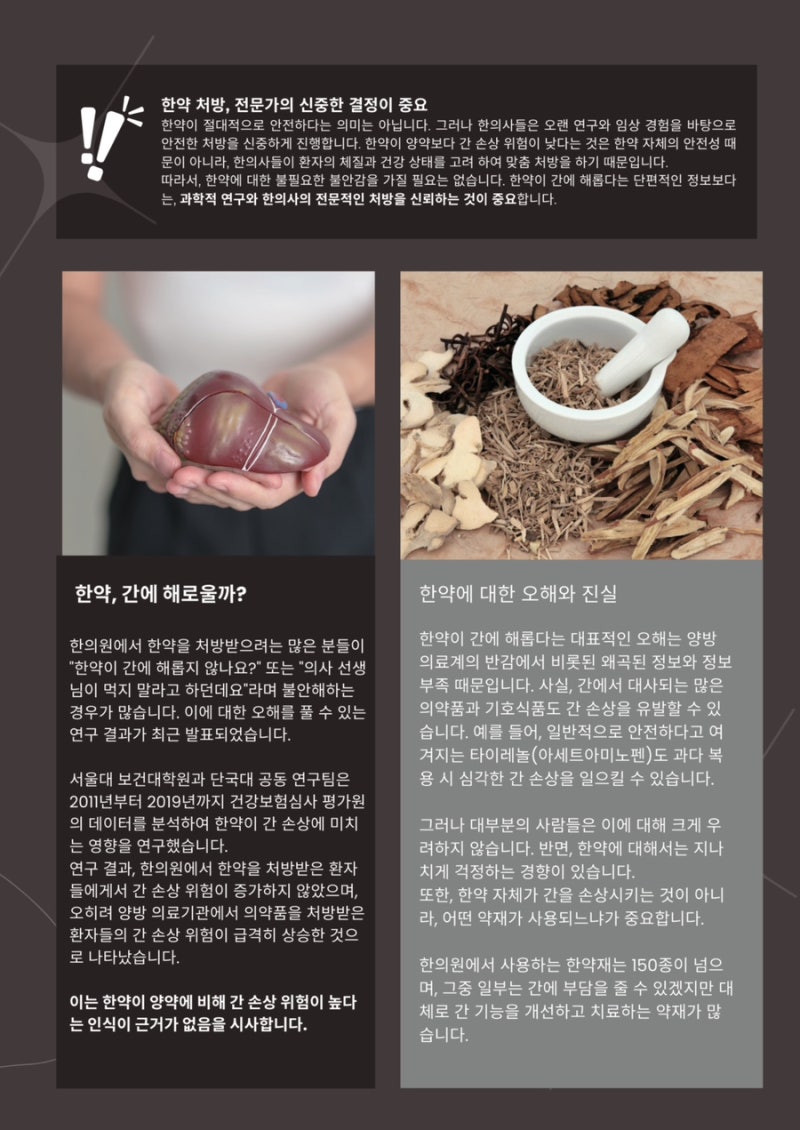
Hello, I am Dr. Hyocheong Chae, director of Sunyujae Korean Medicine Clinic. Herbal medicine, is it harmful to the liver? Many people who seek herbal medicine prescriptions at Korean medicine clinics
often feel anxious, asking, “Isn’t herbal medicine harmful to the liver?” or “My doctor told me not to take it.” Recently, research findings that can clarify these misunderstandings have been published. A joint research team from Seoul National University Graduate School of Public Health and Dankook University analyzed data from the Health Insurance Review and Assessment Service from 2011 to 2019 to study the effect of herbal medicine on liver damage.
The study results showed that the risk of liver damage did not increase in patients who received herbal medicine prescriptions from Korean medicine clinics. On the contrary, the risk of liver damage sharply increased in patients who received pharmaceutical prescriptions from Western medical institutions. This suggests that the perception that herbal medicine carries a higher risk of liver damage compared to Western medicine is unfounded.
Misconceptions and Truths about Herbal Medicine The prevalent misconception that herbal medicine is harmful to the liver stems from distorted information and a lack of information, often originating from antipathy within the Western medical community. In fact, many pharmaceuticals and recreational foods metabolized in the liver can also cause liver damage. For example, Tylenol (acetaminophen), generally considered safe, can cause severe liver damage if taken in overdose.
However, most people do not express significant concern about this. In contrast, there is a tendency to worry excessively about herbal medicine. Furthermore, it’s not herbal medicine itself that damages the liver, but rather which specific medicinal herbs are used that matters.
There are over 150 types of medicinal herbs used in Korean medicine clinics, and while some may burden the liver, many generally improve and treat liver function. Herbal Medicine Prescriptions: The Importance of a Specialist’s Careful Decision This does not mean that herbal medicine is absolutely safe. However, Korean medicine doctors carefully provide safe prescriptions based on extensive research and clinical experience.
The lower risk of liver damage with herbal medicine compared to Western medicine is not due to the inherent safety of herbal medicine itself, but because Korean medicine doctors provide personalized prescriptions, considering the patient’s constitution and health condition. Therefore, there is no need to harbor unnecessary anxiety about herbal medicine. Rather than relying on fragmented information that herbal medicine is harmful to the liver, it is important to trust scientific research and the professional prescriptions of Korean medicine doctors.
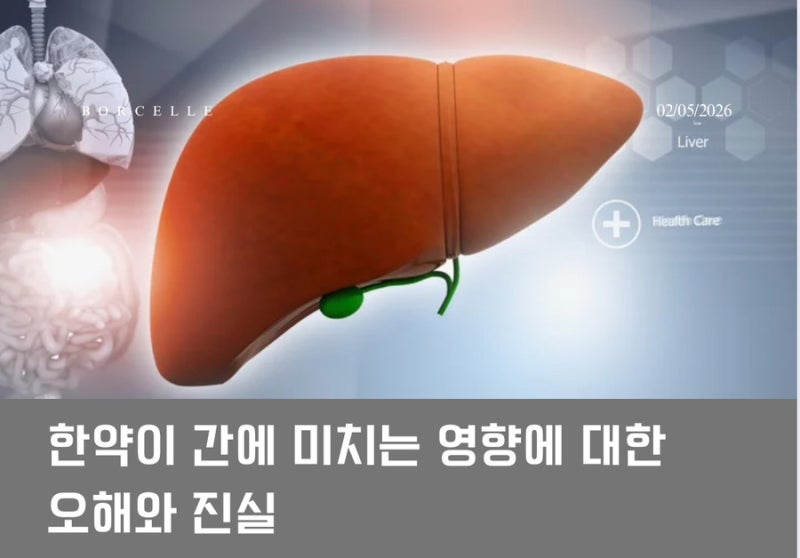
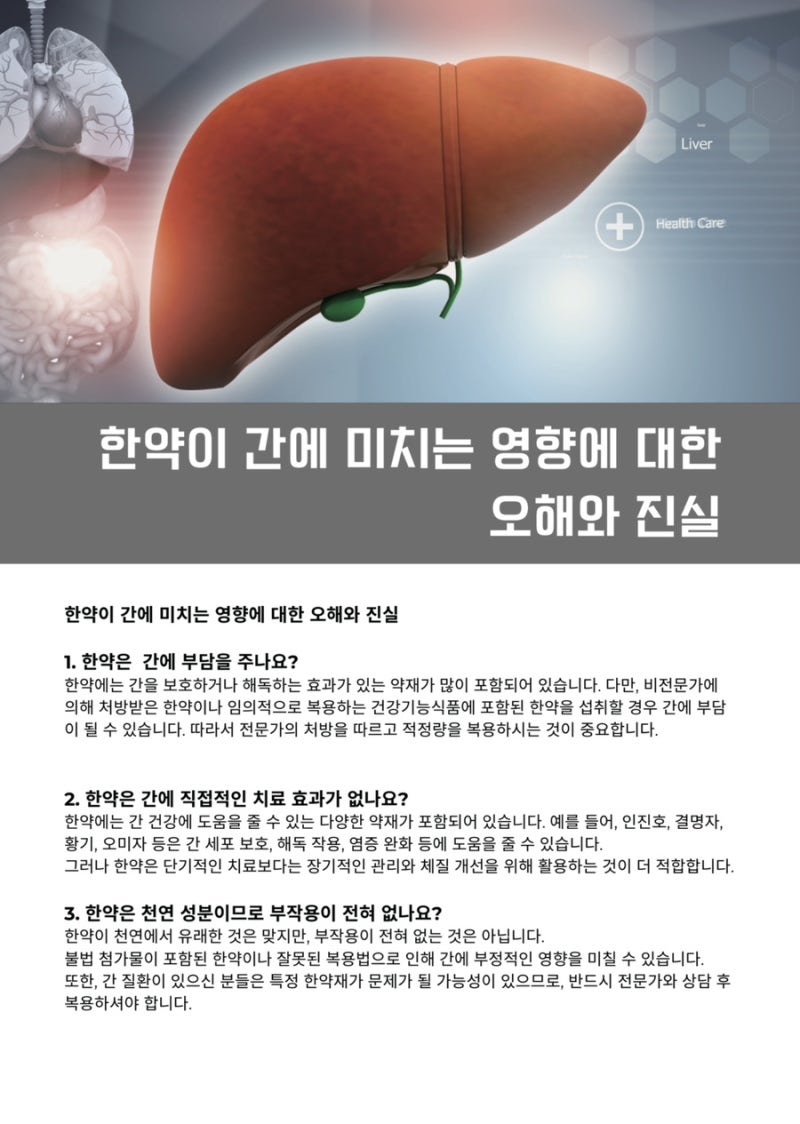
1. Does herbal medicine burden the liver? Herbal medicine contains many medicinal herbs that have liver-protective or detoxifying effects.
However, consuming herbal medicine prescribed by non-specialists or herbal ingredients included in health functional foods taken arbitrarily can burden the liver. Therefore, it is important to follow a specialist’s prescription and take the appropriate dosage. 2. Does herbal medicine have no direct therapeutic effect on the liver?
Herbal medicine contains various medicinal herbs that can help liver health. For example, Artemisia capillaris (Injin-ho), Cassia seed (Gyeolmyeongja), Astragalus root (Hwanggi), Schisandra berry (Omiza), etc., can help protect liver cells, detoxify, and reduce inflammation. However, herbal medicine is more suitable for long-term management and constitutional improvement rather than short-term treatment.
3. Since herbal medicine consists of natural ingredients, are there no side effects at all? While it is true that herbal medicine originates from natural sources, it is not entirely free from side effects.
Herbal medicine containing illegal additives or taken with incorrect dosages can negatively affect the liver. Furthermore, individuals with liver diseases should definitely consult a specialist before taking any herbal medicine, as certain medicinal herbs may pose a problem.
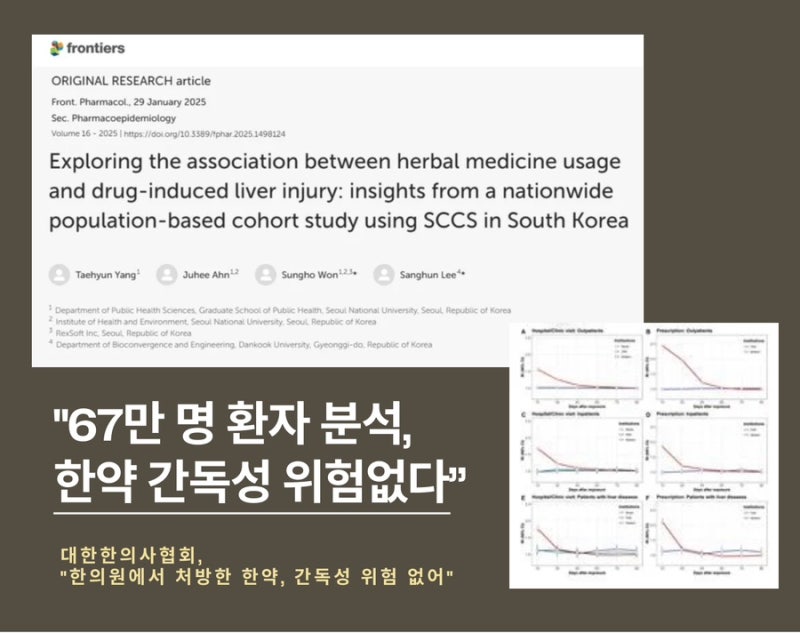
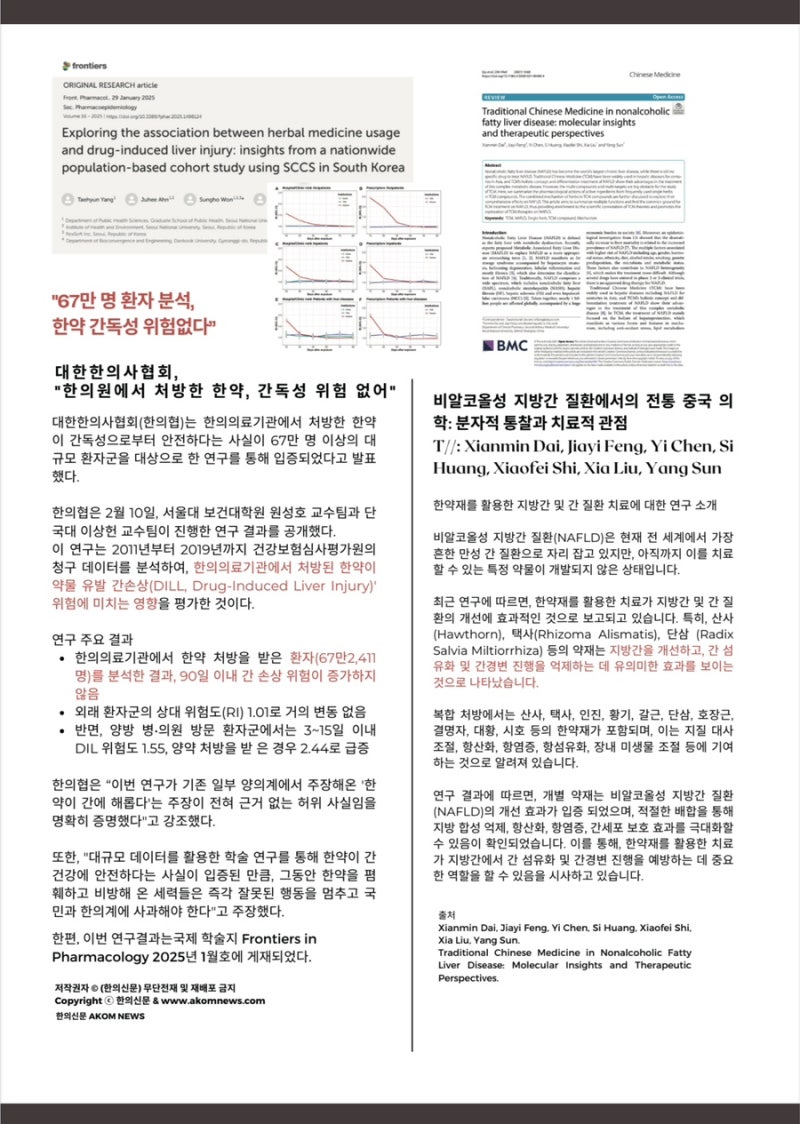
“Herbal Medicine Prescribed by Korean Medicine Clinics Poses No Risk of Liver Toxicity”
The Association of Korean Medicine (AKOM) announced that herbal medicine prescribed by Korean medicine institutions has been proven safe from liver toxicity through a study involving a large patient group of over 670,000 people. On February 10, AKOM disclosed the research findings conducted by Professor Won Sung-ho’s team at Seoul National University Graduate School of Public Health and Professor Lee Sang-heon’s team at Dankook University.
This study analyzed claim data from the Health Insurance Review and Assessment Service from 2011 to 2019 to evaluate the impact of herbal medicine prescribed by Korean medicine institutions on the risk of Drug-Induced Liver Injury (DILI). The analysis of patients (672,411 individuals) who received herbal medicine prescriptions from Korean medicine institutions showed: No increased risk of liver damage within 90 days. Relative Risk (RR) of 1.01 for outpatient groups, indicating almost no change.
In contrast, among patients visiting Western hospitals and clinics, the DILI risk sharply increased to 1.55 within 3-15 days, and to 2.44 when Western medicine was prescribed. AKOM emphasized, “This study clearly proves that the claim ‘herbal medicine is harmful to the liver,’ previously asserted by some in the Western medical community, is an entirely groundless falsehood.” Furthermore, “As academic research utilizing large-scale data has demonstrated the safety of herbal medicine for liver health,
those who have disparaged and slandered herbal medicine should immediately cease their wrongful actions and apologize to the public and the Korean medicine community.” Meanwhile, these research findings were published in the January 2025 issue of the international journal Frontiers in Pharmacology. Copyright © (Akom News) Unauthorized reproduction and redistribution prohibited. Copyright © Akom News & www.akomnews.com Akom News
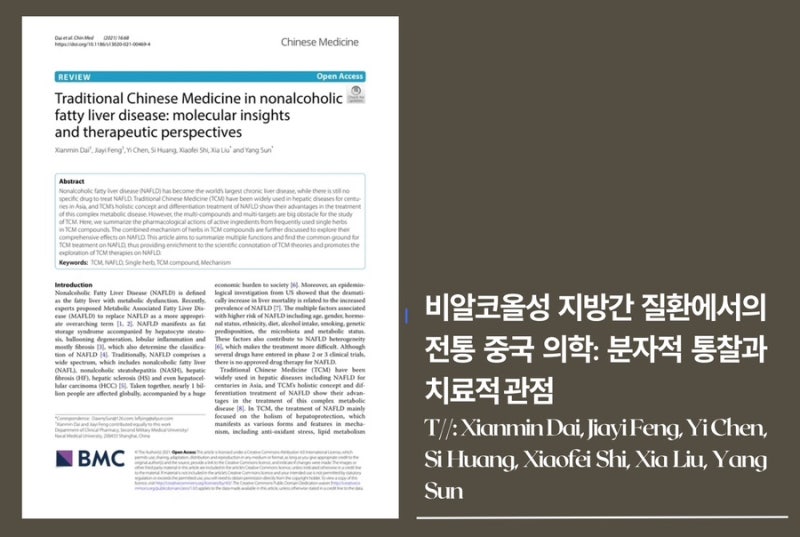
Traditional Chinese Medicine in Nonalcoholic Fatty Liver Disease: Molecular Insights and Therapeutic Perspectives T//: Xianmin Dai, Jiayi Feng, Yi Chen, Si Huang, Xiaofei Shi, Xia Liu, Yang Sun Introduction to Research on Treating Fatty Liver and Liver Diseases Using Medicinal Herbs Nonalcoholic Fatty Liver Disease (NAFLD) is currently the most common chronic liver disease worldwide, but
no specific drug to treat it has yet been developed. Recent studies report that treatment utilizing medicinal herbs is effective in improving fatty liver and liver diseases. In particular, medicinal herbs such as Hawthorn (Sansha), Rhizoma Alismatis (Taeksa), and Radix Salvia Miltiorrhiza (Dansam) have shown significant effects in improving fatty liver and inhibiting the progression of liver fibrosis and cirrhosis.
Complex prescriptions include medicinal herbs such as Hawthorn (Sansha), Rhizoma Alismatis (Taeksa), Artemisia capillaris (Injin), Astragalus root (Hwanggi), Pueraria root (Galgeun), Radix Salvia Miltiorrhiza (Dansam), Polygonum cuspidatum (Hojanggeun), Cassia seed (Gyeolmyeongja), Rhubarb (Daehwang), and Bupleurum root (Siho). These are known to contribute to lipid metabolism regulation, antioxidant, anti-inflammatory, anti-fibrotic effects, and gut microbiota modulation. According to the research results, individual medicinal herbs have demonstrated efficacy in improving Nonalcoholic Fatty Liver Disease (NAFLD), and it has been confirmed that appropriate combinations can maximize effects such as inhibiting fat synthesis, antioxidant, anti-inflammatory, and hepatoprotective effects.
This suggests that treatment utilizing medicinal herbs can play an important role in preventing the progression of liver fibrosis and cirrhosis from fatty liver. Source: Xianmin Dai, Jiayi Feng, Yi Chen, Si Huang, Xiaofei Shi, Xia Liu, Yang Sun.
Traditional Chinese Medicine in Nonalcoholic Fatty Liver Disease: Molecular Insights and Therapeutic Perspectives.
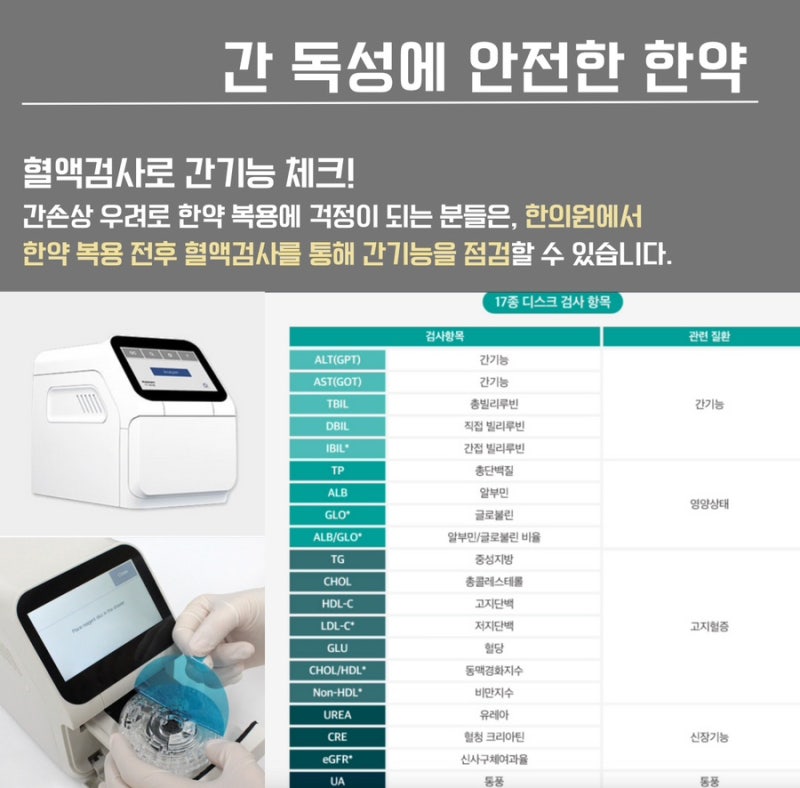
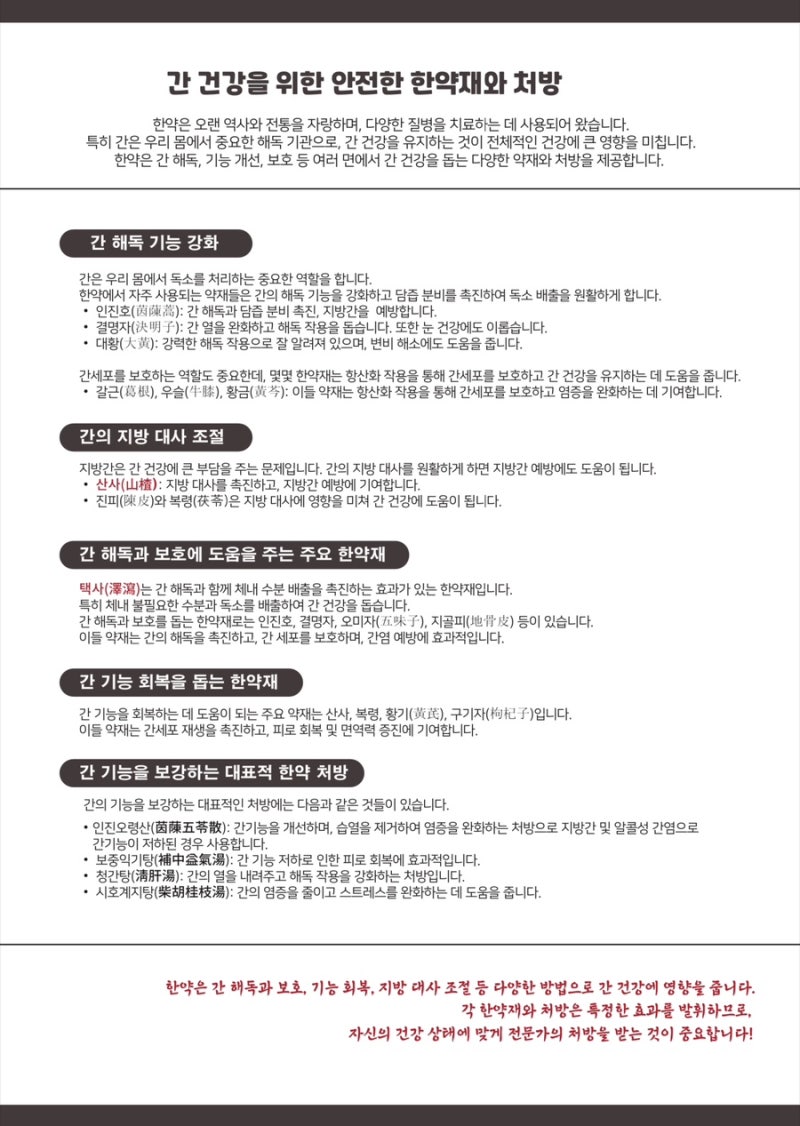
Safe Medicinal Herbs and Prescriptions for Liver Health Herbal medicine boasts a long history and tradition, having been used to treat various diseases. The liver, in particular, is a crucial detoxification organ in our body, and maintaining liver health significantly impacts overall well-being. Herbal medicine offers a variety of medicinal herbs and prescriptions that support liver health in multiple ways, including liver detoxification, functional improvement, and protection.
1. Enhancing Liver Detoxification Function The liver plays a vital role in processing toxins in our body. Medicinal herbs frequently used in herbal medicine strengthen the liver’s detoxification function and promote bile secretion, facilitating the smooth elimination of toxins.
• Artemisia capillaris (Injin-ho): Promotes liver detoxification and bile secretion, and prevents fatty liver. • Cassia seed (Gyeolmyeongja): Alleviates liver heat and aids detoxification. It also benefits eye health. • Rhubarb (Daehwang): Well-known for its strong detoxifying action and helps relieve constipation. The role of protecting liver cells is also important, and some medicinal herbs help protect liver cells and maintain liver health through antioxidant action.
• Pueraria root (Galgeun), Achyranthes root (Useul), Scutellaria root (Hwanggeum): These medicinal herbs contribute to protecting liver cells and reducing inflammation through antioxidant action. 2. Regulating Liver Fat Metabolism Fatty liver is a significant burden on liver health. Facilitating smooth liver fat metabolism also helps prevent fatty liver.
• Hawthorn (Sansha): Promotes fat metabolism and contributes to fatty liver prevention. • Tangerine peel (Jinpi) and Poria cocos (Boknyeong) influence fat metabolism, benefiting liver health. 3. Key Medicinal Herbs that Aid Liver Detoxification and Protection Rhizoma Alismatis (Taeksa) is a medicinal herb that has the effect of promoting liver detoxification along with the excretion of bodily fluids.
Specifically, it helps liver health by expelling unnecessary bodily fluids and toxins. Medicinal herbs that aid liver detoxification and protection include Artemisia capillaris (Injin-ho), Cassia seed (Gyeolmyeongja), Schisandra berry (Omiza), and Lycium chinense root bark (Jigolpi). These medicinal herbs promote liver detoxification, protect liver cells, and are effective in preventing hepatitis.
4. Medicinal Herbs that Aid Liver Function Recovery
Key medicinal herbs that help restore liver function are Hawthorn (Sansha), Poria cocos (Boknyeong), Astragalus root (Hwanggi), and Goji berry (Gugija). These medicinal herbs promote liver cell regeneration, aid in fatigue recovery, and boost immunity.
5. Representative Herbal Medicine Prescriptions that Strengthen Liver Function The following are representative prescriptions that strengthen liver function: • Injinoryeongsan: A prescription that improves liver function, removes damp-heat, and alleviates inflammation, used when liver function is impaired due to fatty liver and alcoholic hepatitis. • Bojungikgitang: Effective for fatigue recovery caused by impaired liver function.
• Cheonggantang: A prescription that reduces liver heat and enhances detoxification. • Sihogyejitang: Helps reduce liver inflammation and alleviate stress. Herbal medicine influences liver health in various ways, including liver detoxification and protection, functional recovery, and fat metabolism regulation. Since each medicinal herb and prescription exerts specific effects, it is important to receive a specialist’s prescription tailored to your health condition.
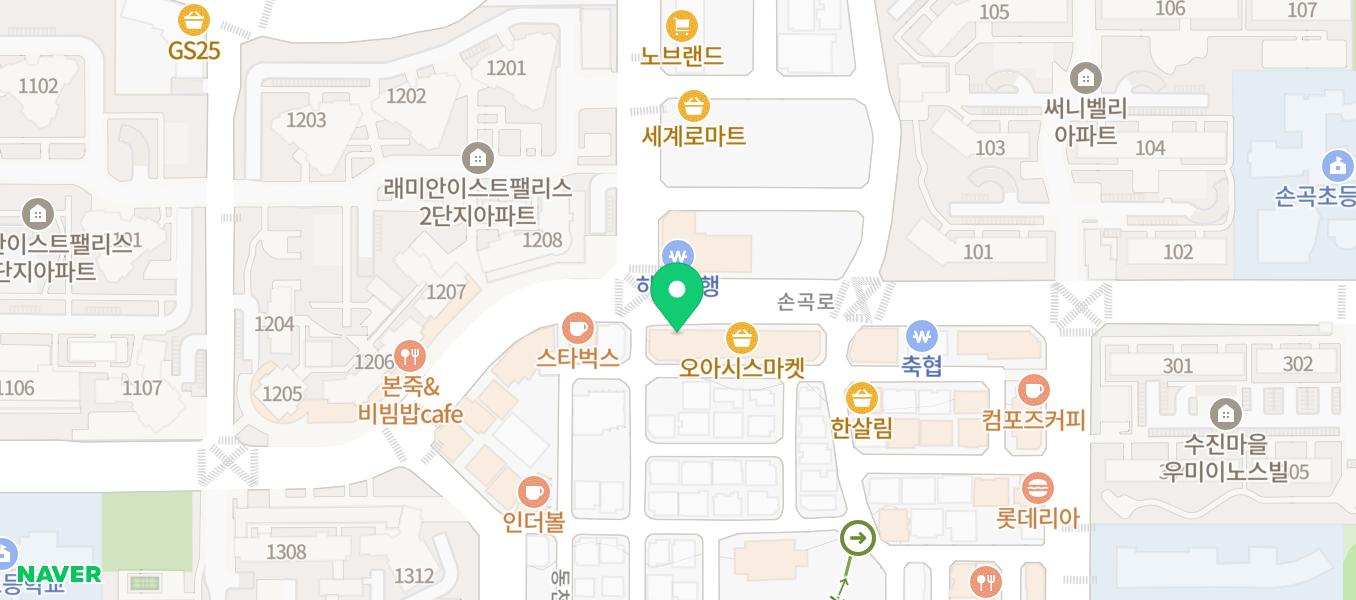
We hope you will join Sunyujae Korean Medicine Clinic in sharing valuable information for a healthy life. Sunyujae Korean Medicine Clinic in Suji-gu pursues evidence-based medicine and integrative medicine.
This post was written directly by the medical staff of Sunyujae Korean Medicine Clinic to provide medical information, in compliance with Article 56(2) and Article 57(3) of the Medical Service Act. The duration and outcome of treatment may vary from person to person, so please consult a qualified practitioner before beginning treatment.
Consultation & Booking
Have questions? Reach us anytime via KakaoTalk or phone.