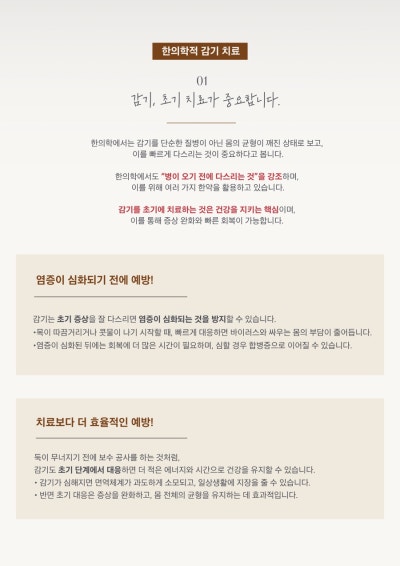
It’s October, and the morning and evening air has become quite chilly. As the daily temperature range has widened, we’ve seen an increase in people saying, “My cold is gone, but only the cough remains,” and asking, “Why does this post-cold cough last so long?” We also frequently hear stories like, “All other symptoms have subsided, but I cough every night and can’t sleep well.” Many people receiving treatment have also started asking, “What exactly is acupotomy?” To allow you to slowly reread at home the explanations you heard once in the clinic, we have prepared the October 2026 Monthly Sunyujae.
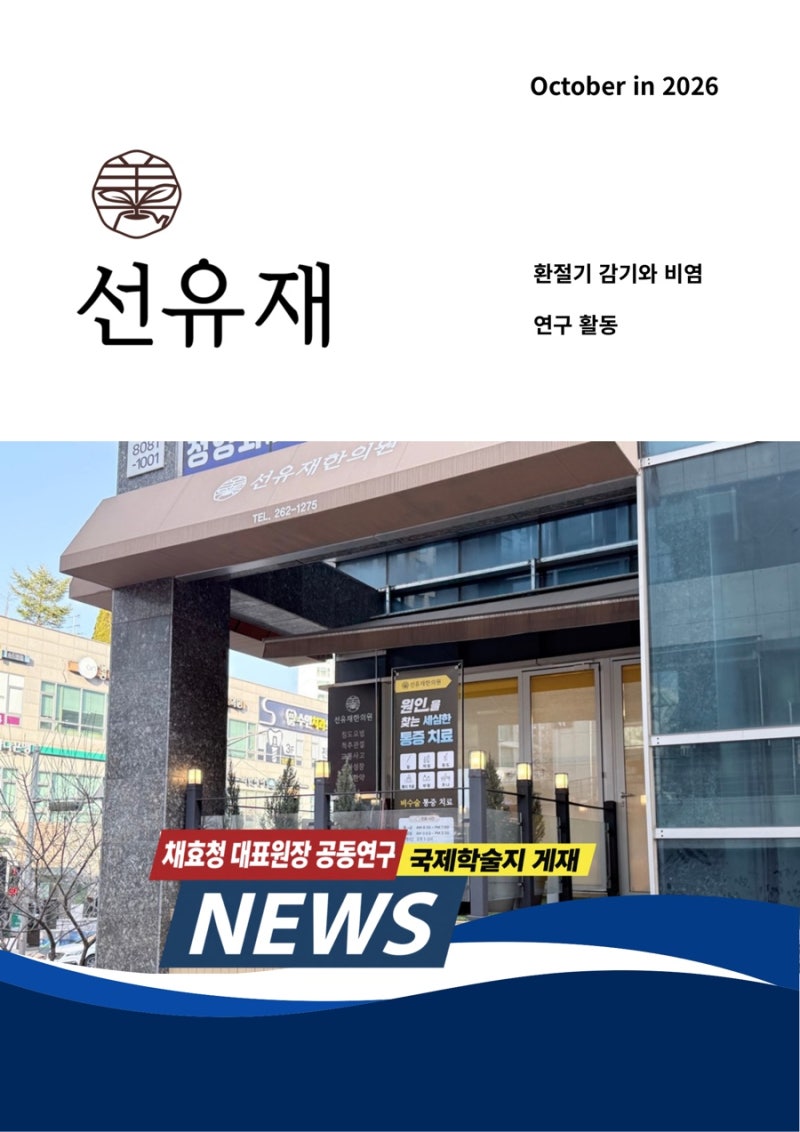
This issue contains seasonal colds and rhinitis, and news of Dr. Hyocheong Chae’s acupotomy research being published in an international journal.
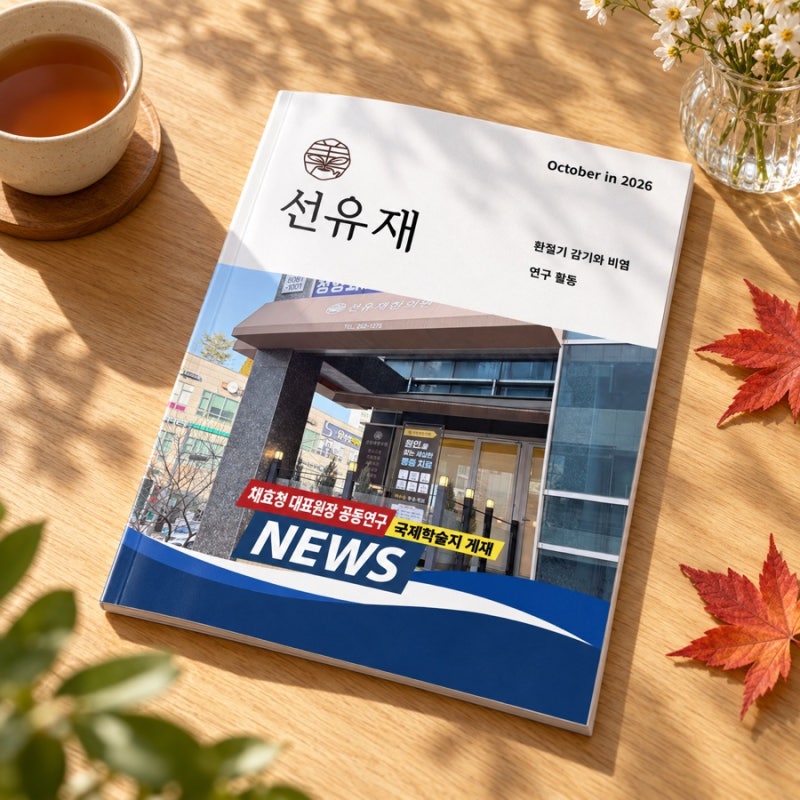
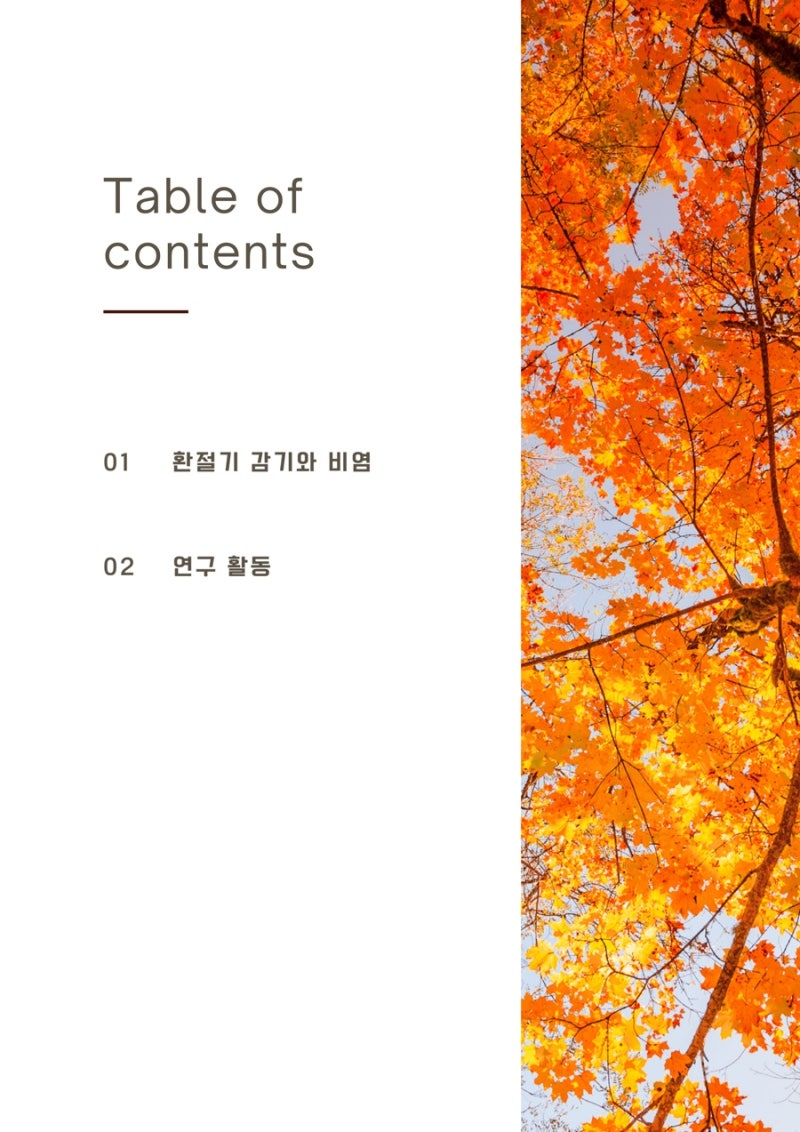
October Monthly Sunyujae CONTENTS
01. Seasonal Colds and Rhinitis The reason why cough remains after a cold, cold treatment tailored to symptoms without antibiotics
02. Research Activities Acupotomy research on nerve adhesion, published in the international journal Experimental Neurology
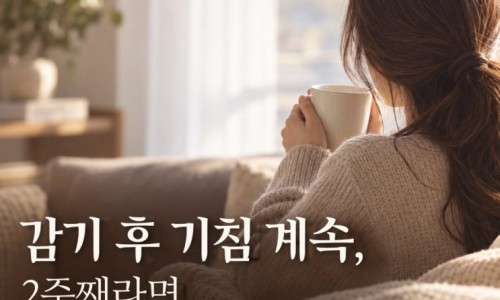
01. My cold is gone, but the cough remains. Why is that?
“My fever is down and my runny nose has stopped, but I keep coughing.”
“When I lie down, my cough gets worse, so I keep waking up at night.”
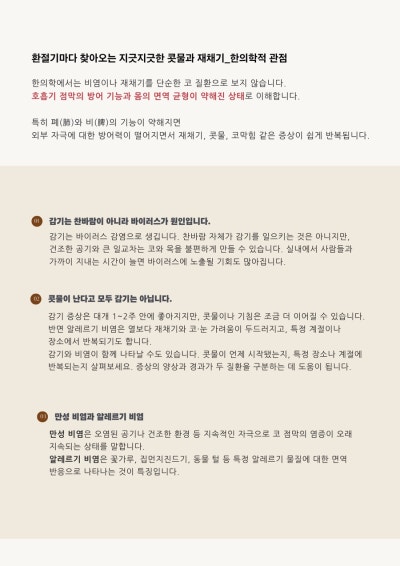
“I’ve finished all my cold medicine, but my throat still feels ticklish.” These are common statements we hear in the clinic these days. A persistent cough after a cold is often because the throat and bronchial tubes, which became sensitive during the cold, have not fully recovered yet. Colds are caused by viral infections and usually improve within 1-2 weeks, but a cough can sometimes last a bit longer. This is also why coughing increases when you breathe in cold air or lie down. Sensitive bronchial tubes react easily to small stimuli.
If your cough continues for more than 3 weeks, or if you experience shortness of breath and a fever returns,
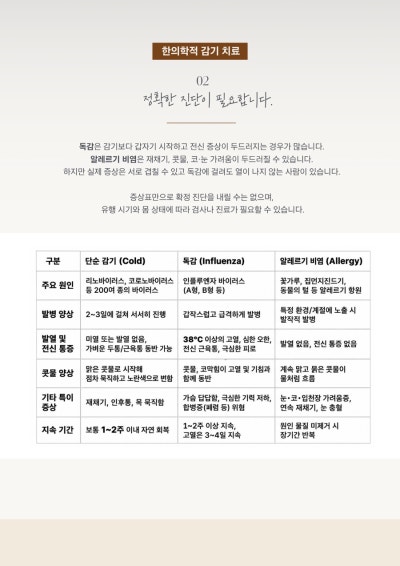
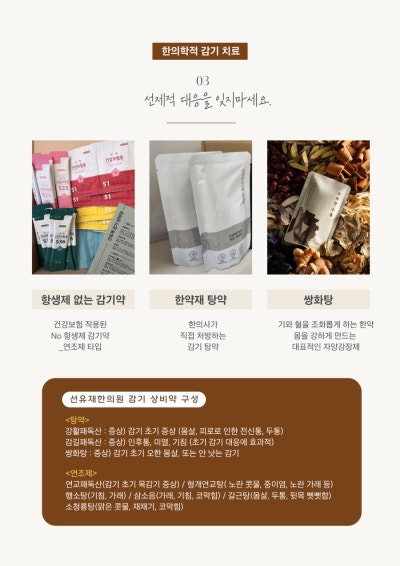
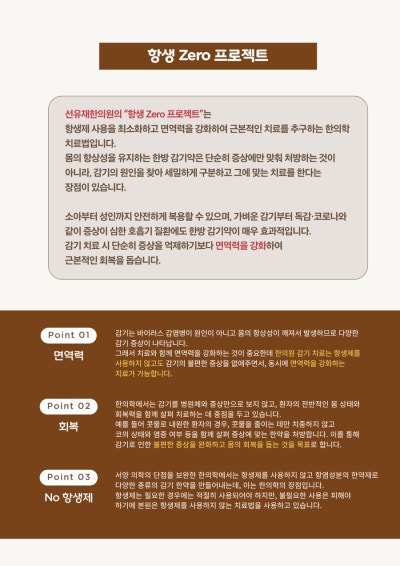
it’s advisable to seek medical attention rather than dismissing it as just a lingering cold. The October Monthly Sunyujae includes a comparison chart to help distinguish between colds, flu, and rhinitis, along with Sunyujae Korean Medicine Clinic’s ‘Antibiotic Zero Project’ which prescribes treatment tailored to symptoms and body condition without antibiotics, a guide to essential cold medicines, and frequently asked questions about rhinitis.
02. How Does Acupotomy Work on Nerve Adhesion? News of an International Journal Publication
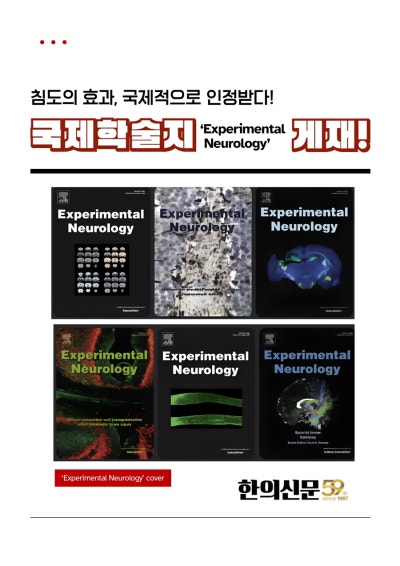
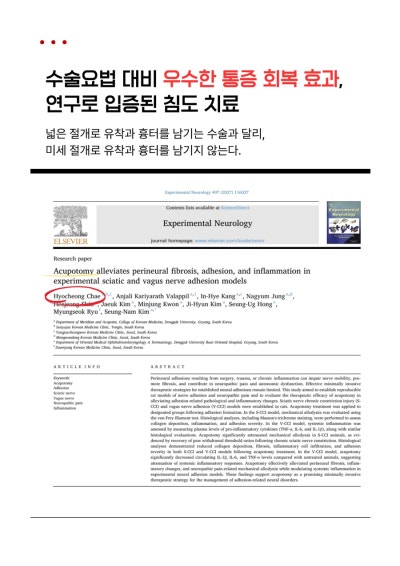
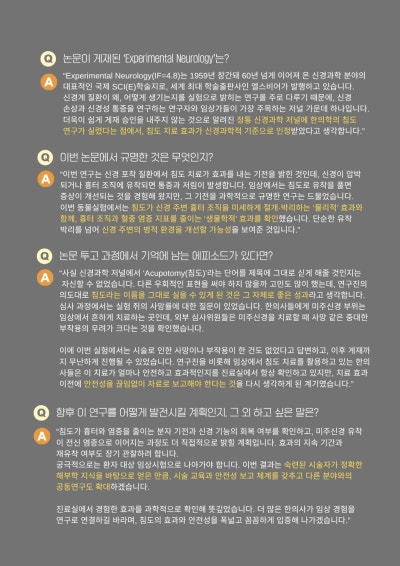
The second story in the October issue is about Dr. Hyocheong Chae’s research. This topic also occupies the most pages in this issue. Dr. Hyocheong Chae’s acupotomy research, conducted with Professor Kim Seung-nam’s research team at Dongguk University College of Korean Medicine, was published in the international journal Experimental Neurology.
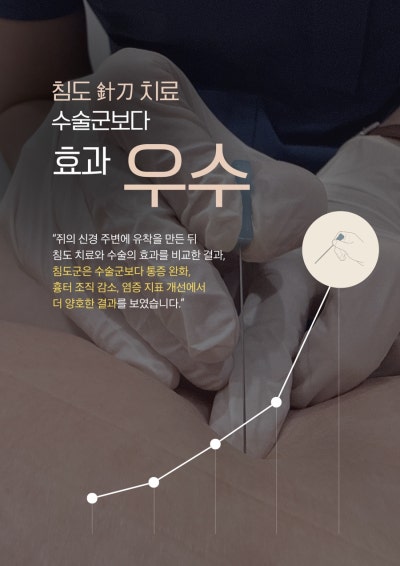
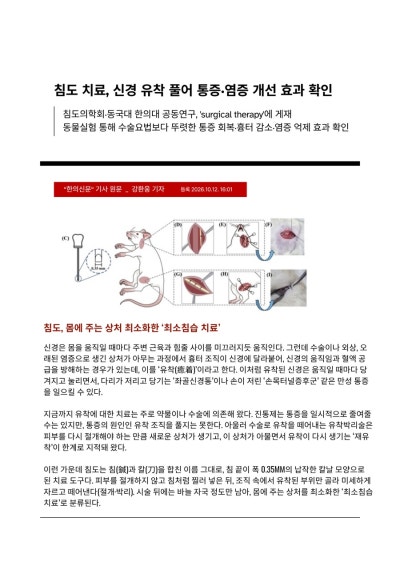
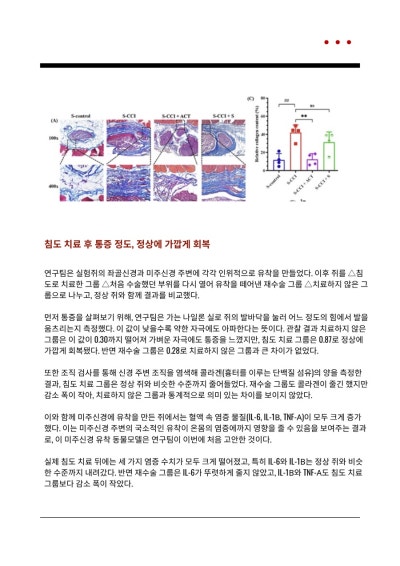
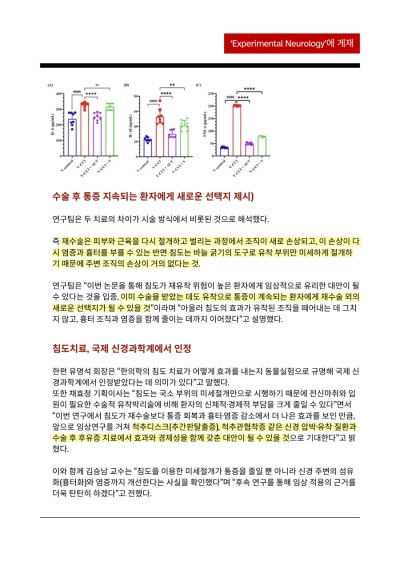
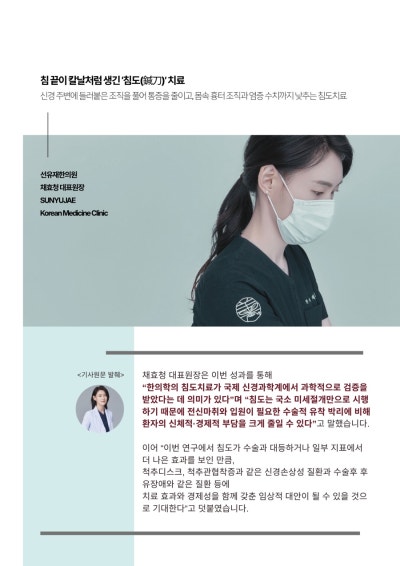
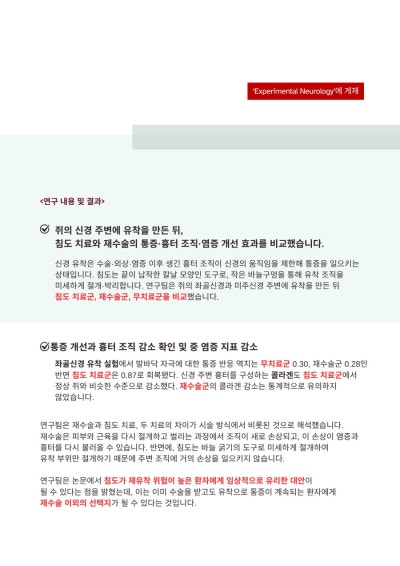
Dr. Hyocheong Chae, who is the Planning Director of the Korean Society of Acupotomy, participated as a co-first author in this paper. Nerve adhesion is a condition where scar tissue formed after surgery, trauma, or inflammation adheres to the nerves, hindering their movement. It’s easy to understand if you imagine tangled plastic wrap. Acupotomy is a tool with a flat, blade-shaped tip. It enters through a small needle puncture without incising the skin and meticulously releases the adhered areas. The research team created adhesions around the sciatic nerve and vagus nerve in mice, then divided them into groups receiving acupotomy treatment, re-surgery, or no treatment, to observe how pain responses, scar tissue, and inflammatory markers in the blood changed. The vagus nerve adhesion animal model was devised by this research team for the first time.
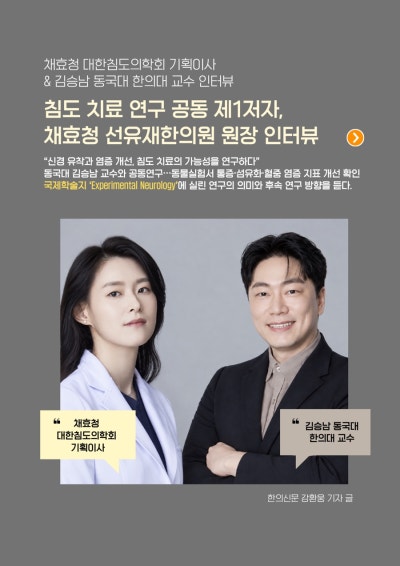
As these are results from the animal experiment stage, they cannot be directly applied to humans. Nevertheless, they serve as foundational data for understanding cases where discomfort persists due to adhesion even after surgery. This issue also includes an article from the Korean Medicine Newspaper and an interview with Dr. Hyocheong Chae and Professor Kim Seung-nam. We captured the director’s voice on various topics: that Experimental Neurology is an international journal in the field of neuroscience founded in 1959, the process of being able to include ‘Acupotomy’ directly in the paper’s title, how safety questions during peer review were answered, and plans to proceed with clinical research targeting patients in the future. We will introduce the paper’s contents in more detail separately on the blog.
The Monthly Sunyujae is a Korean medicine health information magazine for in-clinic use at Sunyujae Korean Medicine Clinic, not for sale. When you visit Sunyujae Korean Medicine Clinic, you can freely read it during your waiting time or before/after your consultation. The contents of the Monthly Sunyujae are also introduced one by one on our blog. If you’re curious about an explanation you heard in the clinic again, or if you want to read it with your family, feel free to look it up. This October’s Monthly Sunyujae includes stories about post-cold coughs and seasonal colds, as well as news of acupotomy research published in an international journal. Come to Sunyujae Korean Medicine Clinic in Dongcheon-dong, Suji-gu, and comfortably browse the October Monthly Sunyujae, prepared for the season when autumn leaves turn vibrant.
Moving forward, we will continue to share easy-to-understand stories frequently discussed in the clinic, based on evidence-based medicine and integrative medicine. Sunyujae Korean Medicine Clinic, where kind hearts reside.
We hope you will join Sunyujae Korean Medicine Clinic in sharing valuable information for a healthy life.
Consultation & Booking
Have questions? Reach us anytime via KakaoTalk or phone.