
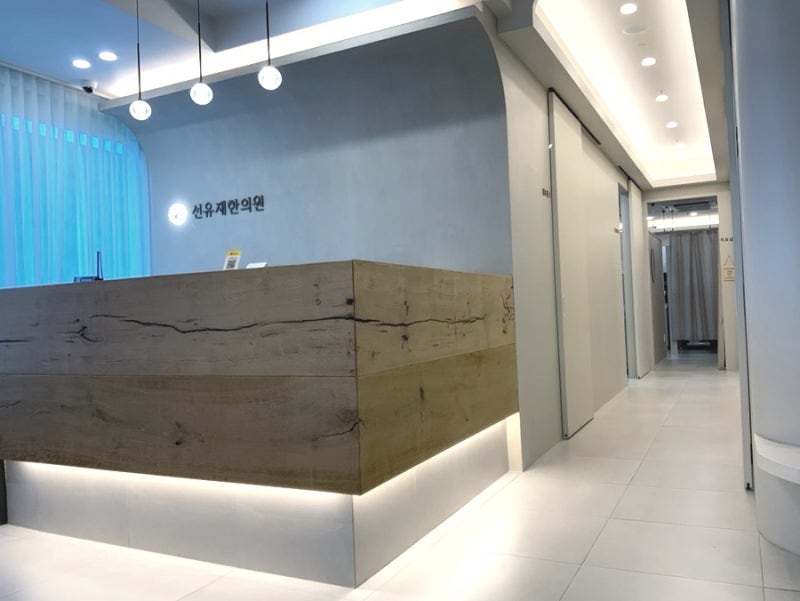
Hello, this is Sunyujae Korean Medicine Clinic, where kind hearts reside.

As autumn arrives, more people head to the mountains. However, there’s also an increase in those who experience a “stinging sensation in the knee” or “pain when going down stairs” after hiking. Most people dismiss it, thinking a few days of rest will fix it. But if the pain persists for over a week, or if your knees feel stiff in the morning, it could be a sign of joint damage, not just simple muscle soreness.
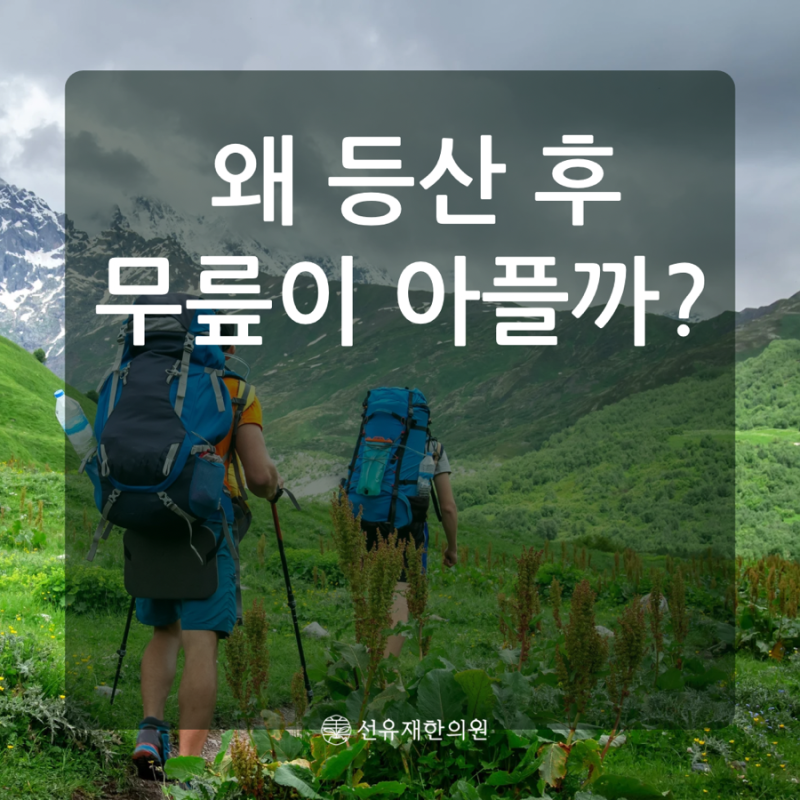
Hiking is an exercise that places complex loads on the knee joint and causes friction during repeated bending and straightening movements. This increases the burden on the joints, cartilage, and ligaments more than usual. When descending, the knees bear a load equivalent to several times one’s body weight. The knee is the joint in our body that bears the most weight.
Even when walking on flat ground, it’s 2-3 times your body weight While a load is placed, on stairs or downhill paths, the knees bear a load of up to 5-6 times your body weight. This means that with every step down, repetitive impact is applied to the cartilage and ligaments, and this micro-damage can accumulate, leading to pain or inflammation. Especially if your exercise volume suddenly increases or if you lack regular strength training, the muscles supporting the knee can become fatigued, causing pressure within the joint to shift to one side,
which can exacerbate the pain.
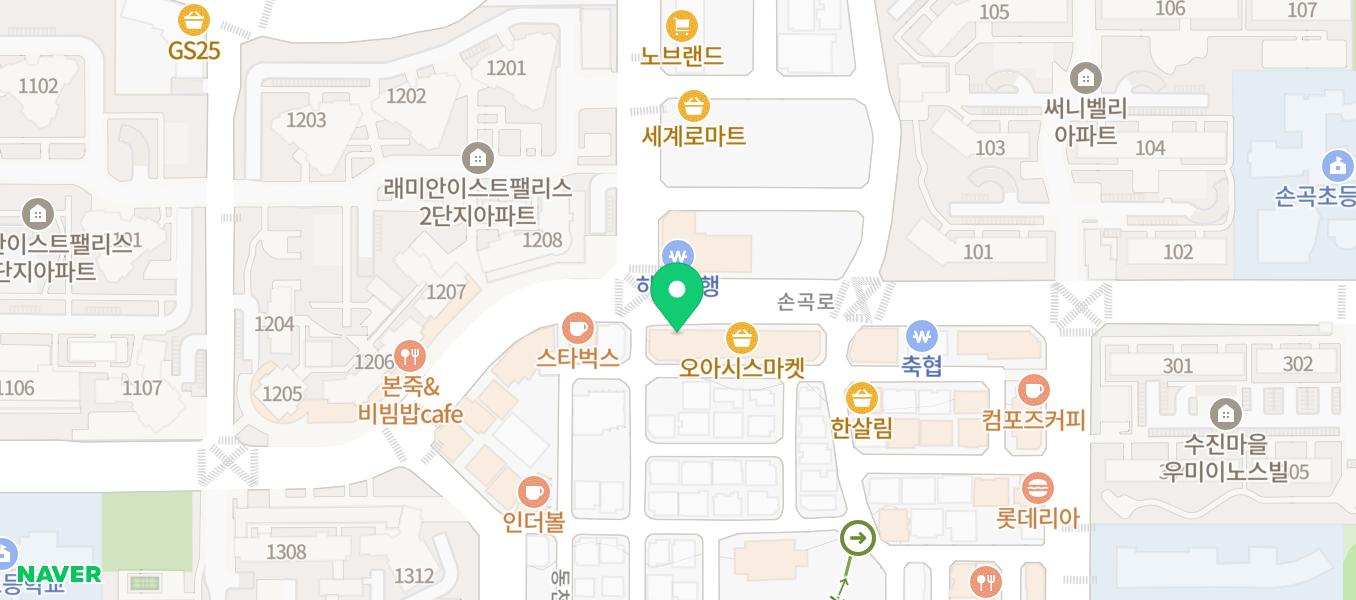
The causes also vary by age. At Sunyujae Korean Medicine Clinic in
people in their 20s and 30s often say things like, “I twisted it during exercise,” or “My knee suddenly hurts while running.”
Pain at this age often results from acute damage to ligaments or cartilage, and if not properly managed early on, there’s a risk of it developing into chronic pain. In contrast, after the age of 50, cartilage begins to wear down due to natural degenerative changes, and many people complain of cold or swollen knees as the weather gets colder.
In such cases, it’s not just simple muscle fatigue, but also impaired Qi and blood circulation and coldness acting together.
Korean Medicine Management Methods
Korean medicine views pain as arising when Qi and blood circulation around the knee is blocked, or when Wind (風), Cold (寒), and Dampness (濕) accumulate in the joint. The core of treatment at this point is to restore circulation and create an environment where damaged tissues can heal themselves.
Acupuncture Acupuncture Treatment — Helps relax stiff muscles and improve circulation, aiding in pain relief.
Acupotomy — Acupotomy directly separates adhesions (stuck tissues) that have formed in muscles, fascia, ligaments, etc.,
thereby promoting tissue regeneration. It helps resolve tension in the tissues around the knee, addressing the root cause of pain.
Moxibustion and Cupping Therapy — Warms cold joints, helping to
improve blood flow and the inflamed area, stabilizing it.
Pharmacopuncture Treatment — In cases of severe inflammation or accompanying swelling,
pharmacopuncture containing herbal medicine extracts is used concurrently to help promote tissue regeneration and recovery.
Herbal Medicine Prescription — Varies depending on constitution and symptoms.
Prescriptions that aid Qi and blood circulation and strengthen muscles Prescriptions that aid Qi and blood circulation and strengthen muscles are beneficial not only for pain relief but also for preventing recurrence.
Lifestyle Management Tips for Knee Health
1. Stretching before and after hiking is essential! Even investing just 5 minutes can significantly reduce the risk of injury. 2. On stairs and downhill paths, slow down and use trekking poles to distribute the load.
3. Avoid squatting and cross-legged sitting positions, as they put unnecessary pressure on the knees. 4. Weight Management Even a 1kg increase in body weight places approximately three times that load on the knees.
5. Consistent lower body strength training Strengthening your thigh and gluteal muscles significantly reduces the burden on your knees. Hiking is a great exercise, but incorrect posture or excessive load can put a significant strain on knee health. Especially if pain persists for more than a week, or if it’s accompanied by swelling or warmth, do not neglect it by thinking “it will get better with rest.” It is crucial to receive an accurate diagnosis and personalized treatment.
We hope you will join Sunyujae Korean Medicine Clinic in sharing valuable information for a healthy life. Sunyujae Korean Medicine Clinic in Suji-gu pursues evidence-based medicine and integrative medicine.
This post was written directly by the medical staff of Sunyujae Korean Medicine Clinic to provide medical information, in compliance with Article 56(2) and Article 57(3) of the Medical Service Act. The duration and outcome of treatment may vary from person to person, so please consult a qualified practitioner before beginning treatment.
Consultation & Booking
Have questions? Reach us anytime via KakaoTalk or phone.