![[Suji-gu Sunyujae Korean Medicine Clinic] What's the difference between a cold, flu, and COVID-19? Korean Medicine Treatment Methods](https://syjkmc.kr/wp-content/uploads/2026/06/224283478255_img_0.jpeg)
Hello, this is Sunyujae Korean Medicine Clinic, where good hearts reside.
These days, the weather is chilly in the mornings and evenings, yet warm during the day. In such transitional seasons with significant temperature fluctuations, the body’s immunity can easily waver. During this time, many people get confused as colds, the flu, and even COVID-19 present with similar symptoms.
However, these three conditions are caused by different viruses, and the body’s reactions and recovery processes also differ. Today, we’d like to discuss respiratory illnesses that require particular attention during transitional seasons, from the perspective of Korean medicine.
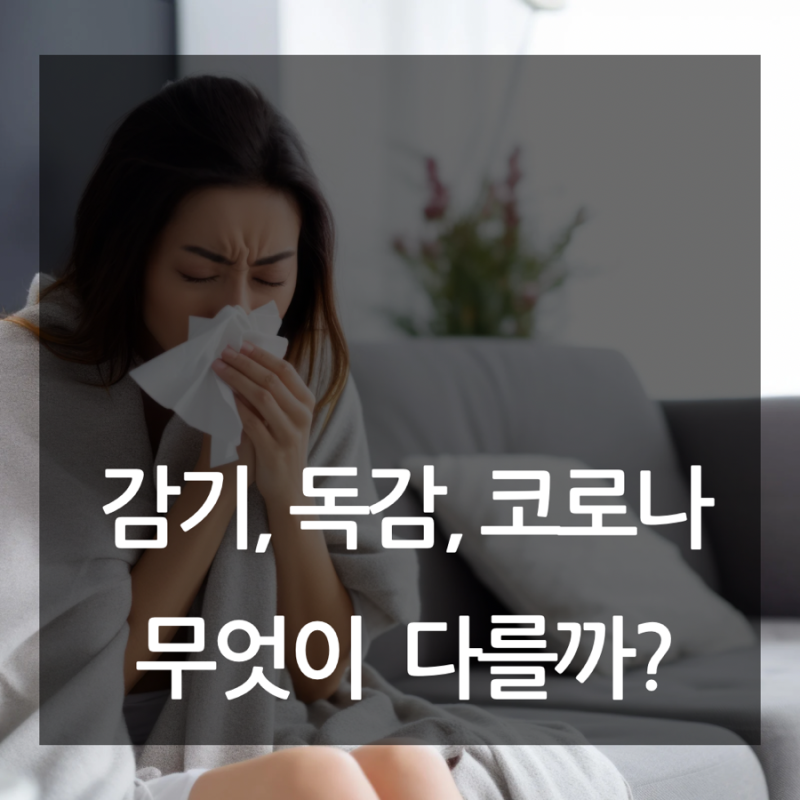
Cold, Flu, COVID-19: What’s the Difference?
Cold • Colds are generally mild, often limited to symptoms like a runny nose and cough. Even if a fever occurs, it’s usually low-grade, and recovery often happens with rest and hydration.
Flu (Influenza)
• The flu (influenza) is accompanied by high fever, chills, and muscle aches, leading to severe full-body fatigue, and takes time to recover. COVID-19 • COVID-19 infection can overlap with cold and flu symptoms, and even after recovery, sequelae such as cough, fatigue, and chest tightness may remain. Although they may appear similar, the body’s immune response and recovery speed differ for each.
Why do we catch colds easily during transitional seasons?
Our bodies have a homeostatic function to maintain a constant body temperature in response to external temperatures. However, this regulatory function can easily waver during transitional seasons with large temperature differences.
Especially those who are fatigued or lack sleep have weakened immune responses, making them easily exposed to viruses. Furthermore, indoor-outdoor temperature differences, dry air, and residual heat from air conditioners can dry out the respiratory mucous membranes, reducing their defensive capabilities. Ultimately, while it appears as a ‘cold,’ the breakdown of immune balance can be said to be the core cause.
Transitional Season Colds from a Korean Medicine Perspective
In Korean medicine, colds and the flu are not viewed solely as being caused by external viruses. It is believed that illness arises when the body’s defensive strength (Jeonggi, 正氣) weakens, allowing external cold energy (Pung-han, 風寒) or dry energy (Jo-sa, 燥邪) to invade. Therefore, the core of Korean medicine treatment does not merely stop at suppressing coughs or reducing fever.
It focuses on restoring the body’s balance and recuperative power. For example, • for those with low energy, prescriptions to boost vital energy are given; • for those with persistent coughs and phlegm, prescriptions to support lung function are used; • for those experiencing insomnia and fatigue together, herbs for nerve stabilization and immune enhancement are employed. Ultimately, the goal of treatment is to build ‘fundamental physical strength’ to allow the entire body to recover.
Post-COVID-19 Sequelae: How to Manage Them!
Even after recovering from COVID-19, many people say, “My cough has lasted for a month,” or “My body feels heavy, and I can’t concentrate well.” In such cases, Korean medicine understands this as a state where the body’s circulation is blocked and the flow of Qi (氣) is weakened.
Therefore, we combine herbal medicine (한약) to aid Qi and blood circulation, herbs to moisten the lungs, and acupuncture (침) and moxibustion (뜸) treatments to help alleviate fatigue and insomnia, thereby assisting the body’s self-recovery.
Recovery Management through Herbal Medicine, Acupuncture, Moxibustion, and Pharmacopuncture
During transitional seasons, even after cold symptoms subside, residual symptoms such as fatigue, cough, and neck stiffness often remain.
In such cases, Herbal Medicine, Acupuncture, Moxibustion, and Pharmacopuncture Combining these treatments can help improve body circulation, alleviate coughs, reduce tension, and aid in fatigue recovery. Especially, continuing immune-boosting management for a certain period even after symptoms improve can help prevent the recurrence of the same illness. •Herbal Medicine (한약): Prescribed customized according to the patient’s constitution and symptoms, it helps enhance recuperative power and restore body balance.
•Acupuncture (침) Treatment: Improves the circulation of blocked Qi and blood, and relieves tension in the neck and shoulders. •Moxibustion (뜸) Treatment: Warms Qi and blood to boost immunity and correct imbalances caused by cold or fatigue. •Pharmacopuncture (약침) Therapy: Directly injects herbal medicine (한약) ingredients into the body to act on inflamed areas and promote recovery.
If your body condition doesn’t fully return to normal after a cold, or if coughs and fatigue persist for a long time, Korean medicine management that aids the body’s fundamental recovery can be of great help. Colds, the flu, and COVID-19 in transitional seasons can affect anyone. However, if your immunity is strong, symptoms won’t easily worsen even if a virus enters your body.
The core of Korean medicine management is to “cultivate the power to prevent illness and the power to recover.” This autumn, we hope you strengthen your body’s Jeonggi (正氣) and enjoy a healthy season, unshaken by temperature changes. 👉 In the next post, we will introduce Sunyujae Korean Medicine Clinic’s ‘Antibiotic Zero Project’! We’ll share stories about essential cold remedies.
https://m.blog.naver.com/sunyujae21/224049059544 We hope you’ll join Sunyujae Korean Medicine Clinic, which shares valuable information for a healthy life. Sunyujae Korean Medicine Clinic in Suji-gu pursues evidence-based medicine and integrative medicine.
This post was written directly by the medical staff of Sunyujae Korean Medicine Clinic to provide medical information, in compliance with Article 56(2) and Article 57(3) of the Medical Service Act. The duration and outcome of treatment may vary from person to person, so please consult a qualified practitioner before beginning treatment.
Consultation & Booking
Have questions? Reach us anytime via KakaoTalk or phone.