
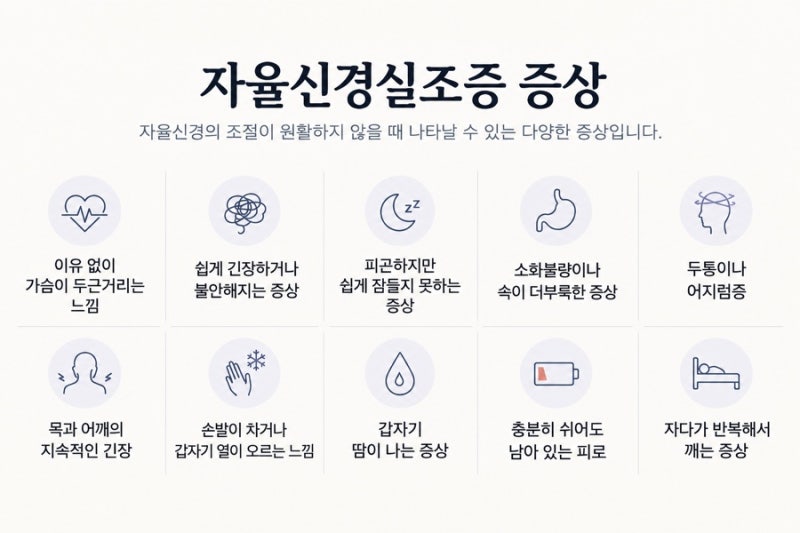
There are people who frequently experience heart palpitations, feel tense without any particular reason, or feel dizzy. Many also find it difficult to fall asleep even at night, or feel that their fatigue doesn’t go away even after sufficient rest, often dismissing it as simply being tired. However, if various symptoms such as indigestion, sudden sweating, or hot flashes in the face recur, it’s necessary to look at the underlying cause rather than just focusing on one symptom. In the clinic, we encounter more people than expected who report different discomforts like palpitations, insomnia, and indigestion appearing around the same time.
If various symptoms that are difficult to explain with a single illness recur in this way, it’s worth examining whether changes in autonomic nerve function, including autonomic dysfunction, are involved.
Autonomic dysfunction is a commonly used term when various discomforts related to the autonomic nervous system, such as palpitations, insomnia, indigestion, dizziness, and sweating, appear together. However, these symptoms alone do not confirm a single disease.
The Autonomic Nervous System is Our Body’s ‘Automatic Control System’
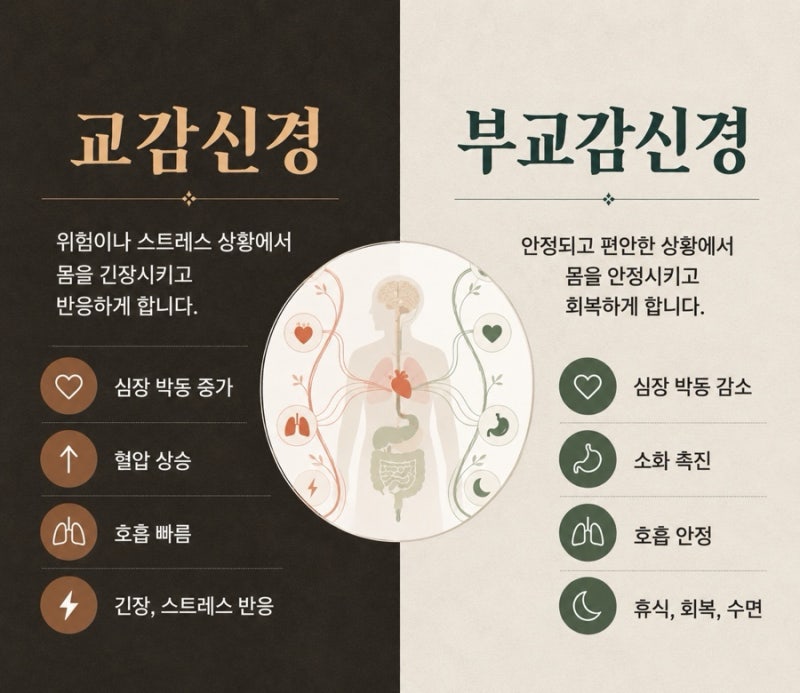
The autonomic nervous system is involved in regulating various bodily functions such as heart rate, blood pressure, respiration, digestion, body temperature, and sweating, adapting them to the situation without our conscious effort. Simply put, it’s easy to understand it as our body’s ‘automatic control system’ that helps the body respond appropriately when it needs to be active and return to a relaxed state when rest is required.
The autonomic nervous system can be broadly divided into the sympathetic nervous system and the parasympathetic nervous system. The sympathetic nervous system enables the body to respond to situations when it needs to be active or tense. A rapidly beating heart and heightened alertness before an important exam or presentation are part of this response. Conversely, the parasympathetic nervous system acts in situations requiring rest and digestion. It’s not about one side being unconditionally high or low. What’s important is the appropriate switching between them according to the situation, allowing for tension when needed and relaxation during rest.
Why Do I Feel Constantly Awake Even When My Body is Tired?
Changes in autonomic nerve function are not due to a single cause. Various factors can influence it, including chronic stress, overwork, lack of sleep, irregular lifestyle habits, as well as pain, illness, and hormonal changes. If such a state persists for a long time, one might feel tired but unable to fully relax when rest is needed.
During periods of significant hormonal changes, such as menopause, hot flashes, sweating, palpitations, and insomnia may appear in combination.
Students who need to concentrate for long hours also report similar experiences.
“My body is so tired, but my mind feels constantly awake.” Some find it difficult to fall asleep even when lying in bed due to overthinking, or experience palpitations and indigestion simultaneously. In such cases, rather than simply explaining it as ‘high sympathetic nerve activity,’ it’s more helpful for understanding the actual body condition to observe when tension becomes severe, what differences exist between days with good sleep and bad sleep, and how digestion and fatigue change together.
What is the Relationship Between the Vagus Nerve and Digestion?
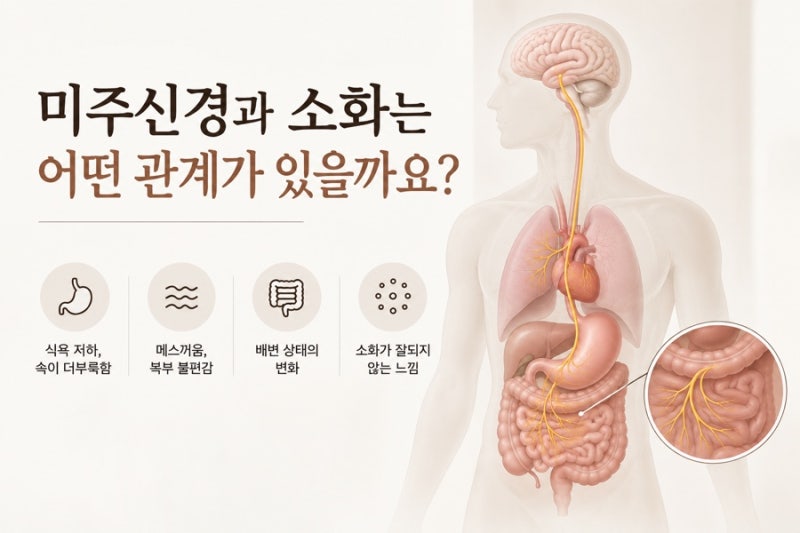
The vagus nerve is a major parasympathetic nerve that originates in the brain and extends to various organs, including the heart, lungs, and digestive system. The autonomic nervous system is also involved in regulating digestive functions, including the motility and secretion of the stomach and intestines. This is why when stress is severe or tension persists for a long time, people may experience unusual digestive symptoms such as loss of appetite, bloating, nausea, abdominal discomfort, or changes in bowel habits. Sunyujae Korean Medicine Clinic does not view digestive symptoms in isolation in such cases. We examine sleep and tension levels, eating habits, fatigue, and overall condition, and if necessary, also check posture and muscle tension around the neck and back.
However, it cannot be definitively concluded that changes in posture or thoracic spine alignment directly cause digestive problems. If digestive symptoms persist or are severe, the possibility of other gastrointestinal diseases should also be checked.
What Do We Observe in HRV and EEG Tests?
HRV is an indicator that indirectly examines the regulatory state of the autonomic nervous system by analyzing subtle time variations between heartbeats. HRV (Heart Rate Variability) is not simply a test that measures how fast the heart beats. It analyzes the time variations between one heartbeat and the next, which can be referenced when evaluating autonomic nerve function. However, HRV can be influenced by various factors such as age, respiration, sleep, exercise, medications being taken, and the measurement environment. Therefore, it is interpreted by considering symptoms and lifestyle rather than just looking at a single numerical value. If necessary, an electroencephalogram (EEG) may be performed to refer to information about the brain’s electrical activity.
However, an EEG is also not a standalone diagnostic test for autonomic dysfunction. This is because symptoms such as palpitations, dizziness, indigestion, and insomnia can also arise from other causes. Along with the test results, we also consider when the symptoms began, the quality of sleep, whether there was a period of increased stress, and how lifestyle patterns have changed.
What Do We Consider When Checking Current Symptoms?
Even with similar autonomic nervous system-related discomforts, the most challenging symptoms vary from person to person. Some find palpitations and insomnia most difficult, while others primarily report indigestion and persistent fatigue. In some cases, hot flashes, sweating, anxiety, and sleep disturbances appear with menopause, while in others, such as students, a state of tension and alertness persists for a long time. At Sunyujae Korean Medicine Clinic, we do not determine treatment methods based on a single symptom or a single test result. We examine whether it’s difficult to fall asleep, if one wakes up frequently, or if fatigue remains even after sufficient sleep. We listen to when palpitations worsen and if a feeling of tension persists even during rest.
We also observe if appetite and digestive status change according to lifestyle patterns, and if other discomforts like sweating, hot flashes, or dizziness appear together.
We check tension/alertness, sleep, digestion, fatigue, lifestyle habits, and overall condition. Even when using the same term ‘autonomic dysfunction,’ the most challenging symptoms and the situations in which they appear can differ from person to person.
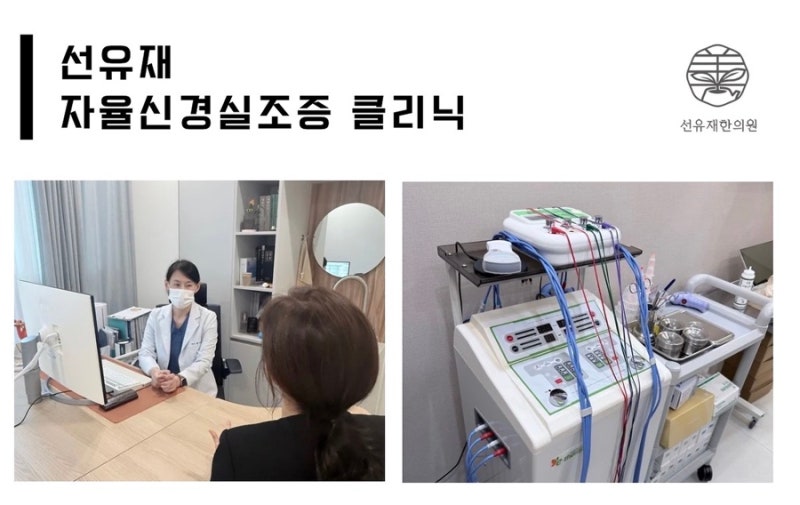
What do we check?
How is Autonomic Dysfunction Treated?
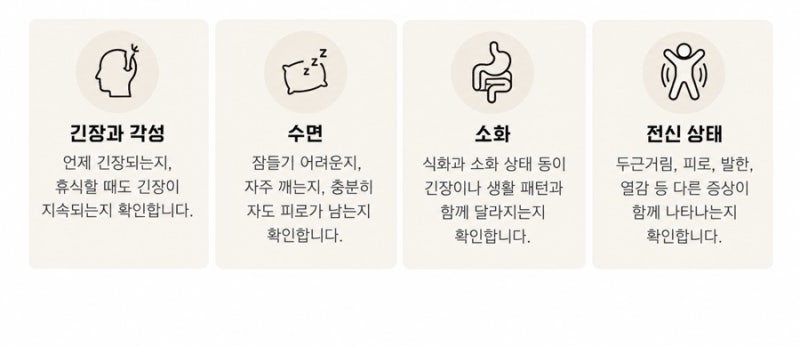
After identifying the most uncomfortable symptoms and lifestyle patterns through examination, we determine the treatment method. At Sunyujae Korean Medicine Clinic, we utilize herbal medicine treatment, electroacupuncture, auricular acupuncture, and aromatherapy, considering sleep and digestive status, tension levels, physical strength, and lifestyle habits. Rather than deciding on a specific treatment from the outset, we determine the treatment direction by observing which symptoms are most bothersome and in what situations different symptoms appear together. We do not use the same herbal medicine for everyone. Herbal medicine treatment does not approach treatment by uniformly applying a single ‘herbal medicine good for the autonomic nervous system’ to all individuals.
Along with Korean medicine examinations such as pulse diagnosis and tongue diagnosis, we check physical strength, symptoms, sleep and digestive status, lifestyle habits, and current medications. For example, even if someone reports insomnia, we prescribe individually based on whether palpitations and hot flashes are present, or if indigestion and fatigue are more prominent. For electroacupuncture, we adjust the stimulation according to the patient’s condition. Electroacupuncture is a treatment that delivers a constant, subtle electrical stimulation to needles after they have been inserted. The intensity and frequency of stimulation can be adjusted, and it is applied considering the treatment area and the patient’s perceived level of stimulation. Research on the relationship between acupuncture and the autonomic nervous system is also being conducted using Heart Rate Variability (HRV).
In a systematic review and meta-analysis published in 2023, changes related to parasympathetic activity were observed in some HRV indicators after acupuncture treatment. However, changes in HRV indicators do not immediately imply an improvement in all autonomic nervous system-related symptoms such as insomnia or palpitations.
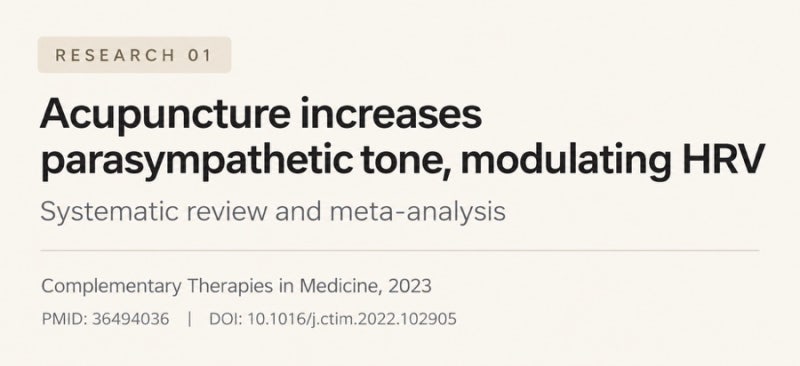
RESEARCH 01 Acupuncture increases parasympathetic tone, modulating HRV – Systematic review and meta-analysis Complementary Therapies in Medicine, 2023 PMID: 36494036 DOI: 10.1016/j.ctim.2022.102905 Auricular acupuncture utilizes small stimulation points on the ear. Auricular acupuncture is a method of stimulating specific areas of the ear. Various nerves are distributed in the ear, and auricular acupuncture may be applied along with other treatments when there are issues such as tension or sleep problems. There are also studies that have examined the relationship between auricular acupuncture and sleep.
In a systematic review published in 2008, positive results related to sleep were reported in some studies. However, due to limitations in the quality and methodology of the included studies, the results need to be interpreted cautiously. Therefore, rather than concluding that auricular acupuncture alone can treat insomnia or autonomic nervous system problems, it is considered one of the available treatment methods.
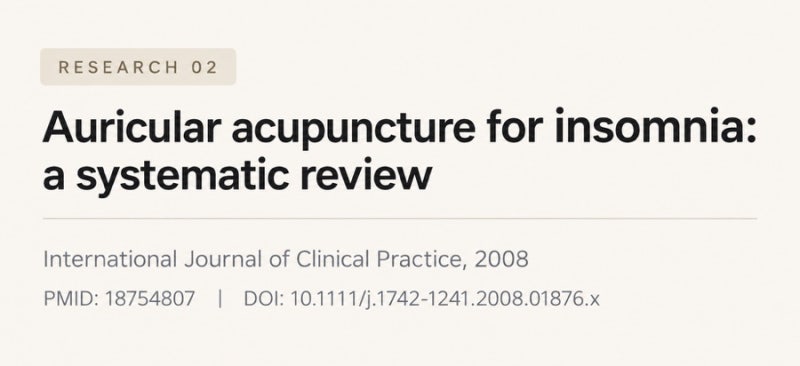
RESEARCH 02 Auricular acupuncture for insomnia: a systematic review International Journal of Clinical Practice, 2008 PMID: 18754807 DOI: 10.1111/j.1742-1241.2008.01876.x
How Are Aromatherapy Scents Transmitted to the Brain?
At Sunyujae Korean Medicine Clinic, we use aromatherapy as an auxiliary method, considering the patient’s tension level and condition.
Smell is a sense related to the olfactory nerve, which is the first cranial nerve. Odor information detected in the nose is transmitted via the olfactory nerve to the olfactory bulb, and then follows the olfactory pathway to various areas of the brain. The olfactory system is closely connected to brain regions involved in emotion and memory, which is why people sometimes experience past memories resurfacing or changes in mood when smelling a particular scent. However, aromatherapy itself does not mean it treats autonomic dysfunction. It is used as an auxiliary method alongside treatments such as herbal medicine, electroacupuncture, and auricular acupuncture to aid relaxation and create a comfortable treatment environment.
Sunyujae Autonomic Nervous System Clinic

Discomforts related to the autonomic nervous system can manifest in various ways, such as insomnia, palpitations, indigestion, dizziness, sweating, and fatigue. There are cases where it’s difficult to explain by simply addressing palpitations separately or managing sleep problems in isolation when one can’t sleep. If multiple discomforts recur, take a moment to consider when these symptoms began together, what differences exist between days with good sleep and bad sleep, and if your digestive state changes with stress or meals. At Sunyujae Korean Medicine Clinic, we listen carefully to the patient’s story, assess their physical condition based on necessary examinations and diagnoses, and then determine the treatment direction, considering herbal medicine, electroacupuncture, auricular acupuncture, and aromatherapy. Sunyujae Korean Medicine Clinic, where good intentions reside.

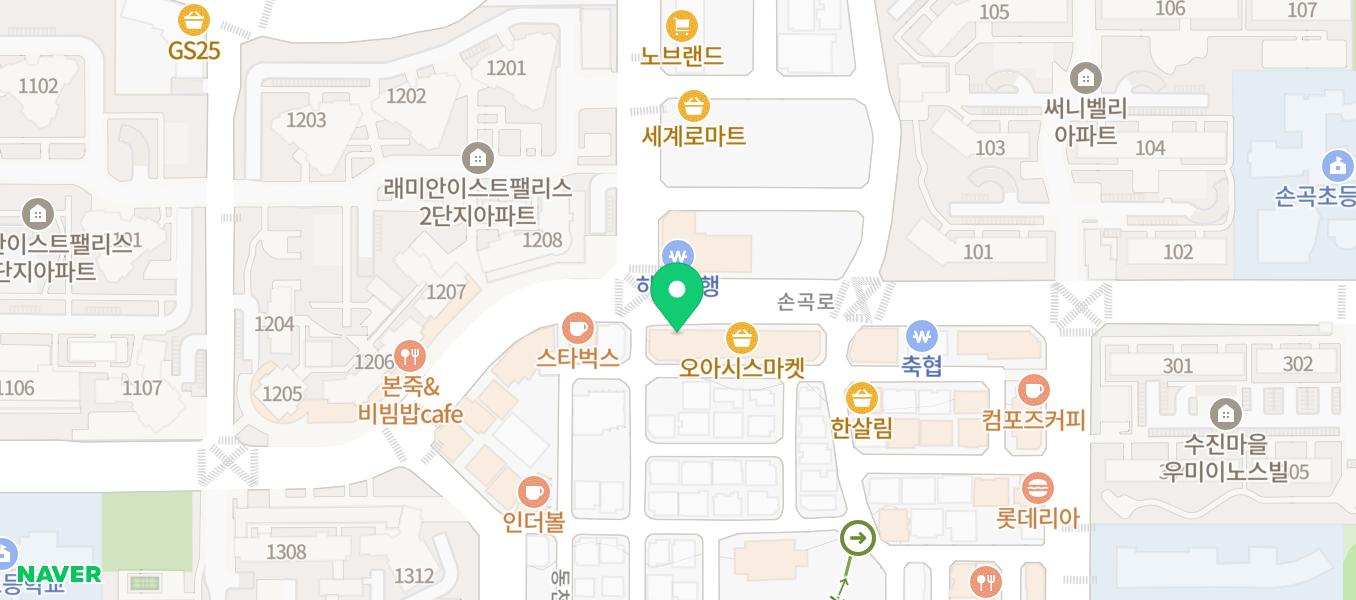
Sunyujae Korean Medicine Clinic in Suji-gu pursues evidence-based medicine and integrative medicine.
.
This post was written directly by the medical staff of Sunyujae Korean Medicine Clinic to provide medical information, in compliance with Article 56(2) and Article 57(3) of the Medical Service Act. The duration and outcome of treatment may vary from person to person, so please consult a qualified practitioner before beginning treatment.
Consultation & Booking
Have questions? Reach us anytime via KakaoTalk or phone.